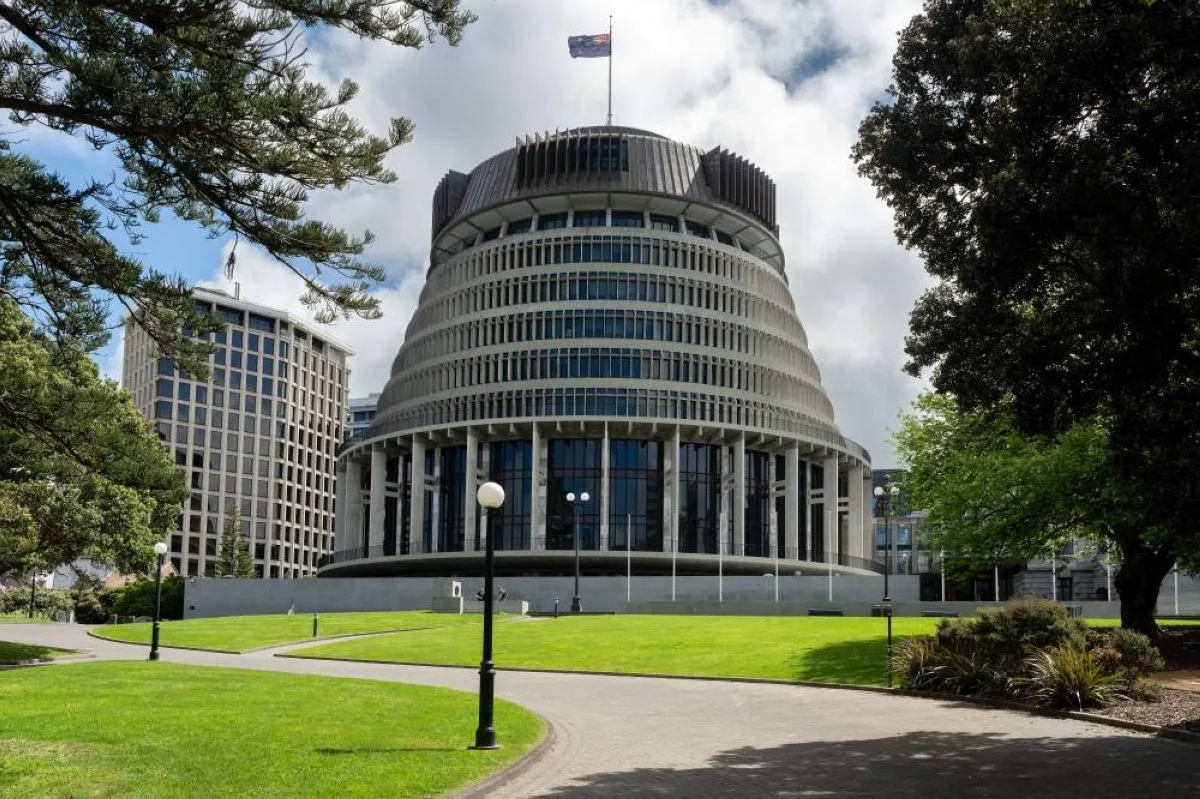
New Zealand is facing the prospect of weeks of political wrangling after a close election with no clear winner. This election, which saw an unprecedented rise for smaller parties, did not identify any specific candidate as the winner.
Initial Election Results
Initial results indicate that the National Party, led by Christopher Luxon, has secured the most seats and, along with its coalition partners including NZ First and ACT, has achieved a very slim majority of two seats. Luxon emphasized in discussions with reporters: "New Zealanders have given us the largest seats, and we have a way to form a government."
Read more: Fatal accident in Pakistan claims 11 lives
Challenges Ahead
With the conclusion of the initial vote count, the National Party has secured 42 seats and the Labour Party has 36 seats. The Green Party is in third place with 16 seats, while ACT has 13 seats and NZ First has 12 seats. Additionally, the Opportunity Party, with 7 seats, may play a key role in coalition formation.
Labour Party leader Chris Hipkins faces a very limited path to power. He jokingly remarked: "Although the country has expressed its opinion, it may take some time to fully understand what you mean."
Luxon will lead a caretaker government until the final results are announced on November 27. The final count will include nearly 400,000 special votes, including about 100,000 votes from overseas or individuals who do not vote in their electorates. Special votes typically lean towards left-wing parties and may give the Labour Party or Greens one or two additional seats.
Luxon stated that it is "unlikely" he will need the Opportunity Party, but he is prepared to work with its leader, Kiola Wong, on issues they agree upon. He also referred to New Zealand's economic challenges due to the war in the Middle East and the global fuel price shock, which are widely attributed to New Zealand's economic problems.
Many New Zealanders are facing high prices for essential goods and unemployment rates at their highest in over a decade. In Wellington, voters emphasized the importance of the high cost of living, with one stating: "Everything has gone up, and this is the biggest problem right now."
Read more: The United States government appoints Stephen Miller as the new White House Chief of Staff · The U.S. government under pressure to end the war with Iran after Republicans' defeat in midterm elections