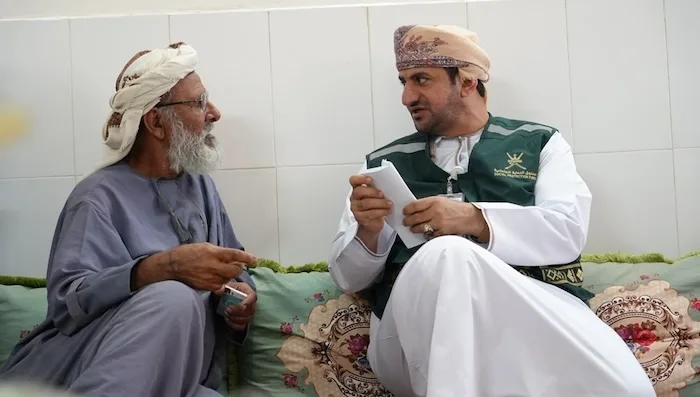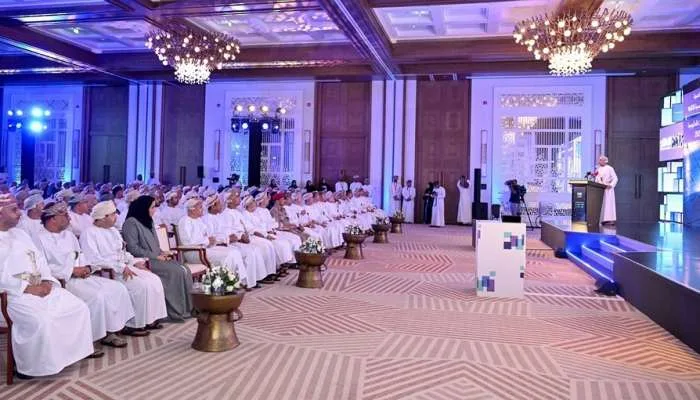
The Ministry of Transport, Communications and Information Technology of Oman today (day) launched the second phase of the National Digital Economy Program for the period 2026 to 2030.
Objectives of the National Digital Economy Program
This program aims to increase the share of the digital economy in the Gross Domestic Product (GDP) to 1.5 billion Omani Rials and also targets attracting technology investments worth 300 million Omani Rials. In addition, the program intends to create 3,000 direct jobs annually through initiatives related to the digital economy.
Read more: The International Monetary Fund predicts a decline in economic output in the Middle East
Inauguration Ceremony and Digital Achievements
The ceremony was attended by Sultan Salem Al Habsi, Minister of Finance, who announced that the share of the digital economy in GDP has reached 9 percent. This figure is based on the results of a survey conducted this year by the National Center for Statistics and Information in cooperation with the Ministry of Transport, Communications and Information Technology.
The second phase of the program focuses on the digitalization of strategic economic sectors, enhancing the adoption of digital solutions, e-commerce, and electronic payment systems. Additionally, the program encourages small and medium-sized enterprises to undergo digital transformation and expand the use of artificial intelligence applications that contribute to increased efficiency and innovation.
Dr. Ali Amer Al Shidianni, Deputy Minister of Transport, Communications and Information Technology, emphasized in his speech that this program places great importance on training a local digital workforce and increasing the presence of Omanis in technology activities and jobs. He also mentioned the increase in the Omanization rate in technology activities from 33 percent in 2022 to 46 percent in 2026.
This program also includes initiatives in its early stages aimed at developing future specialized skills. Among these initiatives is the training of over 170 specialists in semiconductors and 800 specialists in artificial intelligence.
In the field of digital innovation and national industries, the ministry has achieved several qualitative accomplishments, including the development of a specialized regional hub for startups in artificial intelligence and the establishment of an artificial intelligence studio. The program has also strengthened the participation of small and medium-sized enterprises in implementing government technology projects.
In conclusion, Al Shidianni referred to the growth of investments in the space sector, stating that private investments in this sector have increased by 270 percent. This program seeks to transform Oman into a regional hub for technology and innovation.
Read more: Ongoing economic challenges in Bethlehem, United States · The United Arab Emirates and Britain signed agreements in the fields of space and artificial intelligence