The Persian Gulf Railway project is being developed as an important initiative to maintain security and facilitate transportation in the region. Arab countries bordering the Persian Gulf are seeking to create an "infrastructure insurance" to guarantee the continuity of the supply chain as traffic through the Strait of Hormuz faces unprecedented challenges.
Need for a Rail Network
The idea of creating a unified rail network connecting the six countries participating in this project was proposed over two decades ago. However, this project is now considered a necessary and strategic requirement in the face of security instabilities and high risks of disruption in maritime routes and ports. Reports indicate that security instabilities have made the establishment of a stable land route a priority for the Arab countries bordering the Persian Gulf.
Read more: Protests in Bahrain condemning the detention of Shia scholars
Project Progress Status
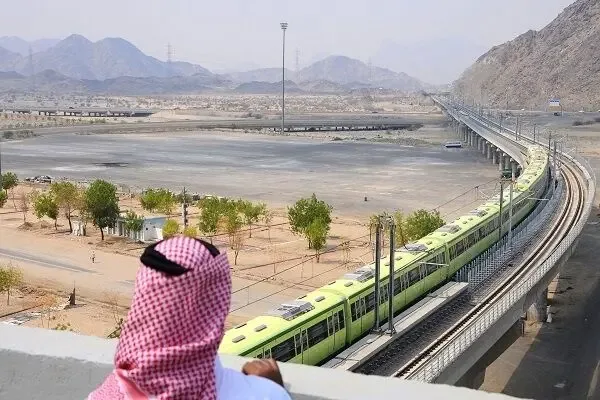
The Persian Gulf Railway project is underway with the goal of connecting Kuwait to Saudi Arabia, Bahrain, Qatar, the UAE, and Oman through a 2,100-kilometer route. This project is being pursued seriously as a solution to create economic resilience against potential crises. So far, the project has reached 50% physical progress, but the implementation status varies across different countries.
The United Arab Emirates is recognized as a leader with its "Union Rail" project, and its 900-kilometer network connecting seven emirates has been operational in the freight sector since 2023. Additionally, Saudi Arabia, with the largest rail network in the region, is designing and procuring equipment to connect to Kuwait and the UAE. Meanwhile, Bahrain faces structural challenges that require connection to Dammam, Saudi Arabia.
The challenges ahead for this project go beyond securing financial and technological resources. Political coordination and establishing a unified management among six national rail systems will be the biggest challenge. Furthermore, differences in technical standards and security threats are also considered other obstacles.
Moreover, connecting the rail network to global markets holds particular importance. This project could provide access routes to European markets by connecting to Jordan and Turkey. Additionally, ports like Fujairah and Sohar will be connected to this network, facilitating access to the Arabian Sea and the Indian Ocean for the countries in the region.
Ultimately, although the railway cannot completely replace ports and energy pipelines, this project is becoming a vital layer for the national and economic security of Arab countries. A layer that, influenced by recent security crises, has shifted from an economic plan to an urgent priority.
Read more: Saudi Foreign Minister traveled to Washington for negotiations · Impact of war on holding sporting events in the Persian Gulf