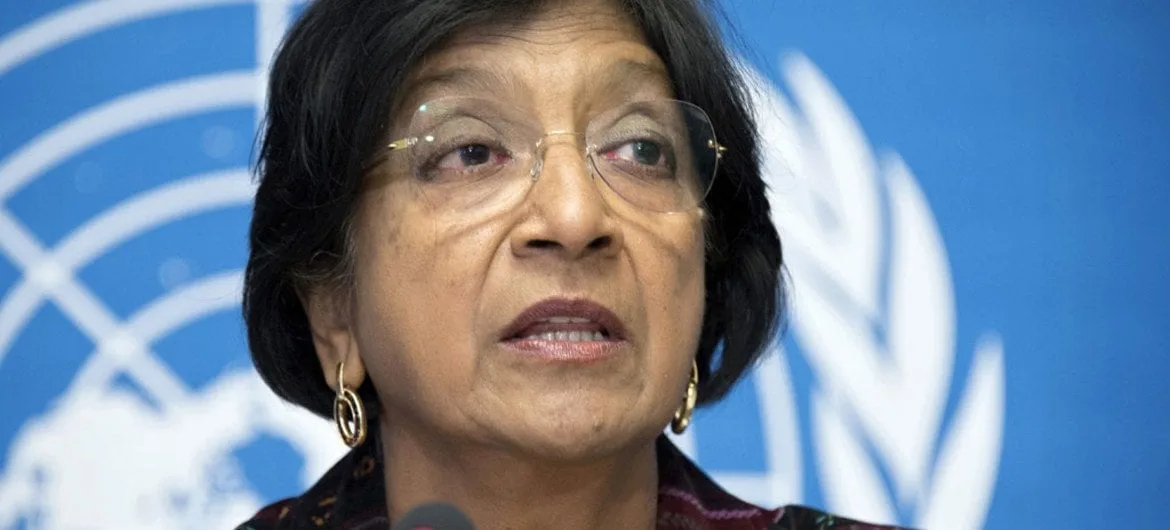
Protection of international rights is one of the key issues in today's world that requires special attention given the complex and diverse challenges faced by various societies. History has shown how individuals like Elias Lutuli and Nelsa Pillay have played a role as symbols of justice and human rights in defending international rights.
Historical Experiences and Their Consequences
Elias Lutuli, a Nobel Peace Prize laureate, is recognized as a pioneer in the fight for human rights and social justice. Through his efforts to end apartheid in South Africa, he provided a model for human rights activists globally. Lutuli clearly understood the importance of international rights in creating peace and stability in various societies and conveyed this message to future generations.
In recent decades, Nelsa Pillay has also been recognized as a prominent figure in the field of human rights and international law. As one of the most important lawyers and advocates for human rights in South Africa, she has played a significant role in creating positive changes in society. Pillay, as a Muslim woman and human rights activist, has been able to give voice to those who suffer in silence due to discrimination and social inequalities.
Current Challenges and the Necessity of Defending International Rights
Today, in light of global challenges including migration, wars, and armed conflicts, the importance of international rights is felt more than ever. These challenges highlight the need for a global collaborative approach to defend human rights and social justice. International communities must pay attention to the fact that the violation of human rights can lead to instability and insecurity.
Defending international rights is not only beneficial for nations but for all humanity. This defense should include joint efforts to create strong legal institutions and international cooperation. Additionally, paying attention to the experiences of historical figures like Lutuli and Pillay can provide a better understanding of the importance of this issue and serve as motivation for future generations.
Ultimately, creating a sustainable future requires global cooperation and solidarity in defending human rights and international laws. This necessitates continuous and strong efforts from all countries and international institutions to ensure that the principles of human rights and justice are always prioritized.