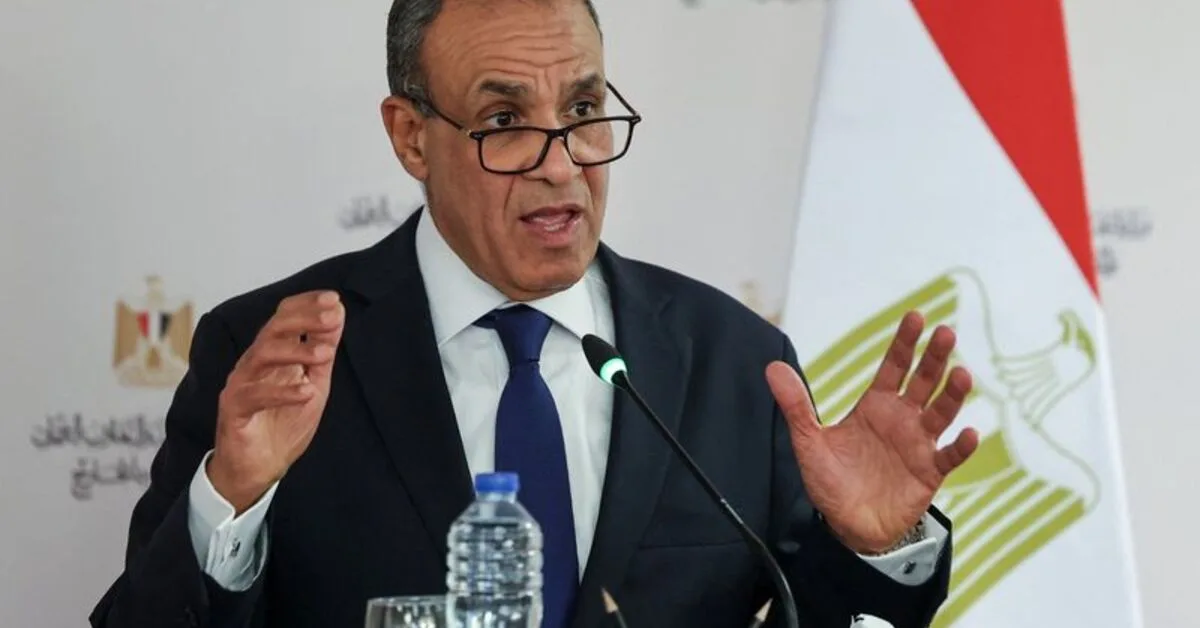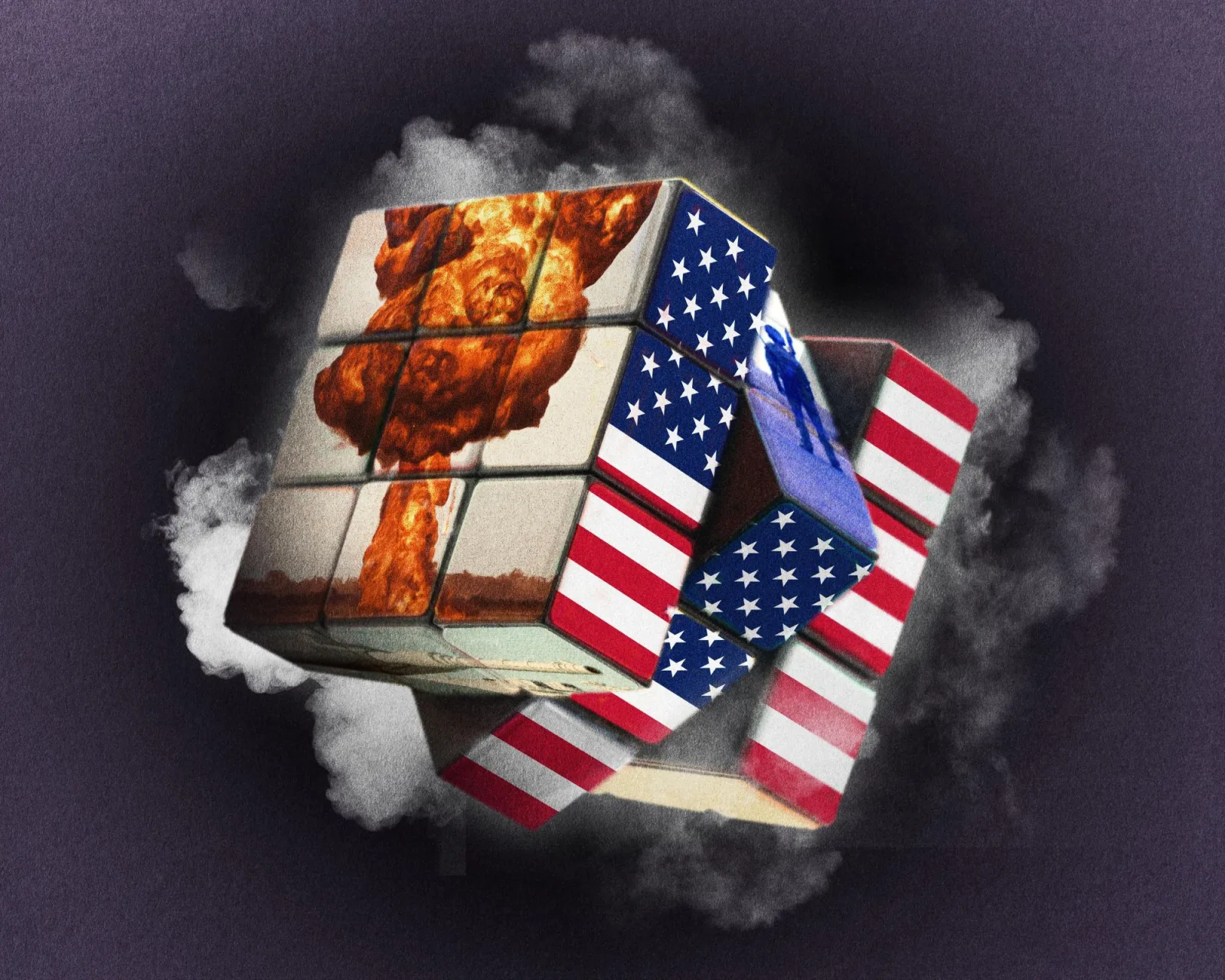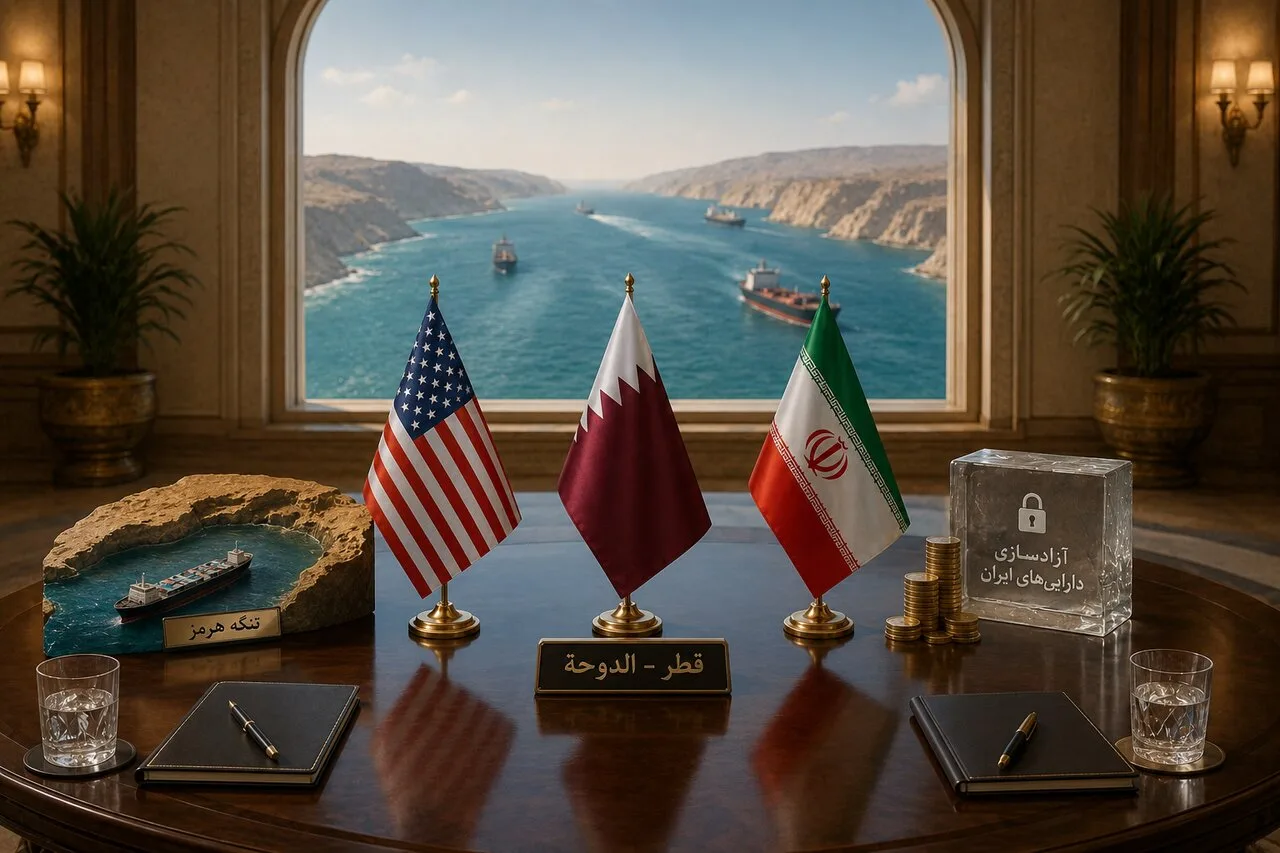
Qatari mediators held talks in Tehran for over 12 hours on Friday with Iranian officials to pave the way for a return to direct negotiations between Iran and the USA. These efforts come at a time when tensions between Tehran and Washington have reached a critical point, and the possibility of military action by the USA has been raised following the midterm elections.
Efforts to Open the Path for Agreement
In these negotiations, Qatari mediators attempted to prevent the rekindling of war by bringing the views of Iran and the USA closer together. According to diplomatic sources, these talks have been accompanied by continuous communications between Qatari mediators and the White House, and progress has been made. The main goal of these discussions is to open the path for an agreement between the two countries.
On Saturday, the American delegation will join the negotiations in Doha. Qatar is trying to convince Tehran and Washington to accept a series of reciprocal measures that are set to be implemented in the coming days. These measures could pave the way for both sides to return to direct negotiations regarding Iran's nuclear program and other contentious issues.
Points of Disagreement and Challenges Ahead
However, disagreements over the preconditions for returning to negotiations remain one of the main obstacles to reaching an agreement. The Trump administration believes that Iran must make concessions regarding its nuclear program before returning to negotiations. In contrast, Iran insists that the USA must first lift the maritime blockade and release its frozen assets.
In this context, Qatari mediators are trying to persuade Iran to accept visits by UN inspectors to the bombed nuclear facilities. This proposal is aimed at building trust between the parties, and in return, the USA is expected to reduce some of its sanctions on Iran.
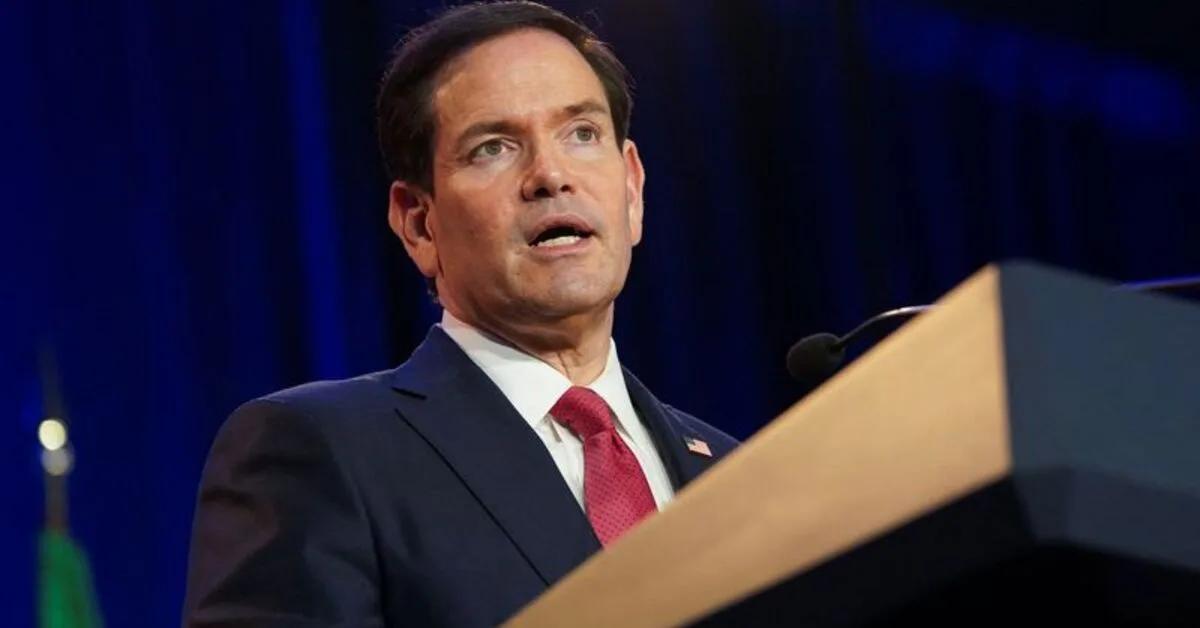
Disagreements among Trump's close circle also add complexity to the situation. Some officials, like Pete Hegseth and Marco Rubio, believe that no agreement can be reached with Iran's current political structure and argue that pressure on Iran should be increased through military actions.
On the other hand, J.D. Vance and Jared Kushner are calling for the resumption of negotiations, but even Trump has doubts about an agreement that he considers acceptable.
Meanwhile, the leaders of Saudi Arabia and Turkey have also urged Trump to give negotiations more time and avoid hasty decisions.
Ultimately, given the diplomatic movements and concerns about escalating tensions, it seems that these negotiations could serve as an opportunity to prevent military conflict. Especially since the failure of diplomatic efforts could push the region towards broader military confrontation.