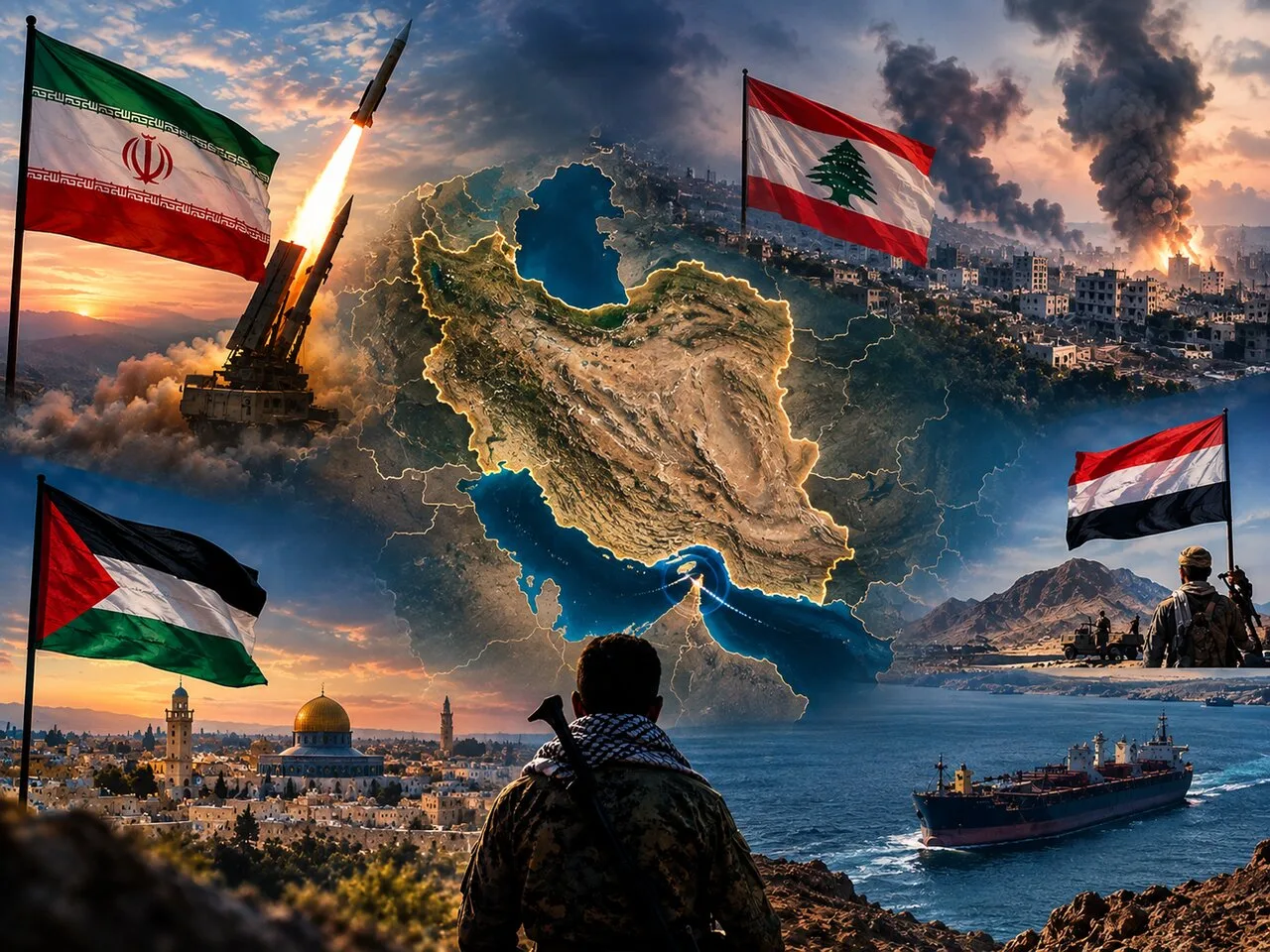
Masoud Pezeshkian, the President, emphasized in a speech about the current conditions of the country in the wake of war and economic pressures that overcoming problems is not possible solely with military tools, and officials must strive to solve the people's issues.
The Role of Basij and the Necessity of Service
Pezeshkian, referring to the role of Basij during the war, stressed the necessity of providing services, addressing livelihood issues, and maintaining public support.
Read more: Analysis of the Recent Incident in the Persian Gulf and Its Impact on the Sultanate of Oman
Mohsen Rezaei, representative of the Supreme Leader and Secretary of the Supreme National Security Council, referred to the developments in the Strait of Hormuz in a message, claiming that the U.S. has faced failure in opening this waterway and is now resorting to illegal fuel transfers. He also added that the U.S. war against Iran is the result of Washington's miscalculations and its influence by Benjamin Netanyahu.
Security Situation in the Strait of Hormuz and Tensions in Yemen
Ismail Baqaei, spokesperson for the Ministry of Foreign Affairs, stated in his weekly press conference: "The security situation in the Strait of Hormuz should be assessed in the context of military actions by the U.S. and the Zionist regime." According to him, as long as Washington continues the war, security will not return to this waterway.
Baqaei also commented on the tensions between Saudi Arabia and Yemen, saying: "Continuing the military approach could complicate the situation further, and resolving the crisis should be pursued through dialogue and interaction." He announced Tehran's readiness to facilitate dialogue between Riyadh and Sanaa.
Hassan Qashqavi, spokesperson for the National Security and Foreign Policy Commission of the Parliament, noted that the U.S. response to Iran's conditions remains unclear, and Washington's contradictory positions have made assessing the status of negotiations difficult.
Qashqavi stated that Iran considers the implementation of the seven announced conditions essential for reopening the Strait of Hormuz, emphasizing that the country's defensive deterrence has grown in offensive and defensive domains, and the end of the war depends on establishing effective deterrence.
Military and Security Developments in the Region
Major General Seyyed Yahya Safavi, assistant and senior advisor to the Commander-in-Chief, pointed out the strategic position of the Strait of Hormuz, stating: "Managing this waterway against what has been described as a U.S. maritime blockade against Iran is one of the main axes of the country's strategy."
The public relations of the Navy of the Revolutionary Guard announced that on the morning of the 20th of Mehr, the third supertanker in the past two days was hit in the Strait of Hormuz and caught fire. According to the Guard's announcement, this ship had turned off its navigation system and did not heed the warnings of the Navy.
Brigadier General Abolfazl Shekarchi, senior spokesperson for the armed forces, stated in a message: "U.S. actions in the region and the media propaganda of this country do not change the realities on the ground." He noted that Washington has resorted to actions such as fuel smuggling to escape its difficult situation in West Asia.
Brigadier General Mohammad Reza Fallahzadeh, deputy of the Quds Force of the Revolutionary Guard, during the "Jan-Fadayans" exercise, referred to regional developments, saying: "Hezbollah Lebanon and resistance groups have been able to inflict significant blows on the forces and military equipment of the Zionist regime."
Abbas Araghchi, Iran's Foreign Minister, discussed regional developments in a phone call with Faisal bin Farhan, the Foreign Minister of Saudi Arabia, and announced Iran's readiness to help initiate dialogue between Saudi Arabia and Yemen and facilitate reaching a political solution.
Donald Trump, the President of the United States, also claimed that Washington is facing difficulties in identifying a negotiating party in Iran and asserted that Iran has lost its leader and senior officials.
Read more: Phone Conversation Between the Foreign Ministers of Iran and Oman