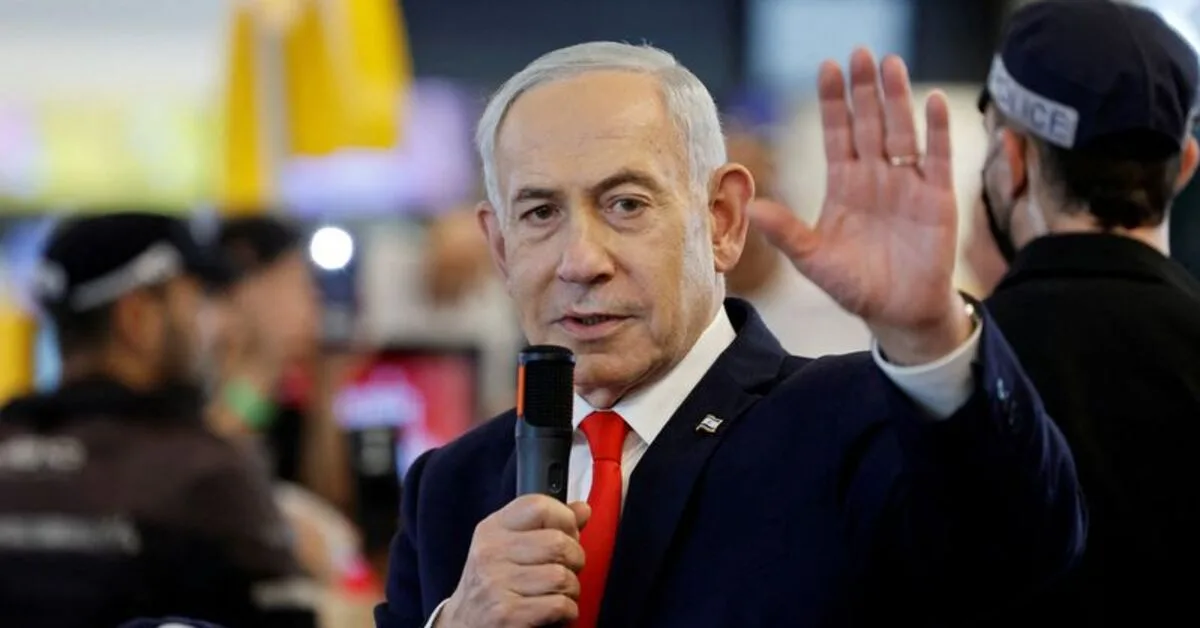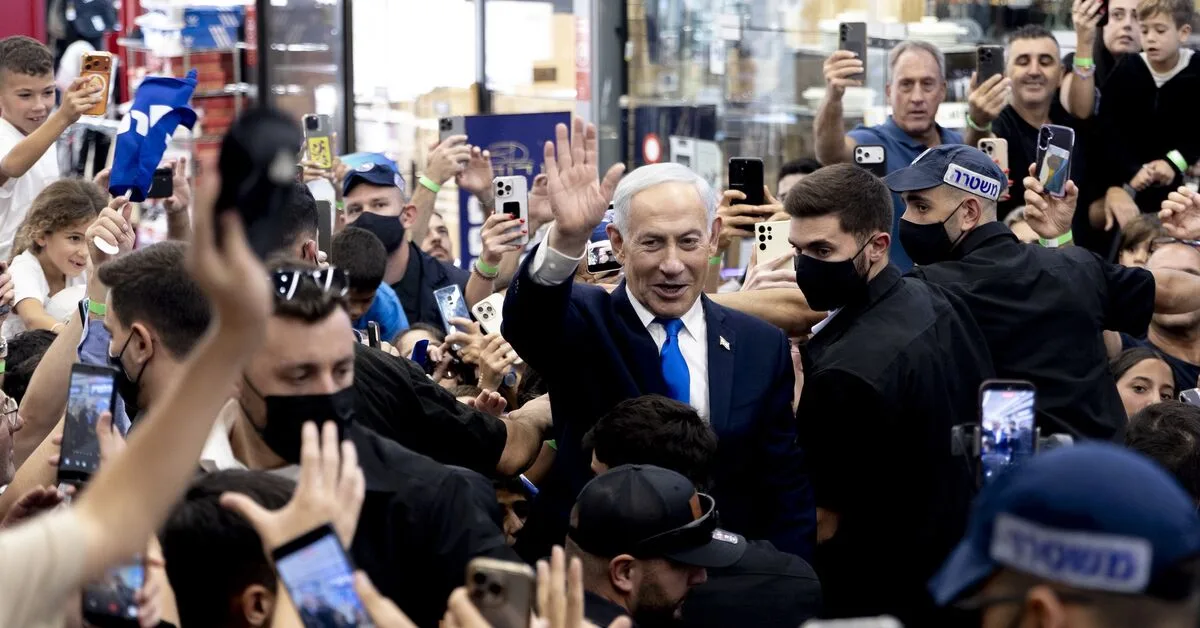
Tensions in Israel have significantly increased, especially with the upcoming elections in the country. Benjamin Netanyahu, the Prime Minister of Israel, seems to have failed in his recent attempts to revive hostilities with Iran, and this issue could have profound consequences for his political future.
International Opposition to Military Actions
Netanyahu is now facing opposition from Donald Trump, the President of the United States. The unexpected visit of Pete Hegseth, the U.S. Secretary of Defense, to Israel on Monday indicates Washington's concerns about the potential escalation of tensions in the Middle East. Reports suggest that the two sides discussed the Iran issue, which is at the center of attention.
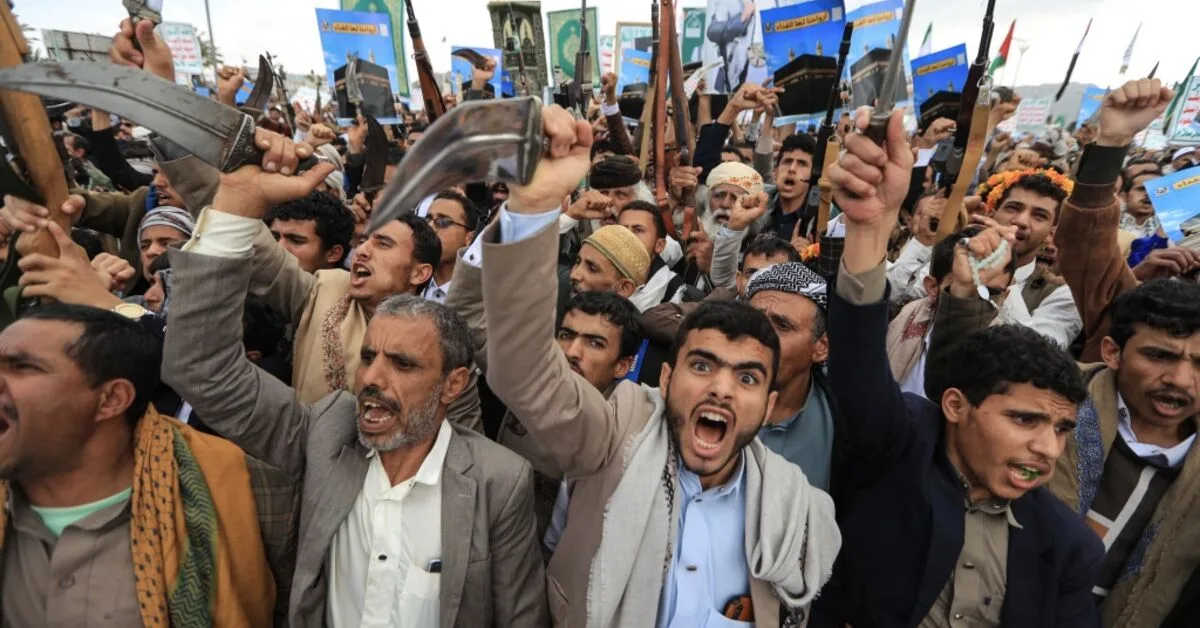
Read more: Yemen and the Rise of the Houthis as a Regional Power
According to some Israeli officials, Netanyahu had planned to attack Iran earlier this month, but Trump opposed this action due to concerns about the repercussions of such a move on the eve of the November 3 midterm elections.
Military and Political Consequences of an Attack on Iran
General Eyal Zamir, the Chief of Staff of the Israel Defense Forces, has also publicly expressed concern about the consequences of an attack on Iran at this sensitive political juncture. He has had several discussions with his American counterparts in early October and provided explanations about the potential implications of a new conflict for the upcoming elections in Israel. These concerns may be a reason for the Israeli military's reluctance to escalate hostilities.
Ultimately, as election day approaches, any developments in Netanyahu's policies and military approach towards Iran could have profound and far-reaching effects on Israel's political and security future. This situation reflects the complex challenges that Israel faces both domestically and internationally.
Read more: Escalating Tensions Between Egypt and Ethiopia: A Challenge for China · Kuwait Emphasizes the Importance of International Justice and Condemnation of Iran's Aggressions