The Salalah meeting in Oman is taking place at a time when the Strait of Hormuz has been effectively blocked for more than six months, and the price of Brent oil has reached $105 per barrel. This meeting is hosted by Muscat and, if held, will be regarded as the first official and direct gathering of the foreign ministers of the six member countries of the Gulf Cooperation Council with the foreign minister of Iran since the onset of military conflicts in the region.
Importance of the Salalah Meeting and the Crisis in the Strait of Hormuz
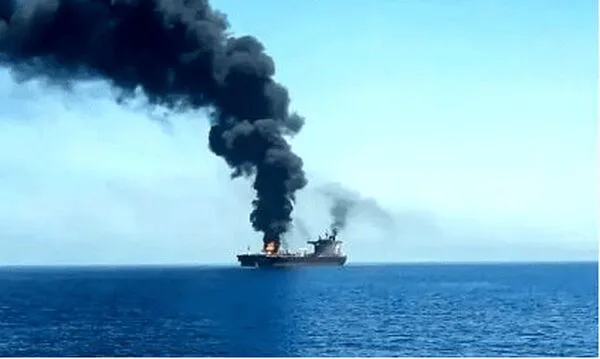
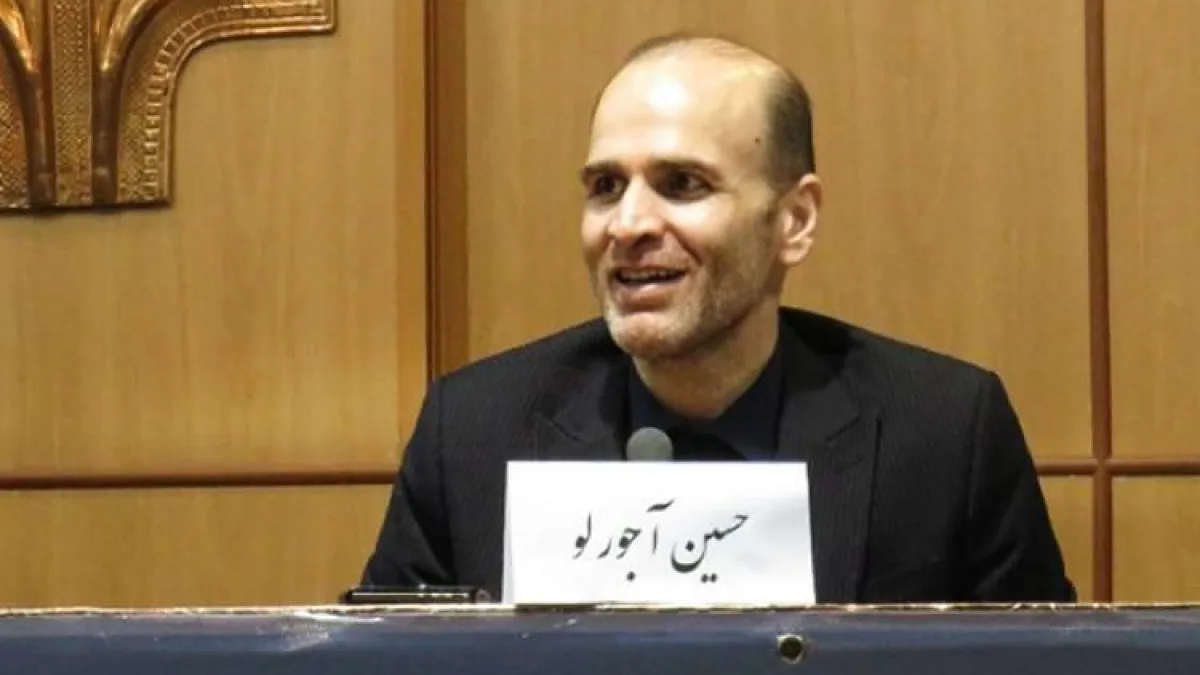
Hussein Ajorlou, a faculty member at Allameh Askari International University and an international security analyst, stated that the aim of this meeting is to garner support from regional countries for a temporary agreement to manage the passage of ships in the Strait of Hormuz. The Strait of Hormuz, as the most important waterway for the transit of oil, natural gas, and some essential goods in the world, has been effectively blocked following the initiation of military attacks by the U.S. and Israel on Iran. Washington has attempted to establish free passage for ships by imposing a naval blockade and pressuring Tehran, while Iranian officials emphasize that they will maintain sovereignty and control over this strait.
Read more: Iran and Oman Agreement on Safe Maritime Routes
In June, hopes were revived with the signing of a memorandum of understanding between Iran and the U.S.; a memorandum that was supposed to extend the ceasefire for 60 days and initiate the gradual reopening of the Strait of Hormuz. However, this memorandum did not last, and disputes returned to the manner of ship passage through the Strait of Hormuz. These disputes triggered a cycle of increasing retaliatory attacks between the two sides that continues to this day.
Temporary Agreement and Diplomatic Considerations
Tehran and Muscat have recently announced that they are finalizing a temporary agreement under which ships would enter the Strait of Hormuz through Iranian waters and primarily exit this waterway via Omani waters. However, it seems that such an agreement alone is insufficient for the complete reopening of the strait, and ultimately Iran and the U.S. must reach an understanding on an agreement. This reality further underscores the importance of the Salalah meeting, which could pave the way for aligning regional countries with the temporary agreement between Iran and Oman and collective pressure on Washington to retreat from its hostile approach.
The member countries of the Gulf Cooperation Council, including Saudi Arabia, the United Arab Emirates, Qatar, Kuwait, Bahrain, and Oman, have adopted a dual stance regarding the Hormuz crisis. On one hand, these countries, as hosts and part of the U.S. military logistics supply chain during the war, have been targeted by Iranian missile and drone attacks and therefore have serious security concerns. On the other hand, these countries are heavily dependent on the reopening of the Strait of Hormuz, as their energy exports pass through this route.
Fundamental disputes between Iran and the Gulf countries, including the collection of maritime service fees, are raised as a legal-strategic issue. Iran's position is based on citing the sovereign rights of coastal states in the United Nations Convention on the Law of the Sea, while the Gulf countries are concerned about consolidating Iran's managerial role in the Strait of Hormuz.
The U.S. position is also one of the key variables in determining the fate of the Salalah meeting. Given recent developments and changes in the approach of the Gulf countries, this meeting may be viewed as an opportunity to manage tensions and create a foundation for stability in the region.
Read more: Sultanate of Oman Proposes Three New Routes for Natural Gas Exports · New Houthi Attacks on Saudi Arabia While Hormuz Negotiations Have Stalled