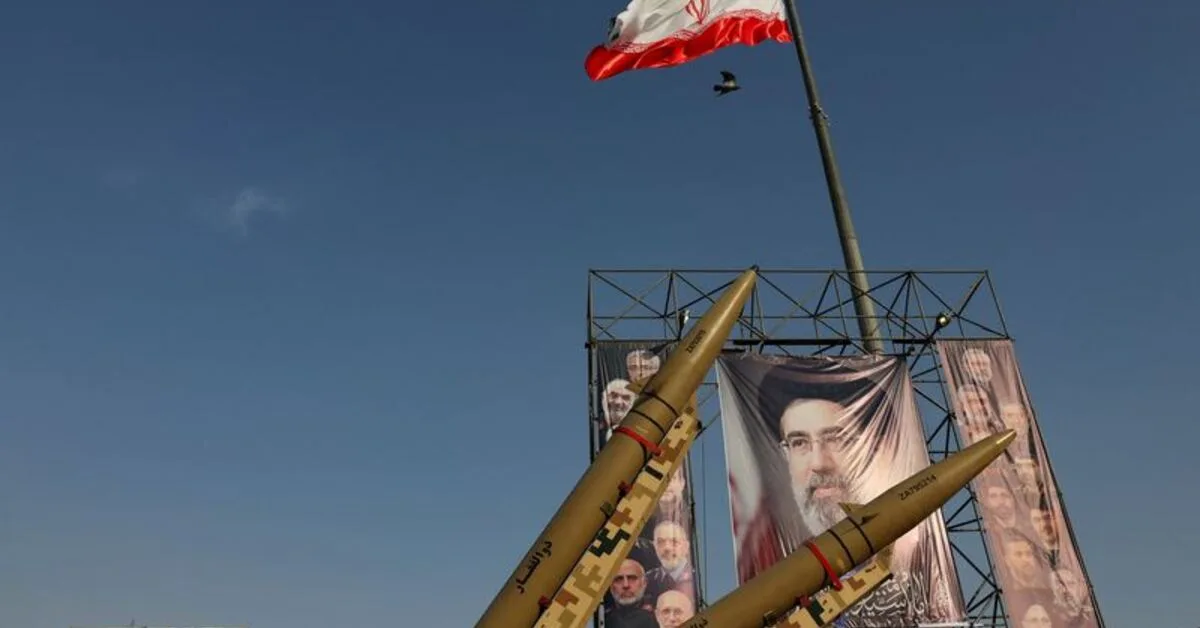
The United States has recently sanctioned 10 individuals and entities for assisting Iran's Ministry of Defense in acquiring weapons and related components. These sanctions include several entities and individuals based in China, Hong Kong, and Pakistan, and demonstrate Washington's determination to counter Iran's military programs.
Details of the Sanctions
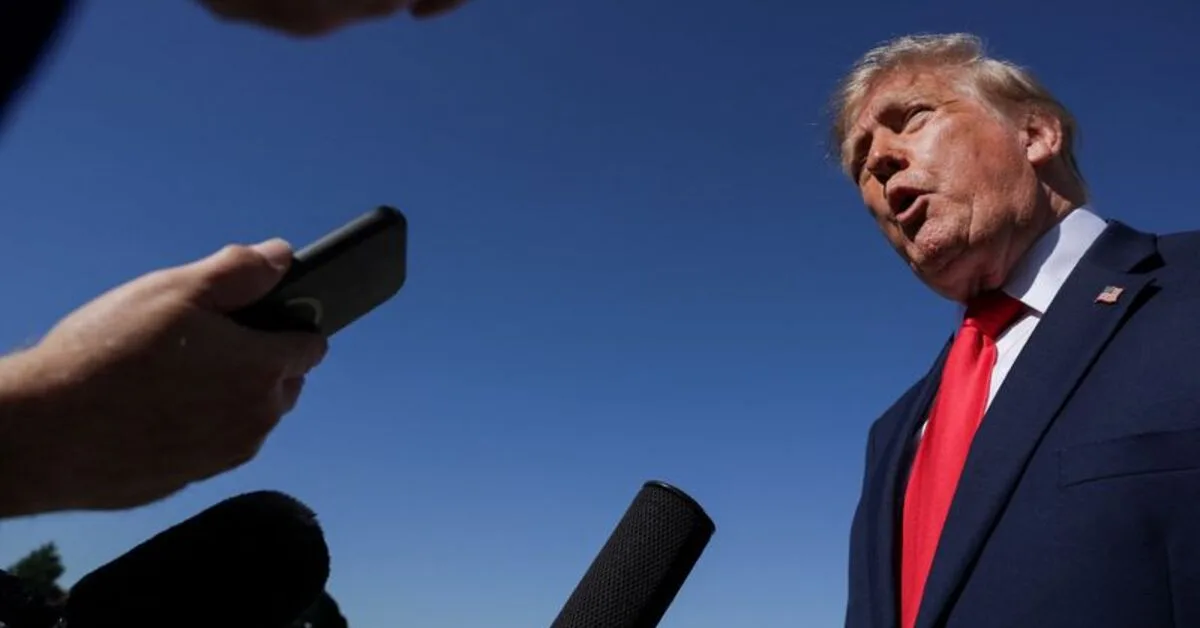
The U.S. Department of the Treasury has announced that these sanctions are aimed at weakening Tehran's ability to rebuild its weapons programs and increasing the costs for suppliers of these programs. Scott Basset, the Treasury Secretary, stated: "Under the operations of the rejected economy, the Treasury will continue to target and disrupt those who provide material, technological, or financial support to the Iranian regime."
Read more: Qatar helped reunite 87 Ukrainian children with their families
Economic and Political Consequences
These sanctions are part of the previous U.S. administration's broader plans to exert economic pressure on Iran and compel it to negotiate an end to the Iran-U.S. conflict that began in February. The main goal of these actions is to economically and politically isolate Iran and prevent the expansion of its military activities in the region.
These sanctions will not only affect Iran but also impact the trade and economic relations of countries that cooperate with Iran. Washington hopes that this pressure can compel the Iranian regime to change its policies and contribute to regional security.
According to U.S. officials, the Treasury will not tolerate the Iranian regime exploiting any form of support and will continue to identify, expose, and isolate the supporters of Iran's military programs.
Read more: Lebanon received 20 shipments from the Sultanate of Oman · Qatar continues to mediate between the United States and Iran