Saudi Arabia has significantly increased its oil transport through the Strait of Hormuz due to an attack on its East-West pipeline. According to recent reports, this action has placed considerable pressure on the oil transport network in the Gulf of Oman, bringing the region close to its operational limits.
Increase in Oil Transport in the Gulf of Oman
Shipping industry analysts report that ship-to-ship (STS) oil transfers in the Gulf of Oman have averaged 3.7 million barrels per day from the start of the war on February 28 to September 21. This figure represents a significant increase compared to 160,000 barrels per day in 2025. In September, this trend accelerated, averaging 8.2 million barrels per day from September 1 to September 24.
Read more: Oman Condoles the United Arab Emirates on the Passing of Sheikh Ahmed bin Rashid
Impact of War on Oil Transport Operations
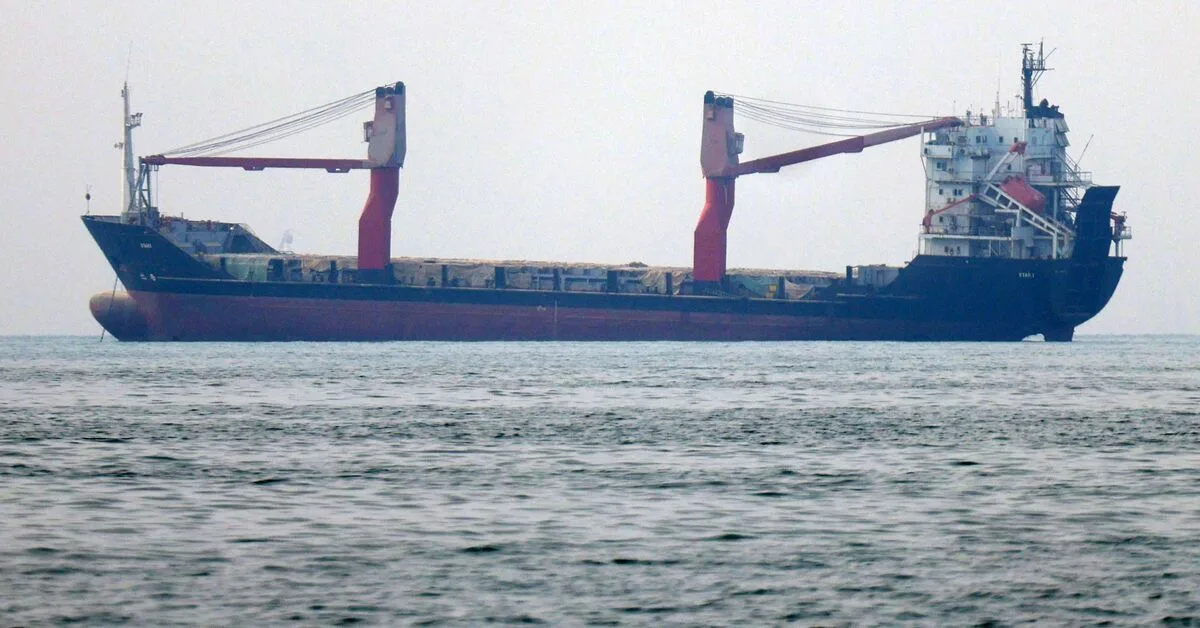
According to Panagiotis Korontiras, an oil transport analyst at Kpler, our understanding is that the region is gradually approaching its operational limits, which is clearly evident from the unprecedented increase in operations. The STS transfer method, which involves transferring liquid cargoes including crude oil or natural gas between two commercial vessels at sea, is being used as a workaround to cope with wartime conditions. In this method, smaller tankers, passing through the high-risk Strait of Hormuz, transfer their cargo to larger vessels in safer waters, such as the ports of Fujairah in the UAE and Sohar in Oman.
This approach allows ships to quickly return and take on more oil cargo. To reduce the risk of attacks, shuttle tankers typically turn off their tracking systems to avoid detection. This situation reflects the serious challenges that Saudi Arabia and other countries face in terms of energy supply.
Recent developments in this area could have serious implications for the global oil market and energy security. Given that the Strait of Hormuz is one of the most important oil transit routes in the world, any disruption in this region could have significant impacts on global oil prices and supply.
Read more: Cancellation of Iranian Flights to Gulf Neighbors and Houthi Missile Strikes by Saudi Arabia · The UN Security Council Condemns Houthi Attacks on Saudi Arabia