Saudi Arabia and Yemeni military forces have recently begun new operations against the Houthi group. This operation is designed to reclaim all lands from the control of the Houthis, which have been held by this group for over a decade. This comes as the Houthis have expanded their influence in recent months, especially following recent conflicts in the Middle East.
High Number of Airstrikes
The Yemeni military has announced that more than 1,000 airstrikes have been carried out in this operation, with 100 fighter jets attacking Houthi-controlled areas in the early morning hours. This information has been provided by the coalition led by Saudi Arabia, which supports the Yemeni government. The main goal of this coalition is to reclaim Houthi lands, especially in the coastal and strategic areas of the Red Sea and the Bab al-Mandab Strait.
Read more: Election competition in America: Democrats lead in 5 states
Economic and Humanitarian Consequences
The escalation of war in Yemen, one of the poorest countries in the world and a neighbor of Saudi Arabia, has fueled economic and humanitarian concerns. In this regard, Amin Nasser, CEO of Aramco, has warned that global oil reserves have sharply declined, and this situation has been exacerbated by recent conflicts between the United States and Iran. Meanwhile, Houthi attacks on Saudi oil infrastructure and ships in the Red Sea continue.
Following the launch of this new operation, a spokesperson for the Yemeni military announced that these attacks included strikes on artillery positions, supply routes, reinforcements, and other logistical assets of the Houthis. Additionally, on Sunday, the Houthi group effectively besieged the important city of Taiz, cutting off its main supply route to the temporary capital of the Yemeni government, Aden.
Citizen Resistance in Taiz
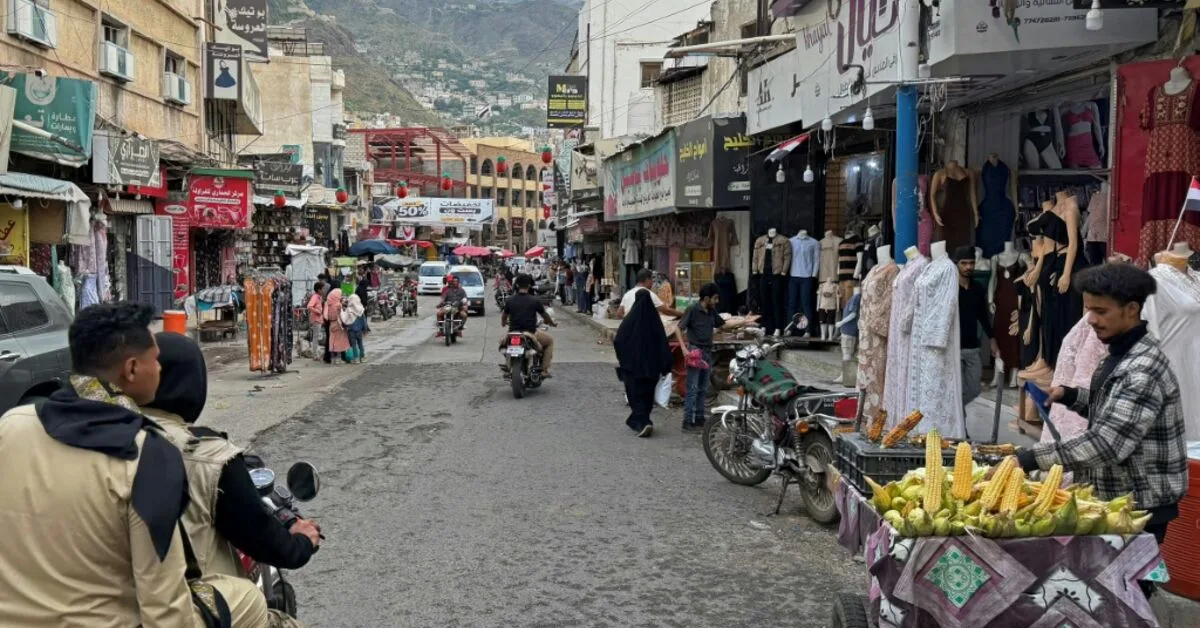
Citizens of Taiz have stated that despite the siege, they are not willing to leave the city and will remain to defend it. One resident of the city, Fahim Ahmed Ghaleb, emphasized, "We cannot leave the city. It is impossible for us to go, and we will stay in this city. In previous conflicts with the Houthis, we also remained inside the city." Taiz remains under the control of government forces but is besieged on three sides by Houthi forces.
Analysts, including Ahmed Naji, a senior Yemen analyst at the International Crisis Group, believe that the siege of Taiz is a significant development, but it is still too early to consider it a decisive turning point in the war. While the Yemen war began before the Middle East conflict, it has recently become one of the more active fronts in this war.
The Yemen war, which began in 2015, has led to a humanitarian crisis and widespread human casualties. This war, which has been severely intensified due to the intervention of the international coalition led by Saudi Arabia, has caused millions to depend on humanitarian aid.
Read more: Egypt: A Palestinian teacher established a school for displaced Gaza children · Iran emphasized the lack of a military solution for the Middle East war