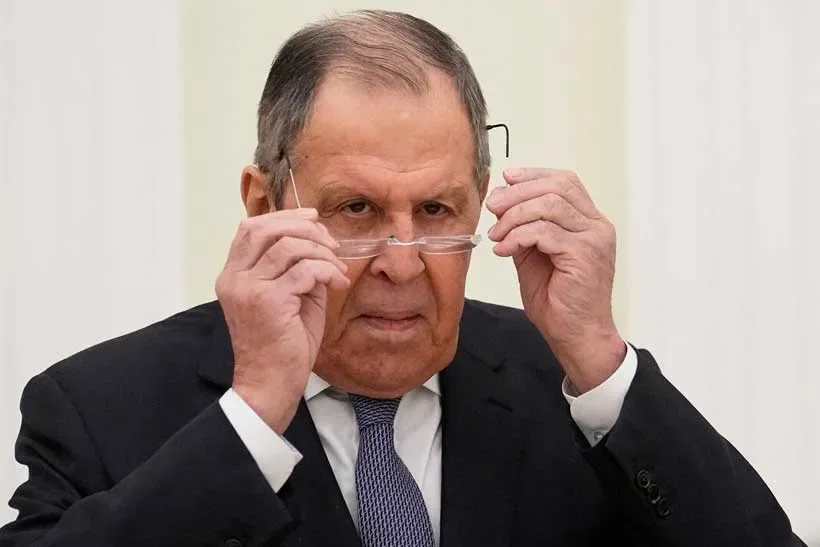
Sergey Lavrov, the Foreign Minister of Russia, has traveled to Tehran today, Monday, October 19, 2026. This visit is in line with the follow-up of bilateral agreements and consultations regarding regional and international developments. The timing of this visit coincides with diplomatic movements related to the war and tensions between Iran and the United States, elevating the importance of this meeting beyond bilateral relations.
Objectives of Lavrov's Visit
Ismail Baqaei, the spokesperson for the Iranian Foreign Ministry, has announced Lavrov's visit and emphasized that it is conducted within the framework of ongoing consultations between Tehran and Moscow. Lavrov's itinerary includes meetings with Seyed Abbas Araghchi, the Iranian Foreign Minister, and Masoud Pezeshkian, the President of Iran. Topics such as bilateral cooperation, regional and international issues will be discussed in these meetings.
Read more: Russia Calls for Establishing a Comprehensive Security Structure in the Persian Gulf
Russia's Role in Reducing Tensions
Lavrov's visit to Tehran could provide an opportunity to explore more practical ways to reduce tensions between Iran and the United States. Vladimir Putin, the President of Russia, announced Moscow's readiness to help resolve the crisis and end the war during a meeting with Masoud Pezeshkian in Turkmenistan. This positioning comes at a time when tensions between Iran and the United States are recognized as one of the main factors of regional instability, and achieving a sustainable solution faces serious obstacles.
For Tehran, any diplomatic initiative is significant if it can lead to a reduction in tensions and serve national interests. In this context, Kazem Gharibabadi, the Deputy Foreign Minister of Iran, has referred to Russia's positions on the war and Moscow's readiness to assist in establishing peace, expressing gratitude for it.
Challenges and Mediation
Despite Iran's welcome of Russia's role in the current tensions between Iran and the United States, Tehran still considers Pakistan as the main mediator in the negotiations. Qatar has also played a mediating role in this tension, and a 7-day plan for exchanging views between Tehran and Washington through the Doha channel is underway. The spokesperson for the Iranian Foreign Ministry, Baqaei, emphasized that Lavrov's visit is conducted within the framework of ongoing consultations between the two countries and aims to follow up on the implementation of bilateral agreements.
Russia's Efforts for Gulf Security Arrangements
One of the most important aspects of Lavrov's visit is Russia's effort to play a more active role in the security arrangements of the Persian Gulf. Since the late 1990s, Russia has proposed the idea of establishing a collective security system in the Persian Gulf region and has updated and refined this proposal in recent years. This plan has been presented to the United Nations, and Moscow believes that sustainable security is only possible when all countries in the region participate in the dialogue and decision-making process.
Therefore, Lavrov's visit to Tehran should be examined on two levels: first, bilateral cooperation and the implementation of previous agreements, and second, consultations about regional crises and Russia's role in ongoing developments. Given recent developments, this visit could be seen as a turning point in regional diplomacy.
Read more: Abbas Araghchi Attributed Tensions in the Hormuz Strait to the U.S. and Emphasized Diplomacy · Iraq Seeks to Hold a Meeting Between Iran and Gulf Countries in Baghdad