The El Niño phenomenon has drawn considerable attention in recent weeks due to severe climatic changes in different parts of the world. The effects of this climatic phenomenon include concerns related to food security, widespread fires, and warnings about electricity shortages in various countries.
Fires and Health Crisis in Indonesia
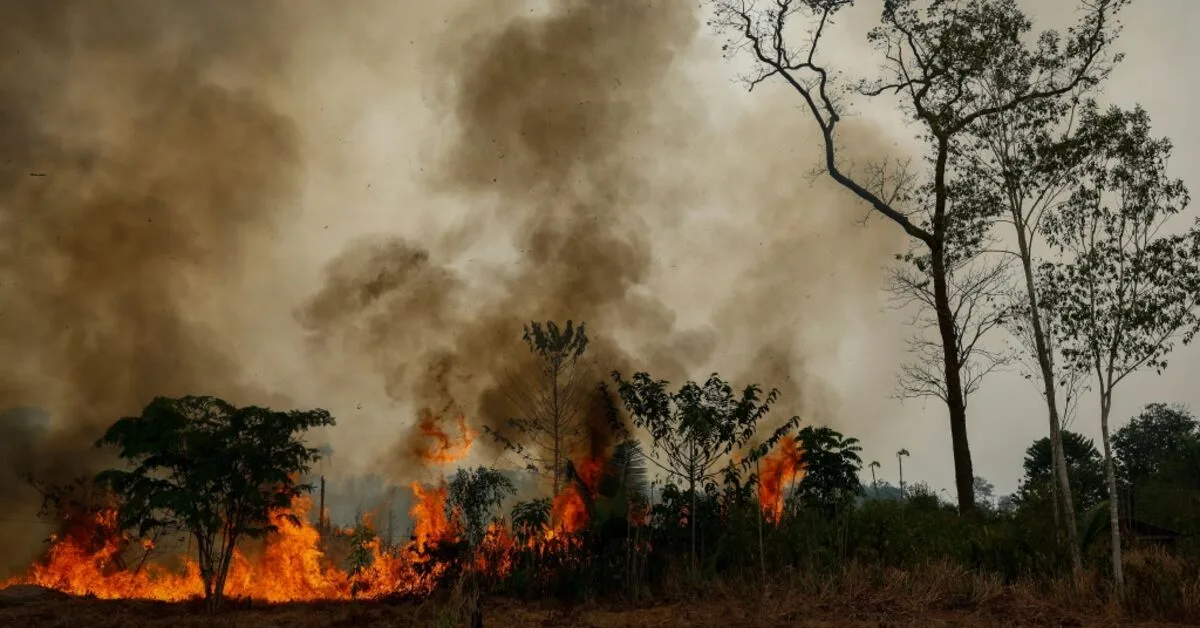
El Niño has been particularly associated with severe droughts in Indonesia, where forests and fields in areas such as Borneo and South Sumatra have been burning for several months. These fires have led to a thick haze crisis in the region, prompting the Malaysian government to close schools in several areas due to poor health conditions. Additionally, Singapore has provided subsidies for individuals needing treatment due to haze-related illnesses.
Read more: Oman held a workshop on combating the weed 'Parthenium'
Malaysia has also offered assistance to extinguish the fires while inviting other countries within the framework of the Association of Southeast Asian Nations (ASEAN) to discuss this crisis. Experts believe that years of deforestation and the draining of peatlands in Indonesia have made the country more vulnerable to fires during dry periods.
Consequences of El Niño in Brazil and Myanmar
The haze from the fires has also affected the city of Manaus, the largest city in the Amazon in Brazil, leading to the closure of public schools in the city on Friday. The state of Amazonas witnessed an approximately fourfold increase in fire hotspots compared to the previous year last September. Meanwhile, Myanmar has also warned its citizens to expect power outages as the electricity grid is under pressure due to unusually high temperatures.
The Ministry of Energy in Myanmar stated: "Due to the severe impacts of El Niño conditions, temperatures across the country have significantly increased, and electricity consumption has risen." Additionally, meteorological officials have warned of expected abnormal rainfall, drought, extreme heat, and shortages of drinking water in the country.
In the Philippines, Energy Secretary Sharon Garin announced that the government is preparing for increased demand and the potential reduction of hydropower generation due to hot and dry weather. She urged the public to pay attention to energy conservation.
The head of the International Monetary Fund, Kristalina Georgieva, has also expressed concern about the global impacts of El Niño, particularly on food security. She added: "The IMF is preparing to provide support to countries that may face challenges in coping with the effects of this phenomenon."
The United Nations Development Programme has also warned that the combination of high borrowing costs, rising energy prices, and a strong El Niño could create a "perfect storm" that could push millions back into poverty.
In southern Madagascar, relief workers are already battling the effects of famine, and conditions are expected to worsen with the full impact of El Niño on Africa starting this month. According to the World Meteorological Organization, El Niño will continue to intensify until its peak in December.
This phenomenon is likely to bring above-average temperatures to many parts of the world and alter precipitation patterns, increasing the risk of droughts and floods in various regions.
Read more: EU report: One-third of the world's population is exposed to severe ozone air pollution · The Sultanate of Oman proposed the establishment of a Gulf center for environmental and climate change studies