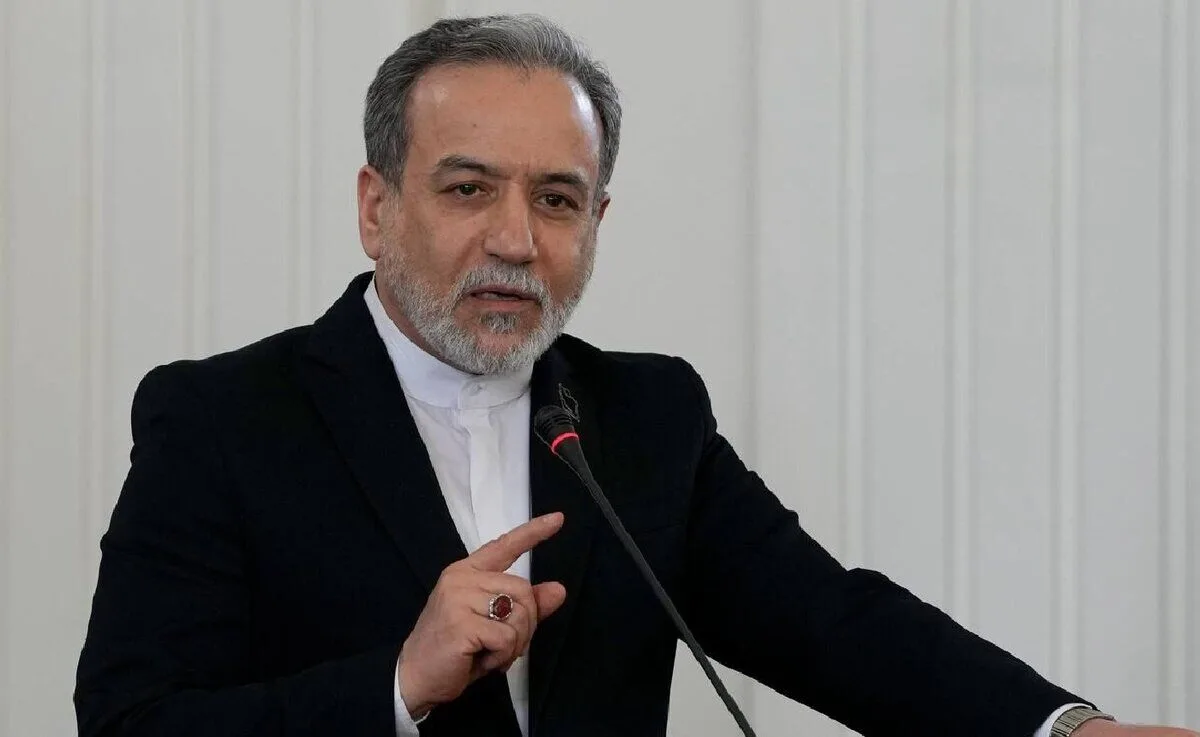
Seyed Abbas Araghchi, Iran's Foreign Minister, reported on the latest status of consultations with Qatari mediators for reopening the Strait of Hormuz, stating that these consultations are still ongoing and no definitive result has been achieved yet. He emphasized that reaching a conclusion depends on the responses of the other party to Iran's questions.
Emphasis on Continuing Consultations with Qatar
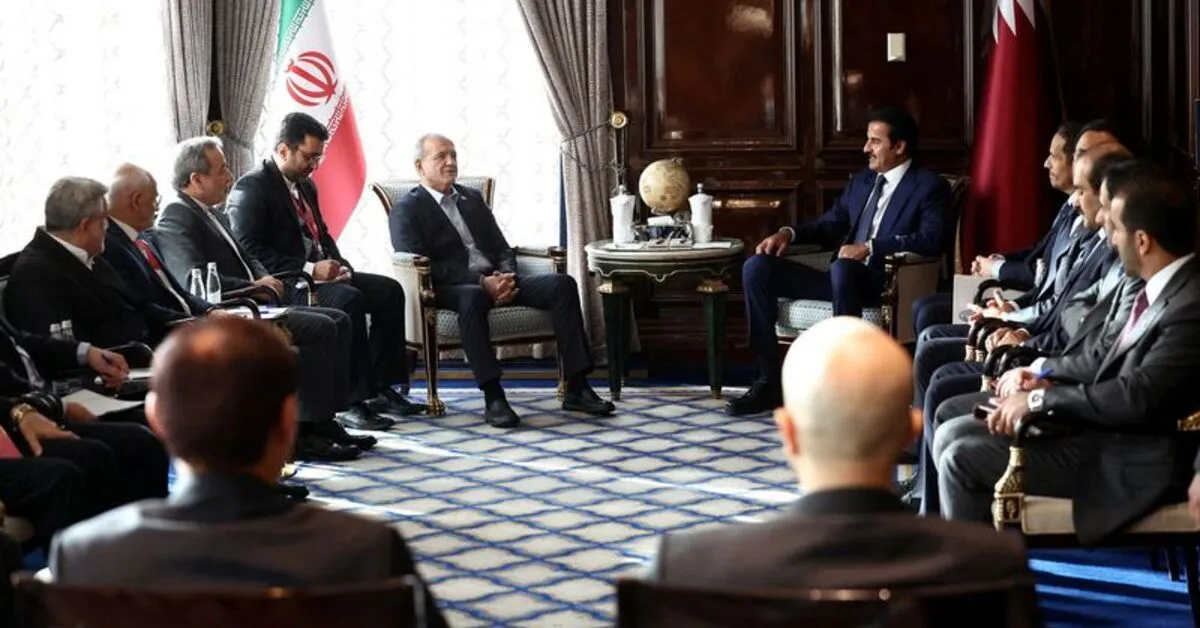
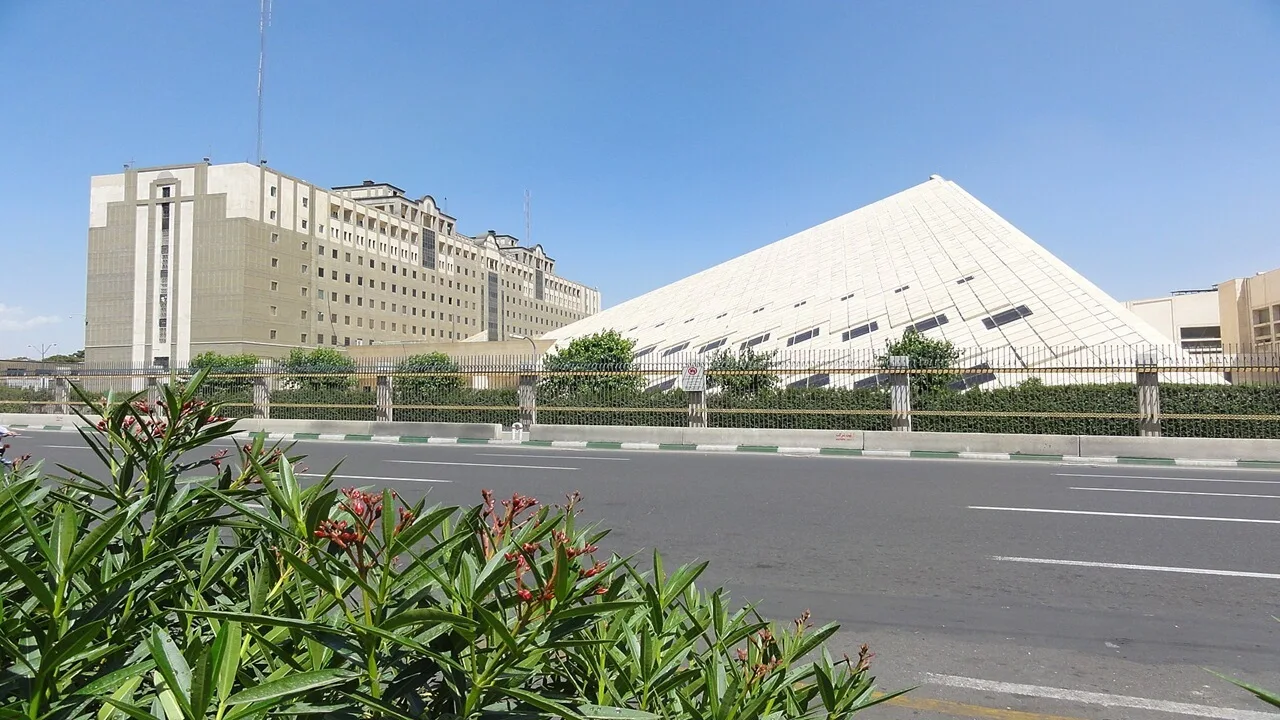
Araghchi, on the sidelines of a session of the National Security and Foreign Policy Commission of the Islamic Consultative Assembly, noted that the visit of the Iranian delegation to Qatar was at the level of Deputy Foreign Minister and aimed at continuing consultations with Qatari mediators. He emphasized that these mediators have also been present in Tehran in recent weeks.
Read more: The schedule of the Islamic Consultative Assembly of Iran for next week
The Iranian Foreign Minister clarified that during the Iranian delegation's visit to Qatar, there was no plan for direct negotiations with the American side, and consultations will continue through mediators. He said: "Consultations regarding the two-day plan for the Strait of Hormuz are in the process of implementation, but it is still not possible to talk about a definitive result."
Iran's Conditions for Reopening the Strait of Hormuz
Araghchi referred to Iran's conditions for reopening the Strait of Hormuz, stating that these conditions include the lifting of sanctions imposed after the Islamabad agreement, reducing the presence of American forces in the region, restoring oil exemptions, and releasing Iran's frozen assets. Additionally, Iran is seeking recognition of a new shipping route established with Oman in the Strait of Hormuz and has also raised the issue of halting other routes.
Araghchi also mentioned a ceasefire and the end of the war on all fronts, including Lebanon, as part of Iran's conditions. He emphasized that reopening the Strait of Hormuz based on Iran's conditions could pave the way for resuming negotiations with the U.S. on remaining issues.
Iran's Readiness for Diplomacy and Defense
The Iranian Foreign Minister further stated that there is currently no plan for a direct meeting with American officials, and Iran does not see a need for such a meeting at this time. He added that mediators are conveying Tehran's views and conditions, and once Washington decides on Iran's conditions, Tehran will determine how to proceed with negotiations, whether direct or indirect.
Araghchi emphasized Iran's readiness for all scenarios, stating: "The orders of the Supreme Commander of the Armed Forces to senior military commanders clearly demonstrate the will of the Islamic Republic of Iran." He added that Iran's armed forces have a specific mission and, drawing on the experiences of the past two wars, are better prepared and more capable than before.
The Foreign Minister also responded to economic pressures, saying: "We will not surrender and will not give up our dignity and honor." He ultimately emphasized that the Islamic Republic of Iran is still simultaneously ready for defense and diplomacy, and what path the U.S. chooses depends on the rationality of that country.
Read more: The Islamic Consultative Assembly of Iran discussed the issue of withdrawal from the NPT · The visit of Ali Al-Zaydi, Prime Minister of Iraq, to Bahrain and Kuwait