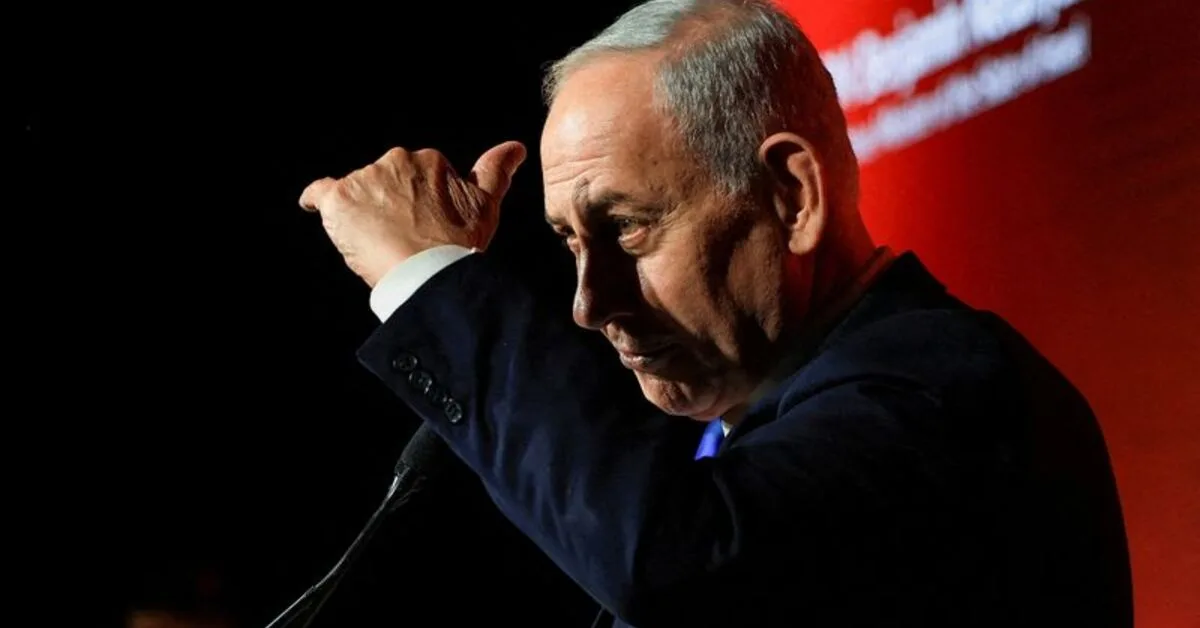
Sheikh Fahad Youssef Saud Al-Sabah, the Deputy Prime Minister and Minister of Interior of Kuwait, announced that the cases of 10,000 companies with five or more employees have been suspended for a period of one to one and a half years due to non-payment of salaries. In a meeting with representatives of the private sector, he reported the implementation of an automated and strict system that suspends companies' cases as soon as salary payments become irregular.
Ensuring Expat Workers' Rights
Sheikh Fahad stated that the purpose of holding this meeting was to serve the interests of business owners and foreign workers, asserting that no country values its citizens as much as Kuwait does. He emphasized that the Kuwaiti government is committed to ensuring the rights of foreign workers as much as it does for its own citizens. Sheikh Fahad added that "the old chaos has ended and will not return," and business owners must understand this.
Read more: India's key economic sectors grew by 7.9% in September
Increased Monitoring of Salary Payments
He referred to the serious situation of non-payment of salaries, stating that this issue has also spread to employees of contracting companies in cooperative societies. Sheikh Fahad reported a noticeable decrease in labor strikes due to the strict enforcement of monthly payments and warned that human trafficking, money laundering, and non-payment of salaries harm Kuwait's international reputation.
Sheikh Fahad also mentioned the issue of "guaranteeing," where businesses are registered in the names of citizens, which leads citizens to engage in money laundering. He cited an example of a restaurant that is registered solely in the owner's name, from which 70 million dinars have been collected. He also added that about 300 delivery workers who were in violation were dismissed within a few days.
Sheikh Fahad clarified that the processes for salary payments will become easier, but in return, strict monitoring will be applied to companies that violate the rules or allow workers to work for others. He added that companies have been informed about the new controls in previous meetings.
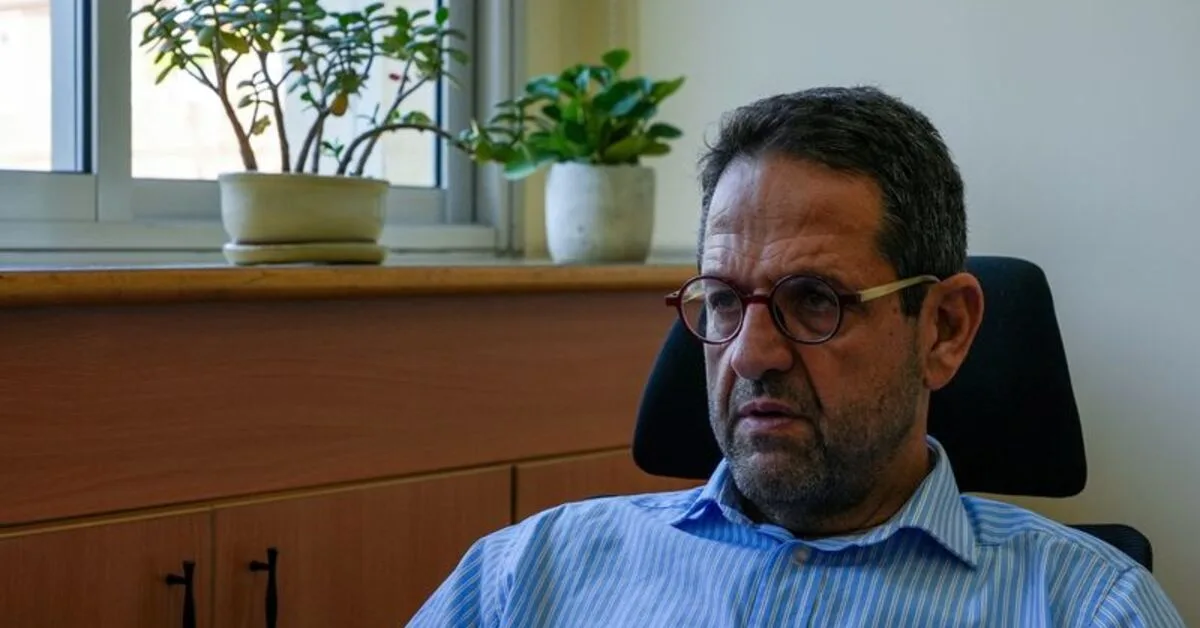
Rabab Al-Asimi, the Director General of the General Department of Labor, also stated that salaries must be paid before the seventh day of the following month and added that regular salary payments reduce labor disputes, strikes, and protests. She announced that the cases of another 10,000 companies have been suspended since September due to non-payment of salaries.
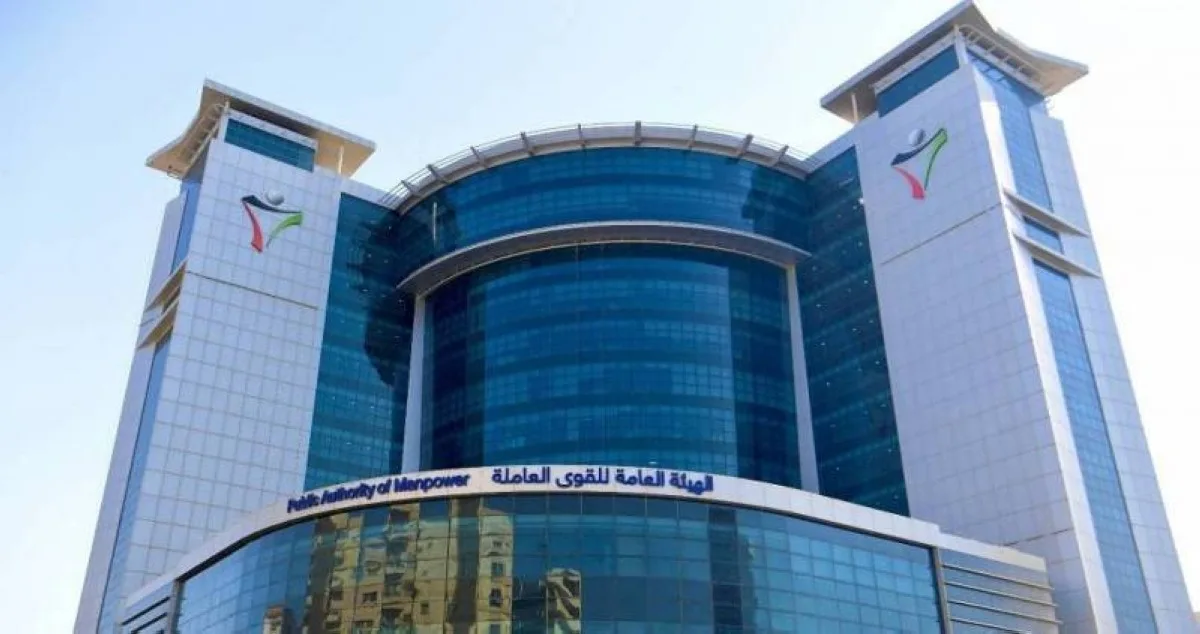
Data presented by PAM in this meeting showed that the salary payment compliance rate increased to 75.6% in July 2026, a significant increase from 38.7% a year earlier. Companies submitted 93,865 requests through the Rights Protection System between January and September, representing a 195.6% increase compared to the same period last year.
Read more: Industrial investments in Gulf Cooperation Council countries reached $426 billion · Steven Butler emphasizes friendship and cooperation between Kuwait and the USA