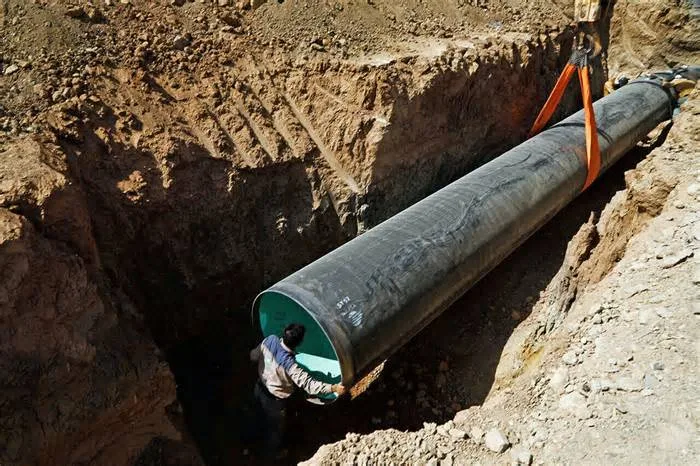
Researchers in the field of water sciences and natural resources at Shiraz University and the Academy of Sciences of the Islamic Republic of Iran conducted a detailed study examining the theoretical foundations and operational consequences of mega desalination and water transfer projects from the Persian Gulf to the central plateau. This research shows that transferring water from the Persian Gulf to this region is not only uneconomic but can also severely harm the environment.
Environmental Risks of Water Transfer Projects
This research emphasizes the negative environmental impacts, particularly in ecological and agricultural areas, detailing the risks that may arise as a result of implementing these projects. For instance, the reduction of groundwater levels, increased soil salinity, and climate changes are among the consequences that could lead to environmental crises.
Read more: Weather forecast in Oman with a chance of thunderstorms
Economic and Social Dimensions
In addition to environmental risks, researchers also pointed to the economic aspects of these projects, stating that the high costs of water transfer and infrastructure maintenance could impose a heavy financial burden on governments and local communities. On the other hand, these projects may lead to social discontent among residents of the target areas, as the provision of drinking and agricultural water is deprioritized.
Ultimately, the researchers emphasized that instead of implementing uneconomic and destructive projects, sustainable and indigenous methods should be sought to meet water needs and improve environmental conditions. This approach could help preserve natural resources and enhance the quality of life for residents in various regions.
Read more: Oman Environmental Organization's explanation about the fire in the Jebel Shams reserve · Severe impacts of El Niño on food and environmental conditions in various countries