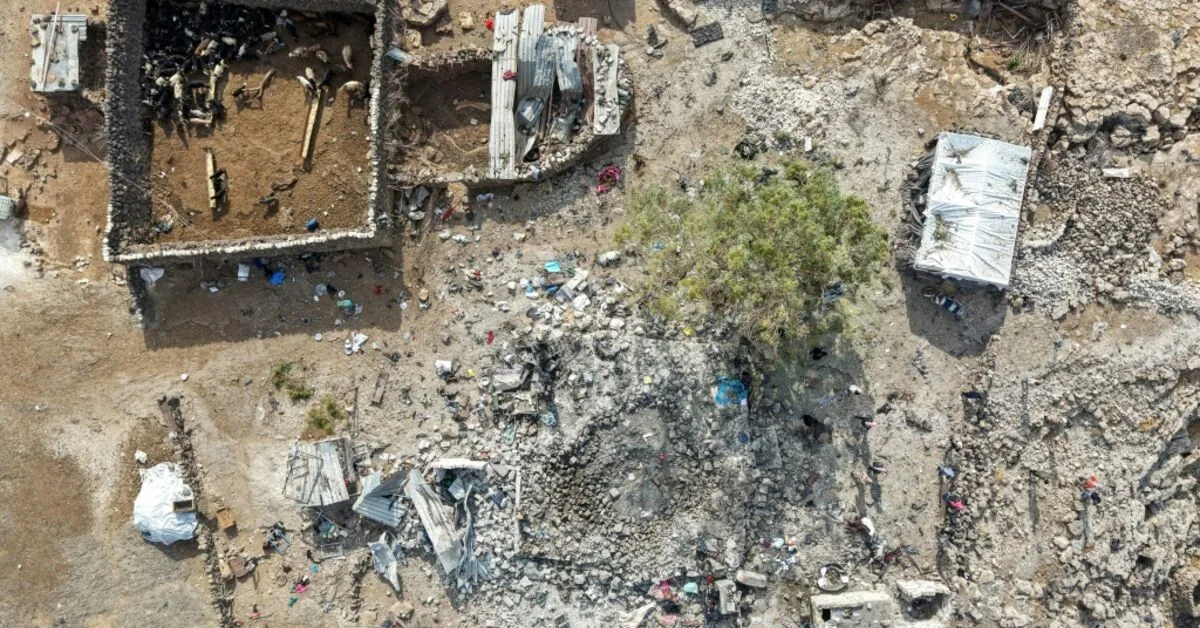
Syria on Tuesday reacted to Jordan's deadly airstrikes in the south of the country that occurred the previous day, describing them as an unacceptable violation of its national sovereignty. Jordan has stated that these strikes were in retaliation for an armed attack on a church that left nine people dead and 25 others injured.
Syria's Response to the Airstrikes
This crisis marks the most severe tension between Syria and Jordan since the ousting of Bashar al-Assad in December 2024. Syria stated in a statement that these strikes were "a violation of Syrian airspace without any prior coordination" and have harmed the principles of neighborliness and Syrian national sovereignty. While Jordan has spoken of coordinating these strikes with Syria, Damascus has rejected this claim and provided different casualty figures.
Read more: Luiz Inácio Lula da Silva Achieves Fourth Presidential Term in Brazil
Details of the Strikes and Casualties
The Syrian Civil Defense Organization has reported that these strikes have resulted in the deaths of seven people, including three children. Mohammad al-Momani, a spokesperson for the Jordanian government, stated that "initial results indicate significant damage to ISIS ranks" and added that a large weapons depot belonging to the group was also destroyed. He also expressed regret over any civilian casualties and emphasized that Jordan has avoided targeting locations where civilians might be present.
Following these strikes, Syria closed its main border with Jordan, known as Jaber on the Jordanian side, and halted all passenger and commercial traffic. Syria's Minister of Crisis Management, Raed Saleh, stated that both sides are examining this crisis through "diplomatic and legal channels" to ensure justice for the victims.
Arrest of Suspects and Political Reactions
Jordan announced on Monday that three Jordanians suspected of involvement in the church attack have been arrested. These suspects were transferred to the hospital after being injured in a confrontation with security forces. Meanwhile, Abdullah II, the King of Jordan, emphasized that "terrorists will not escape punishment" and that no supporter of dark ideologies that divide Jordanians will be tolerated.
ISIS was militarily defeated in Syria in 2019, but remnants of the group still exist in some areas and occasionally claim responsibility for attacks. Jordan has previously targeted sites in southern Syria, stating that these strikes were against locations used by arms and drug traffickers.
Read more: Jordan Arrests Three Individuals Due to Deadly Church Attack · Increased Security in Jordan After Deadly Church Attack