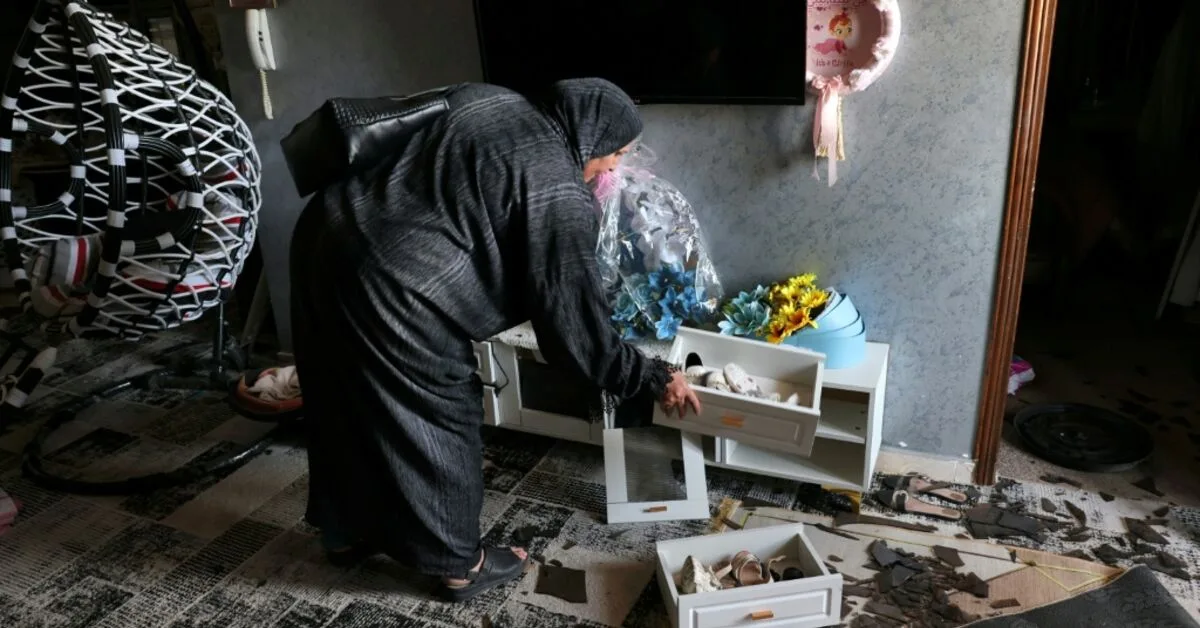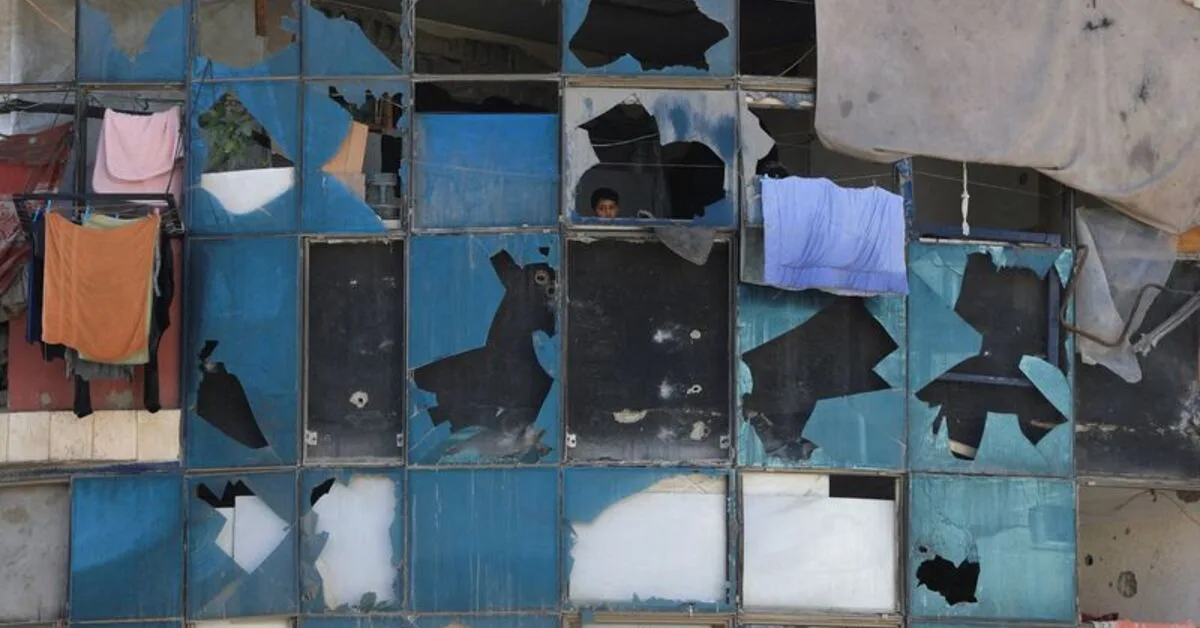
Benina Mohammed, a 51-year-old refugee, lives among tens of thousands of others as a representative of her generation that fled from their homeland in Western Sahara to the refugee camps in southern Algeria due to the conflicts. This conflict, known as the longest territorial dispute in Africa, has come back into focus with the end of the UN peacekeepers' mission in the region last week.
History of the Conflict in Western Sahara
The Western Sahara conflict continues between Morocco, which claims the territory as its own, and the Polisario Front, a political and military organization supported by Algeria that has been seeking to establish an independent state in the region since 1976. Since 1991, UN peacekeepers have been tasked with monitoring the territory, which was when a ceasefire was established between the two sides.
Read more: Commercial plane crash in Florida with 9 dead near Trump's residence
Challenges Faced by Refugees
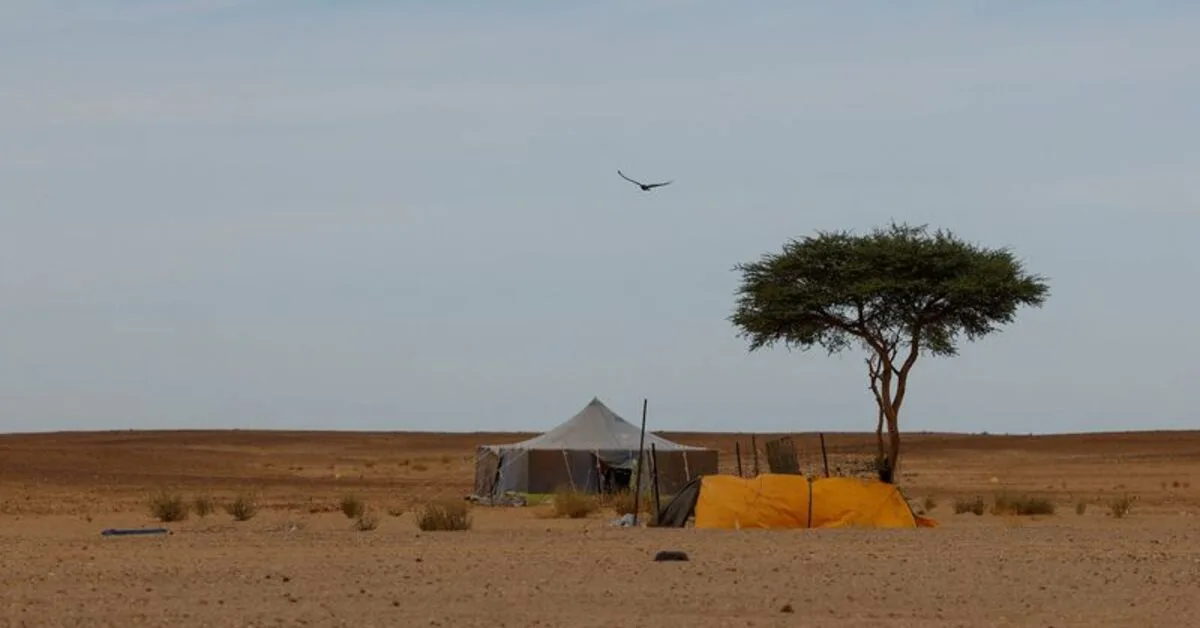
Thousands of Sahrawis have fled to the Tindouf region in Algeria due to the conflicts, where the Polisario administers five refugee camps. During a rare visit to the area, Benina Mohammed expressed concern that her daughters, now in their twenties and thirties, have never traveled to their homeland. She hopes that her daughters do not reach the age of 50 without seeing their birthplace.
Her other daughter, Safia Saleh, 33, spoke of her wish for a better future for her children: "I want my children and grandchildren to be educated and grow up in their own country, not to live here as refugees like us."
As diplomatic disputes over the status of Western Sahara continue, the challenges faced by refugees like Benina Mohammed have become a focal point of the conflicts. Last year, the UN Security Council supported Morocco's plan to grant autonomy to the region under Moroccan sovereignty. Meanwhile, Algeria's representative at the UN defended the Polisario's position and pointed to the reduction of aid and the suffering of refugees in the camps.
Mohammed and her family face daily struggles such as access to water and harsh weather conditions. More than 80 percent of camp residents rely on humanitarian aid to meet their basic food needs. Her other daughter, Aisha Salem, 24, and a fighter of the Polisario Front, expressed hope that the next generation will have a better life: "We do not want to live like past generations, in a state of homelessness and deprivation."
Benina Mohammed also emphasized the need for stability, saying: "We are tired of living as refugees. Those who have no land have no life."
Read more: Death of a child in a school bus accident in Oman · Withdrawal of UN peacekeepers in Lebanon and local concerns