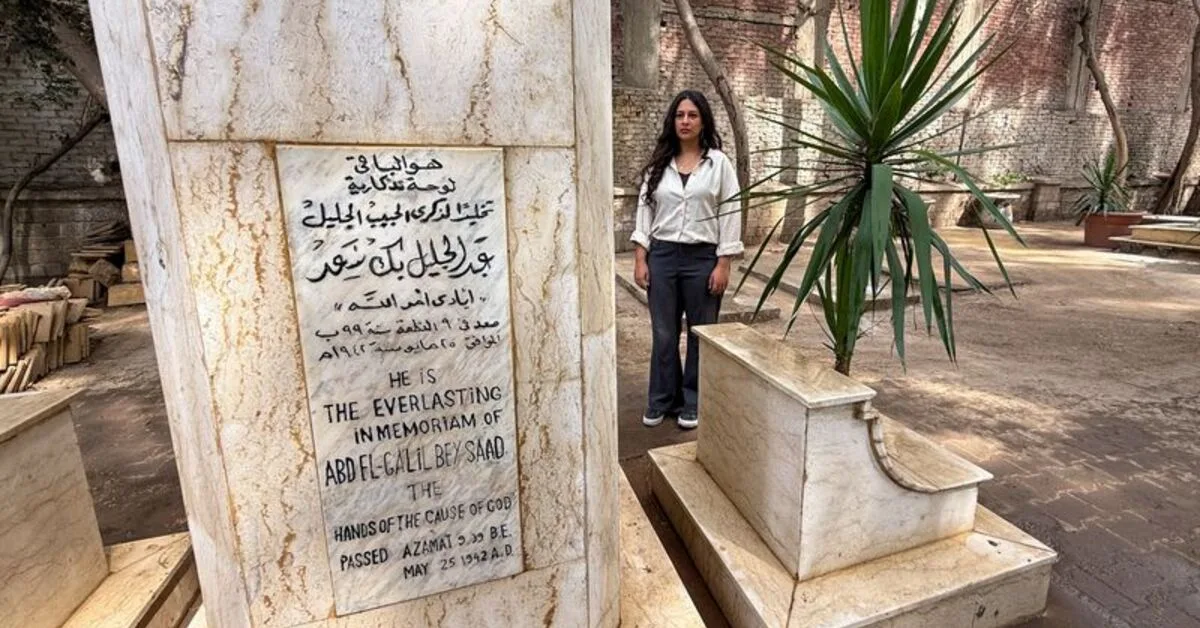
The Baha'i minority in Egypt is facing a shortage of burial space in Cairo's cemeteries, which has become a symbol of the administrative problems and existing restrictions for this religious group. In the cemetery designated for this minority, graves are tightly packed together, with only narrow strips of sand and broken walkways separating one family's burial site from another.
Burial Challenges and Administrative Restrictions
This cemetery is the last burial place for the Baha'i community in Egypt, which is rapidly filling up. Jouma Na Labib, a 25-year-old architect and a member of this community, has expressed concern, saying: "God forbid this area becomes completely full. In that case, we will have no place left to bury our dead."
Read more: Suspension of BBC radio broadcasts in Afghanistan by Afghan authorities
The Baha'i community, whose followers are scattered around the world and believe in their prophet, Baha'u'llah, was brought to Egypt by merchants in the 1860s. The current estimate suggests that this community numbers in the thousands in Egypt, which is considered a small minority compared to the country's population of 110 million.
Legal and Social Barriers
The Egyptian constitution guarantees religious freedom, but Islamic scholars consider this religion heretical, and authorities practically show no willingness to recognize religions outside of the Abrahamic faiths. While Islamic tradition mandates burial within one day of death, the Baha'i faith does not permit the movement of the body more than one hour from the place of death, which creates specific challenges.
Some Baha'i graves in the port cities of Alexandria and Port Said have become inaccessible due to being filled or transferred to others. Members of this community say their requests to create new burial sites in these cities have been rejected without clear reasons. Marina Samir, head of the religious freedom and belief section in a human rights organization, states: "Death, instead of being a time for understanding loss, becomes a logistical process."
Last year, in response to a United Nations human rights report, the Egyptian government announced that "there are no restrictions on personal beliefs or religious affiliation, including adherence to the Baha'i faith." Meanwhile, the Baha'i community continues to struggle with practical challenges in marriage registrations and related rights.
Read more: Senator Tom Tillis: Trump's diesel supply contract with Russia may be illegal · Execution of Alireza Sepahi in Isfahan after marriage in prison