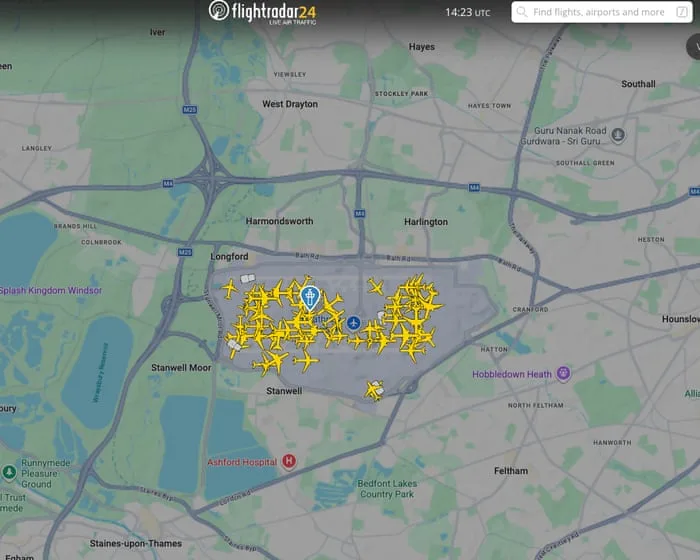
Today, Britain faced one of its biggest flight disruptions. Over 600 flights have been canceled due to a technical issue in the air traffic control system, causing concern among passengers and airlines. While National Air Traffic Services has apologized for this disruption, many questions have arisen about how such a problem occurred.
Consequences of Air Disruptions
This disruption has not only affected air travel but has also cast a shadow over the energy market. Gas prices in Britain have suddenly surged to 184 pence per therm. This price increase could be a sign of pressure on European countries that are preparing for winter.
Given that gas is one of the main sources of heating during the cold season, this price increase could have direct and significant impacts on household budgets and the performance of various industries in Europe. Analysts predict that if this trend continues, more countries may turn to emergency measures for energy supply.
Uncertain Future for Passengers
Passengers are also facing new challenges. Many individuals have had to change their travel plans, and concerns about how to compensate for the losses caused by these cancellations are growing. Airlines are struggling to manage this critical situation, but it seems that this crisis will continue for some time.
This event not only highlights the weaknesses in the air traffic control system but also has broader implications for transportation infrastructure and the energy market in Europe. In this situation, it remains to be seen whether the relevant authorities can find a quick and effective solution to this crisis.