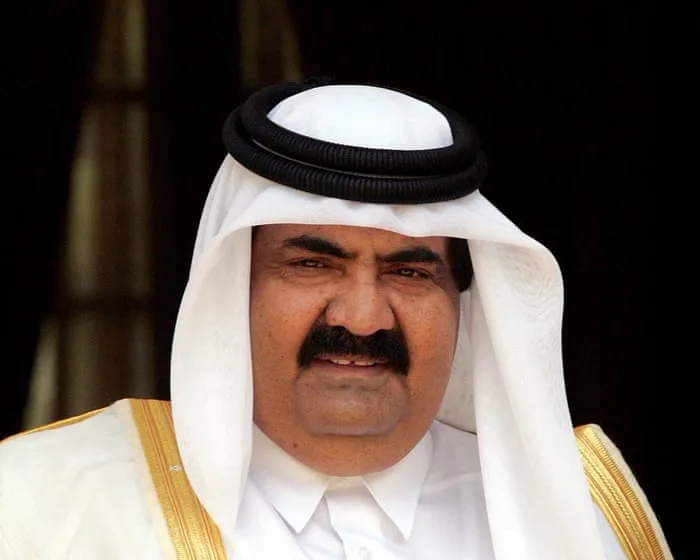
Sheikh Hamad bin Khalifa Al Thani, who served as the Emir of Qatar from 1995 to 2013, experienced a reign filled with challenges and controversies. During this time, although Qatar became one of the richest countries in the world, there is a dark and troubling story behind these advancements.
Migrant Workers and Human Rights
Over 88 percent of Qatar's residents are foreign workers. However, protective laws for this group were rarely enforced properly. In fact, many workers faced serious issues, including the confiscation of passports, inhumane working conditions, and even human trafficking. The labor camps where they resided were often overcrowded and unsanitary, raising serious human rights concerns.
Criticism and Challenges
Sheikh Hamad's government and his efforts to modernize Qatar faced severe criticism from international organizations. Many observers particularly emphasized the conditions of migrant workers and the lack of their basic rights. As Qatar was preparing to host the 2022 World Cup, these criticisms reached a peak, raising fundamental questions about how human rights were being upheld in the country.
Despite these challenges, Sheikh Hamad was able to position Qatar as an important player on the international stage. His active diplomacy and significant investments in infrastructure projects enhanced Qatar's image globally. These developments led some analysts to view him as a leading and innovative leader in the Middle East.
Overall, Sheikh Hamad bin Khalifa Al Thani's reign is a story filled with contradictions. On one hand, there were economic and cultural advancements, and on the other hand, serious challenges regarding human rights and the living conditions of migrant workers present a complex and controversial picture of this era.