The economies of the Gulf Arab countries have been severely affected by the recent war between the United States and Israel against Iran and the closure of the Strait of Hormuz. This situation has led to the economic growth of these countries facing the deepest shock in recent decades. According to data from the International Monetary Fund and the World Bank, economic growth in the region is expected to decline sharply by 2026. Analysts believe that this structural fragility will be an advantage for Iran in the region's strategic equations.
Dependence on Oil and Gas
Despite years of efforts to diversify, the Gulf Arab countries remain heavily dependent on the oil and gas sector. The German Foreign Trade Organization has reported that Saudi Arabia, the UAE, Kuwait, Oman, Qatar, and Bahrain primarily derive their export revenues and government budgets from crude oil and gas. This dependence on oil is such that the breakeven price of oil for balancing the budgets of these countries is high. For example, the International Monetary Fund estimates the breakeven price of oil for Saudi Arabia to be around $90 per barrel.
Read more: Kuwait: The Minister of Finance participated in the Human Capital Conference in Bangkok
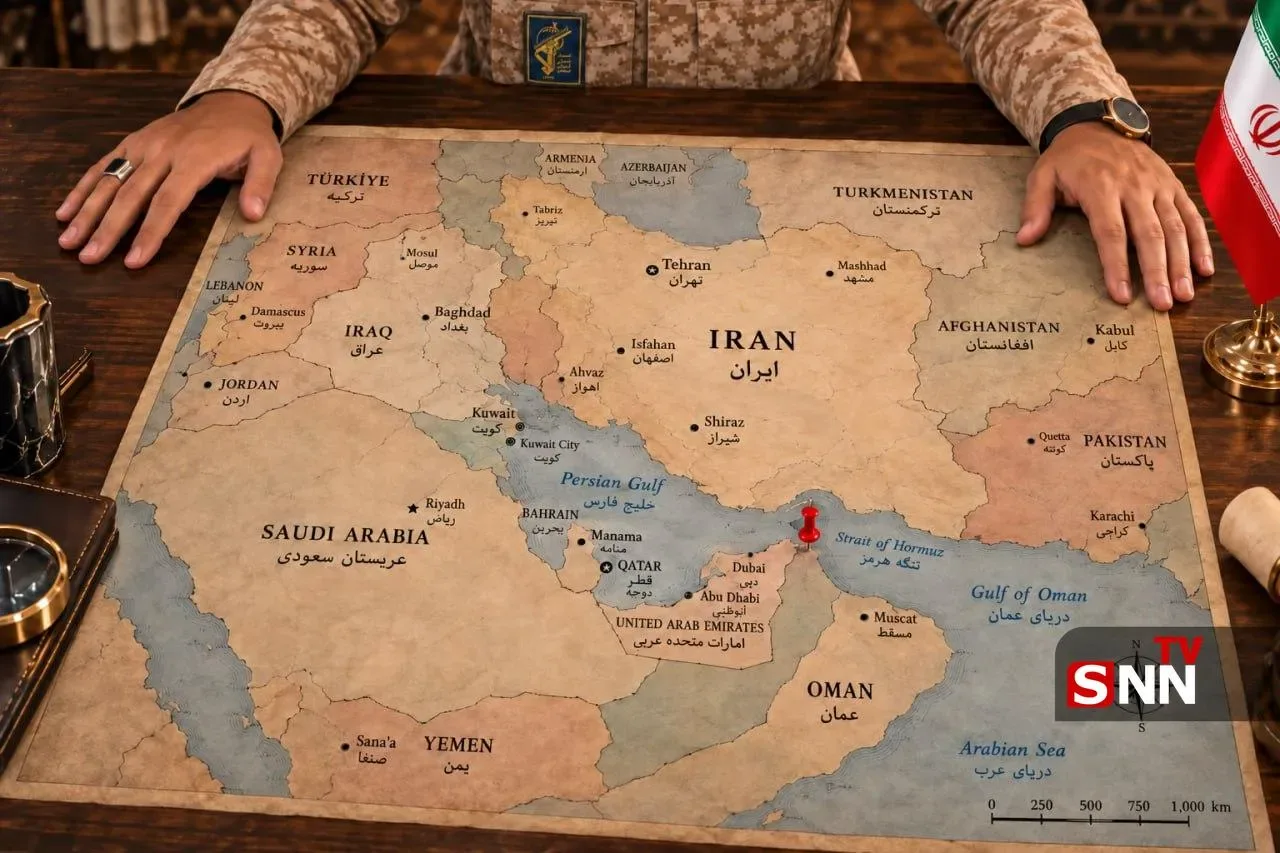
The Strait of Hormuz and Economic Threats
The Strait of Hormuz, as an international energy chokepoint, supplies about 20% of the world's energy. The closure of this strait during the recent war has caused serious damage to the region's economy and affected the economic security of these countries. The World Bank has predicted that the overall economic growth of the Gulf countries will decrease to 1.3% in 2026. Kuwait and Qatar, which have a greater dependence on the Strait of Hormuz, will face negative growth.
These tensions and crises have led the Gulf countries to mobilize around $200 billion in budget to repair the damages caused by the war. However, rebuilding a stable regional image may be much more difficult. A decline in oil revenues could weaken these countries' ability to finance sovereign wealth funds.
Sovereign Wealth Funds as a Temporary Shield
The sovereign wealth funds of the Gulf countries are recognized as the most important resilience tool for these countries. The assets of these funds exceed $5 trillion and account for about 30.3% of the total sovereign wealth funds in the world. However, analysts warn that this resilience has serious limitations and the Gulf countries will remain exposed to instability.
Ultimately, the rating agency Standard & Poor's has predicted that the real GDP of the region will decrease by an average of 3% in 2026, but Saudi Arabia and the UAE have managed to bypass part of their oil exports from the Strait of Hormuz using alternative pipelines. In contrast, Bahrain, as the most vulnerable economy in the region, is in a critical position with a debt-to-GDP ratio of 147%.
Read more: ABRAJ Energy Services continues to strengthen domestic value in Oman · Kazem Gharib Abadi: Iran's contacts with the Gulf countries continue