The Gulf Cooperation Council called for the inclusion of the Houthis of Yemen on the list of terrorist groups and emphasized that any agreement with the Islamic Republic must include not only the nuclear program but also Iran's missile and drone programs and Tehran's support for proxy groups in the region.
Condemnation of Houthi Attacks on Saudi Arabia
This request was made in the final statement of the 168th meeting of the foreign ministers of the Gulf Cooperation Council, which was held on Sunday, October 18, under the chairmanship of Abdullatif bin Rashid Al-Zayani, the foreign minister of Bahrain, in Manama. The foreign ministers of the member countries of this council strongly condemned the recent Houthi attacks on Saudi Arabia. These attacks included assaults on civilian airports and vital facilities, as well as targeting the holy sites and surrounding areas.
The foreign ministers of the Gulf Cooperation Council member states announced that, based on the mutual defense agreement, any attack on one of the member countries is considered an attack on all members, and these countries are entitled to individual and collective defense under Article 51 of the United Nations Charter.
Call for Arms Sanctions on Houthis
The Gulf Cooperation Council also urged the United Nations and the international community to fully implement arms sanctions on the Houthis in accordance with Security Council resolutions, including resolutions 2216 and 2722, and to prevent missiles and drones from reaching this group. The more than decade-long war between the Houthis and the Saudi-led coalition, which supports the internationally recognized Yemeni government, escalated again in July.
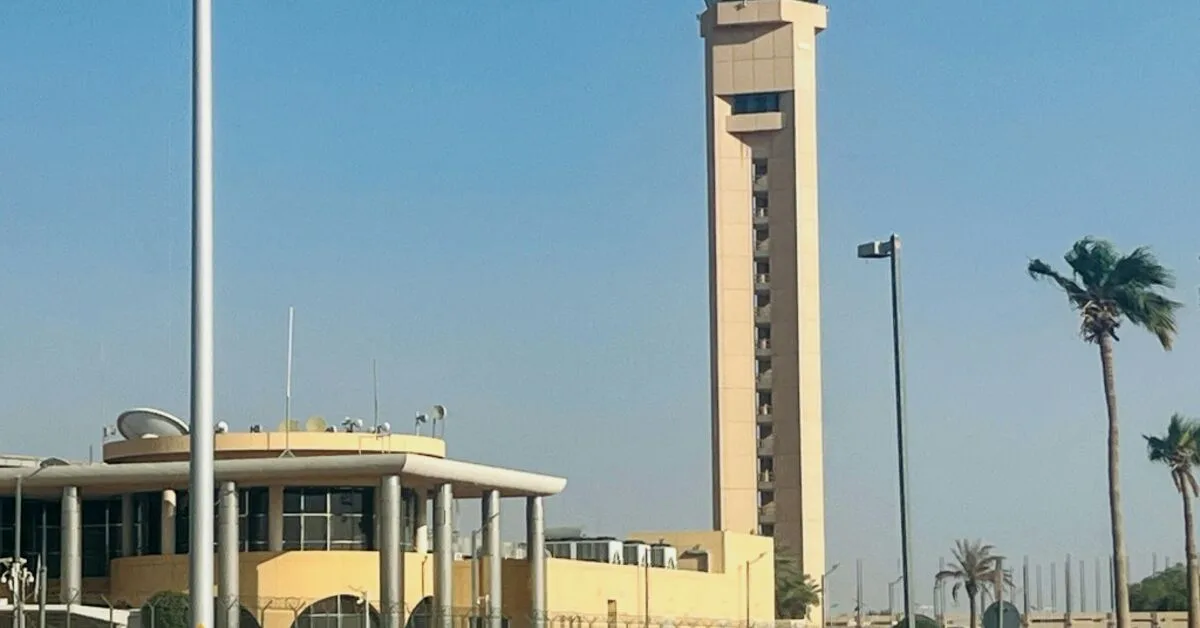
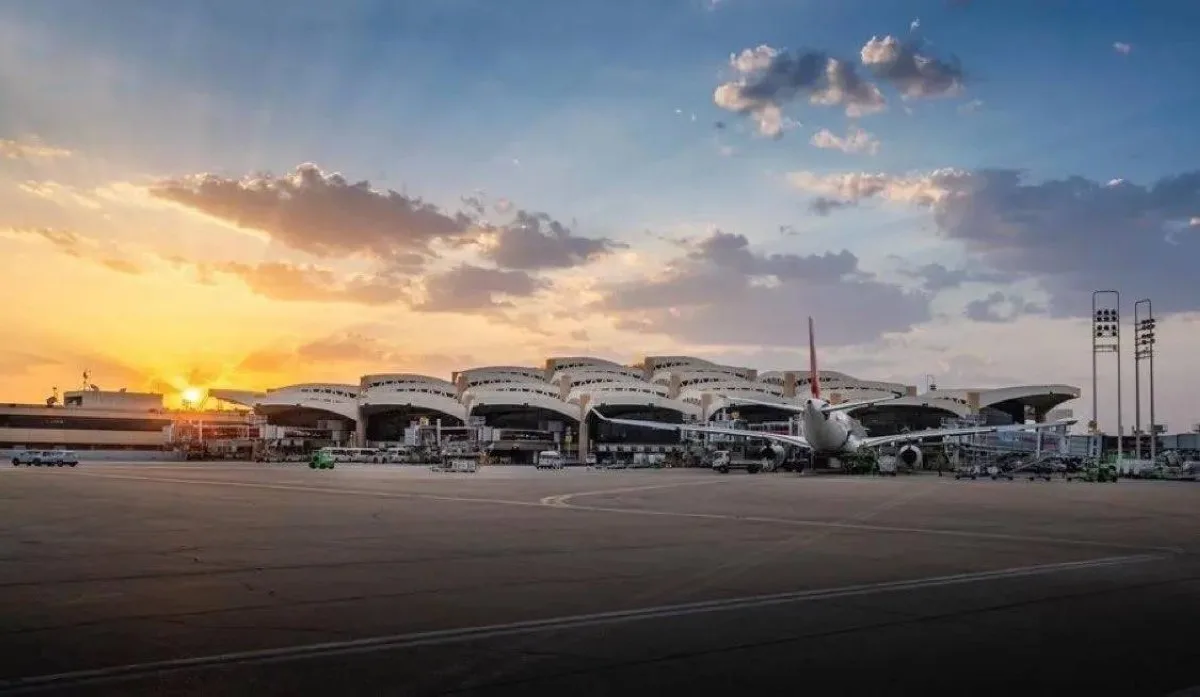
In September, the Houthis took control of parts of Yemen's coastline along the Red Sea, and since then, they have increased their attacks on targets in Saudi Arabia, including the state oil company Aramco and Riyadh International Airport. In last week's attack on Riyadh Airport, 13 people were killed.
In another part of the statement, the foreign ministers of the Arab Gulf states held the Islamic Republic responsible for missile and drone attacks on the member states of the council and Jordan, calling for an immediate and unconditional halt to these attacks and compensation from Tehran for the damages incurred. Iran had also launched missile attacks on the Muwaffaq Salti Air Base in Jordan on September 9 and 10.
Security Negotiations and Arrangements
The council also emphasized that member countries must be present in any negotiations or arrangements related to their security and interests, and any potential agreement with the Islamic Republic cannot be limited to the nuclear issue. The United States government has recently emphasized Iran's commitment to abandoning its nuclear program as a main condition in any potential agreement during exchanges of messages with officials of the Islamic Republic.
J.D. Vance, the U.S. Vice President, also stated on Sunday, October 18, that the United States has achieved a "decisive victory" by destroying Iran's nuclear program, but the war must continue to ensure that the Islamic Republic does not rebuild its nuclear capabilities and that the world does not face an energy crisis.
In the section related to maritime security, the Gulf Cooperation Council called for the return of the Strait of Hormuz to the conditions that existed before the U.S. and Israeli attacks on Iran and condemned any illegal restrictions on the passage of ships, the imposition of mandatory fees, mining, and threats to commercial vessels in the Strait of Hormuz, Bab el-Mandeb, and the Red Sea.
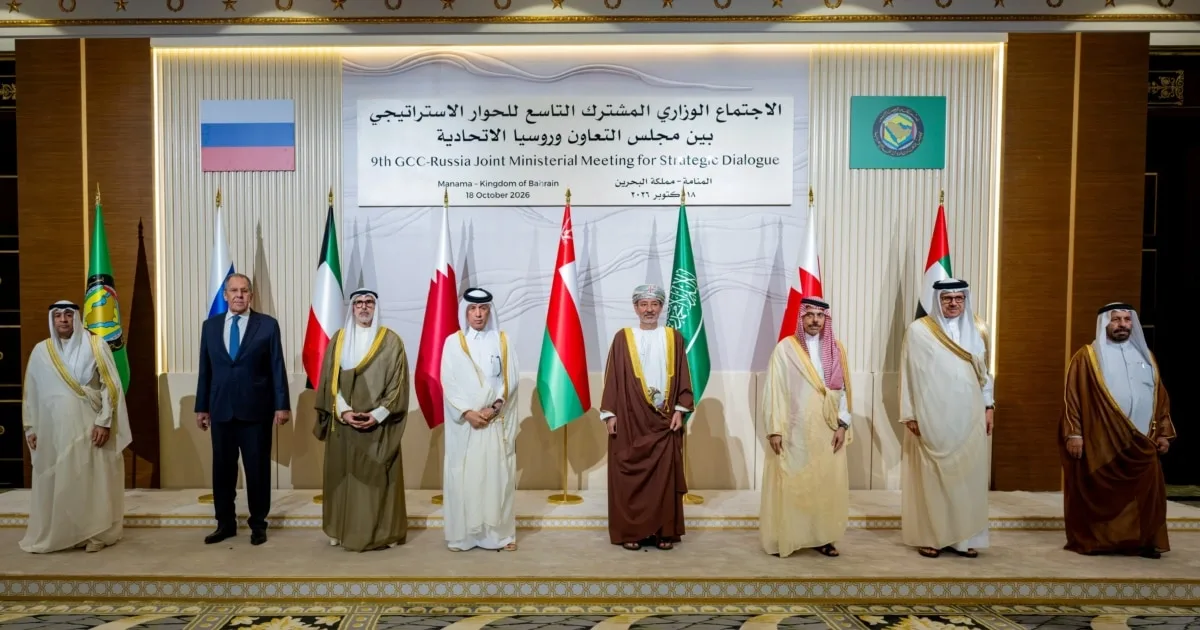
In a related development, on Sunday, the ninth session of the strategic dialogue between the Gulf Cooperation Council and Russia was also held in Manama with the presence of Sergey Lavrov, the Russian Foreign Minister. The member countries of this council urged Moscow to use its influence to encourage the Islamic Republic to stop attacks on regional countries, comply with Security Council resolutions, and ensure freedom of navigation in the Strait of Hormuz.