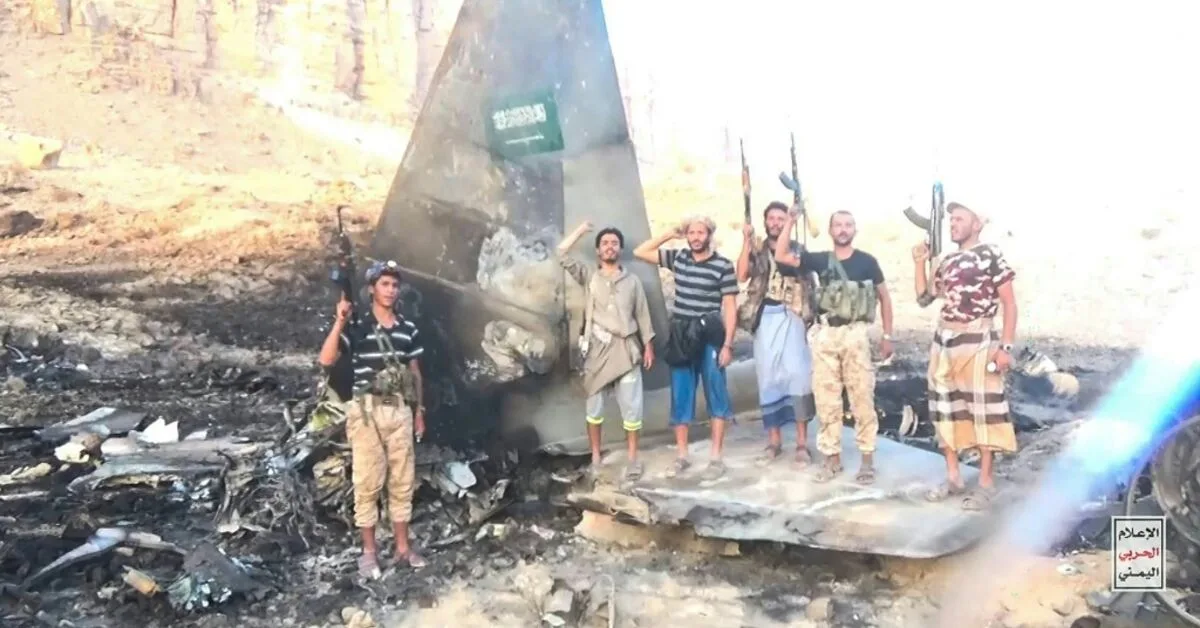
The Houthi advances along the Red Sea coasts of Yemen have created new concerns in the realm of economic and humanitarian security for the country and the region. By controlling the Bab al-Mandab Strait, which is one of the vital points for energy transportation in the Middle East, this Iran-backed group has rapidly managed to seize a vast area within a few days.
Humanitarian and Economic Consequences of Houthi Advances
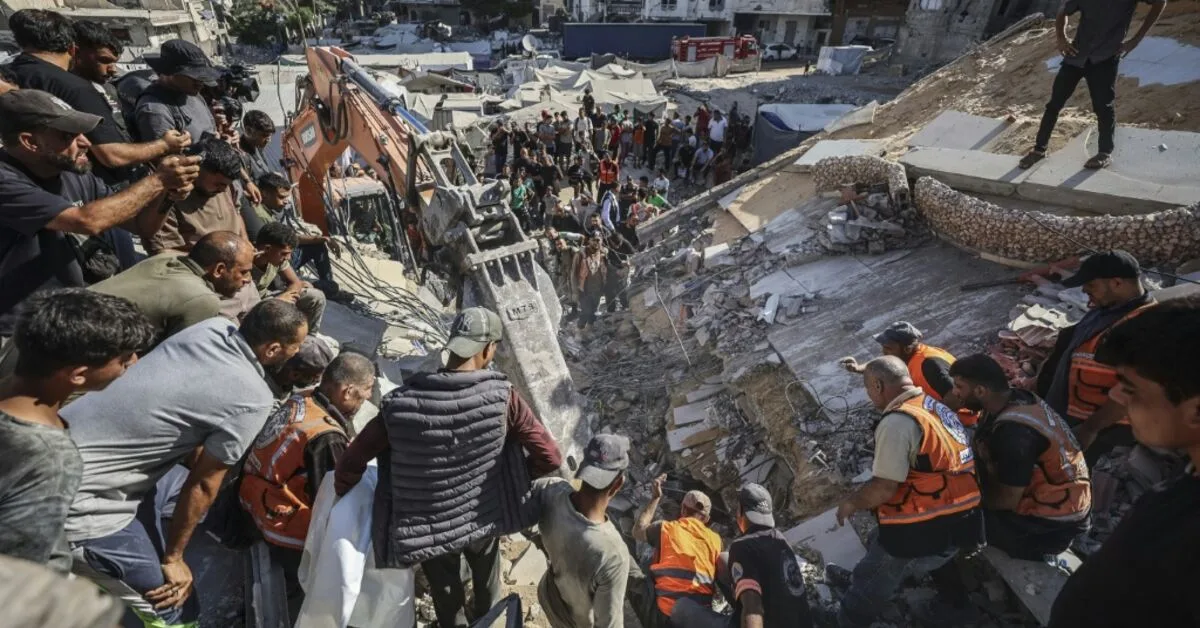
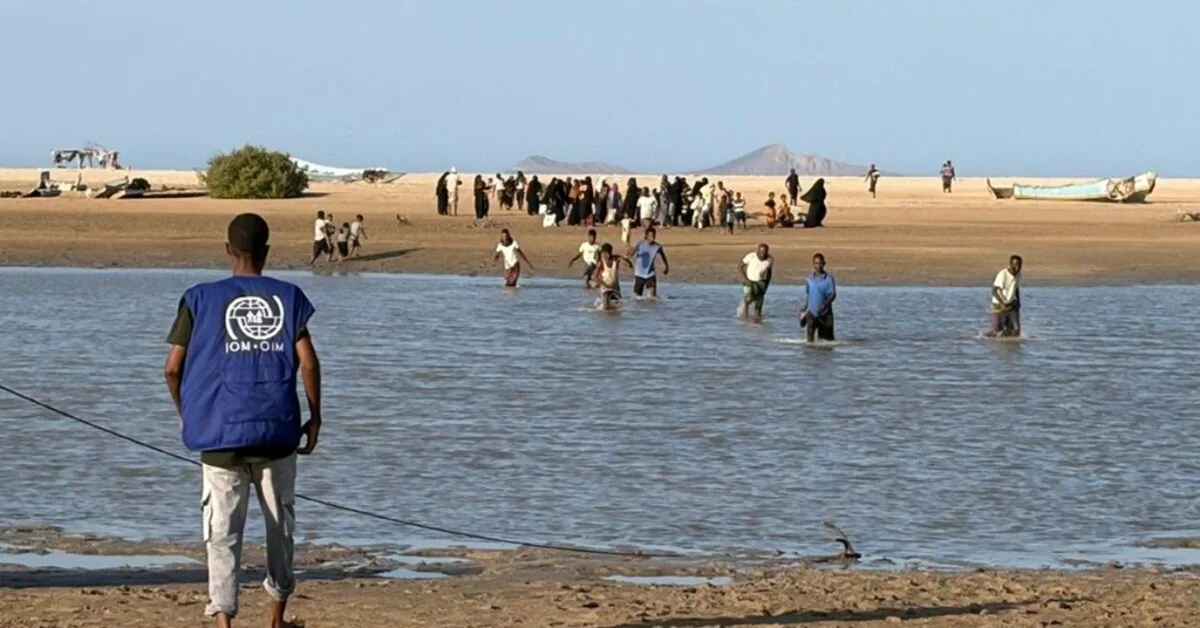
More than 100,000 residents of Yemen have been forced to leave their homes due to these developments. In a country where half of the population relies on humanitarian aid, this displacement has turned into a humanitarian crisis. Meanwhile, by seizing strategic islands and controlling the Bab al-Mandab Strait, the Houthis have increased their influence in the region, which could lead to serious disruptions in global energy supply.
Read more: Abdul-Malik al-Houthi and Military Victories on Yemen's Coasts
Saudi Arabia, due to its indefinite war with the Houthis, is under severe economic pressure. With the closure of the oil pipeline that runs from east to west across the country, the supply of oil to global markets will face serious challenges. Some estimates suggest that a month-long shutdown of this pipeline could result in a reduction of global oil supply by up to 120 million barrels.
New Challenges for Saudi Arabia and Options Ahead
Saudi Arabia, which has previously suffered greatly from the war with the Houthis, now faces two options: negotiate with the Houthis, who have gained more power, or return to a war it had regretted in the past. While some countries like Turkey and Pakistan have not supported their new defense agreement in Mecca, Saudi Arabia is trying to find a way to control the situation.
The Houthis are now independent actors, not merely dependent on Tehran, and share common interests with Iran, indicating fundamental changes in the balance of power in Yemen and beyond. In this context, the international community must focus on a political process in Yemen that not only ensures security but also helps restore sovereignty and independence to the people of Yemen.
Ultimately, Yemenis deserve a government that is not dependent on either Saudi Arabia or Iran. Supporting humanitarian efforts and paying attention to human rights must be prioritized to prevent further crises.
Read more: The United States Emphasized Its Dominance Over Energy Resources at the G20 Energy Summit · Abdul-Malik al-Houthi and the Increase of Military Influence on Yemen's Red Sea Coasts