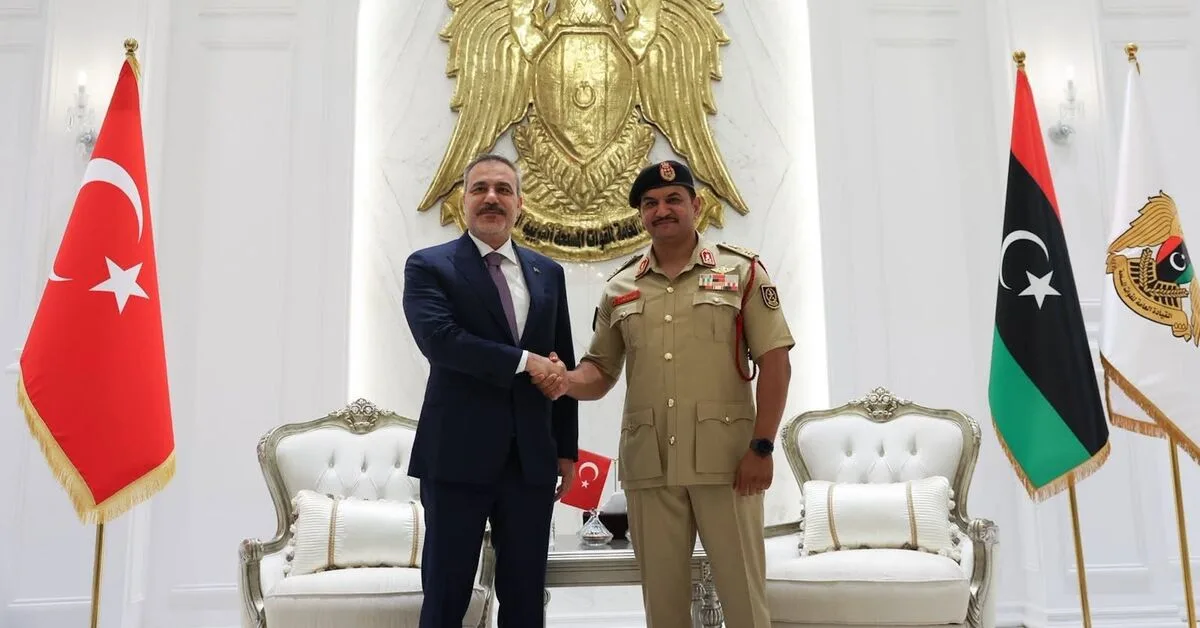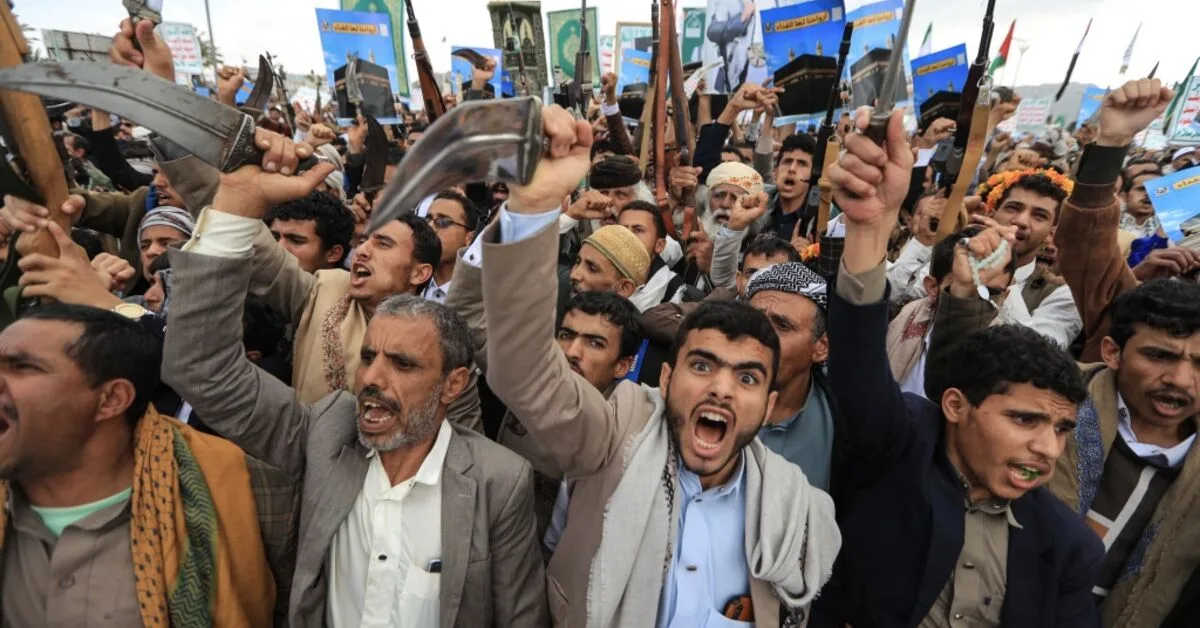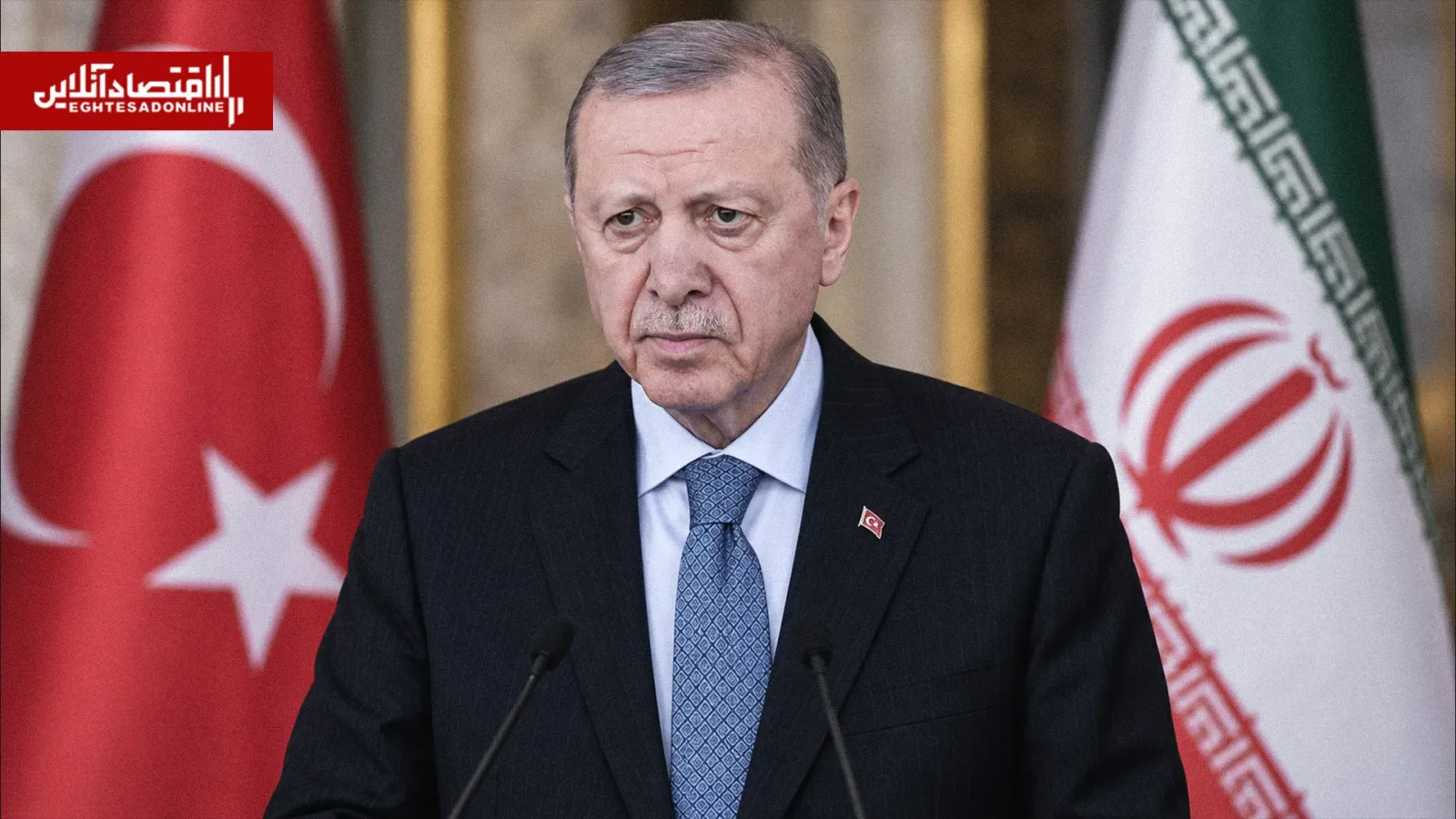
In recent years, Turkey has cooperated with Iran in various fields while also opposing Tehran's regional interests in some cases. Recent restrictions on certain Iranian flights and the cancellation of the license for the Mellat Bank branch in Turkey have raised the question of what path Ankara will choose in its relations with Iran. In particular, the Turkish defense agreement with Saudi Arabia and Pakistan, known as the Mecca Agreement, as well as the escalation of tensions between Saudi Arabia and Ansar Allah, have raised concerns about Turkey's position in regional equations.
Turkey's Approach to Relations with Iran
Analysts believe that Turkey, as a key player in the Middle East, acts not only as a friend but also as a competitor in its relations with Iran. Turkey prioritizes its national interests and at various times sometimes cooperates with Iran and at other times opposes it. For example, the cooperation between Iran and Turkey in the failure of the Kurdish Regional Government's independence referendum is an example of this collaboration. On the other hand, Syria and the fall of Bashar al-Assad's government can be seen as a representation of the competition between the two countries.
Read more: The presence of the Saudi ambassador in Qom and its diplomatic dimensions
Political Messages of Ankara's Decisions
Turkey's recent decisions regarding the cancellation of the Mellat Bank branch's license and air restrictions indicate important political messages. Turkey is currently adhering to part of the U.S. sanctions and has imposed restrictions, particularly in the cargo flight and some passenger flight sectors. This situation indicates that Ankara is trying to send a message to Washington and in a way is signaling for concessions from the U.S. in upcoming negotiations with the country's president.
Impact of the Mecca Agreement on Iran-Turkey Relations
The Mecca Agreement, which refers to military and political cooperation between Turkey and Saudi Arabia, could harm Iran-Turkey relations. Turkey is likely to issue condemnation statements in support of Saudi Arabia in the event of a conflict between Ansar Allah and Saudi Arabia, and may also provide military supplies and advice to Riyadh. This agreement could be economically and politically beneficial for Turkey, but it also brings internal sensitivities.
Overall, it is expected that Turkey will not send military forces to Saudi Arabia or Yemen, but will be active in the fields of armaments and advisory roles. This approach allows Ankara to exploit the political and economic benefits of the agreement while avoiding direct involvement in conflicts and internal tensions.
Read more: Peshawar police: Deadly clash with suspects, a notorious criminal killed · Iran ranks eighth in the medal table on the eighth day of the Asian Games