The situation of Palestinians in Gaza and the West Bank after the recent Israeli elections has become one of the important topics. Despite the holding of these elections, many Palestinians do not hope for real and positive changes, and concerns about the consequences for their daily lives have increased.
Concerns in Gaza
Huda Al-Houli, a displaced resident from Khan Younis in Gaza, said about the recent elections: "We are afraid of this election that a worse leader might come to power." She added that such an outcome would only lead to a "more destructive and devastating" situation in the Palestinian territories. Al-Houli, however, expressed hope that a "human voice" would emerge in Israeli society and call for an end to the conflicts.
Doubts in the West Bank
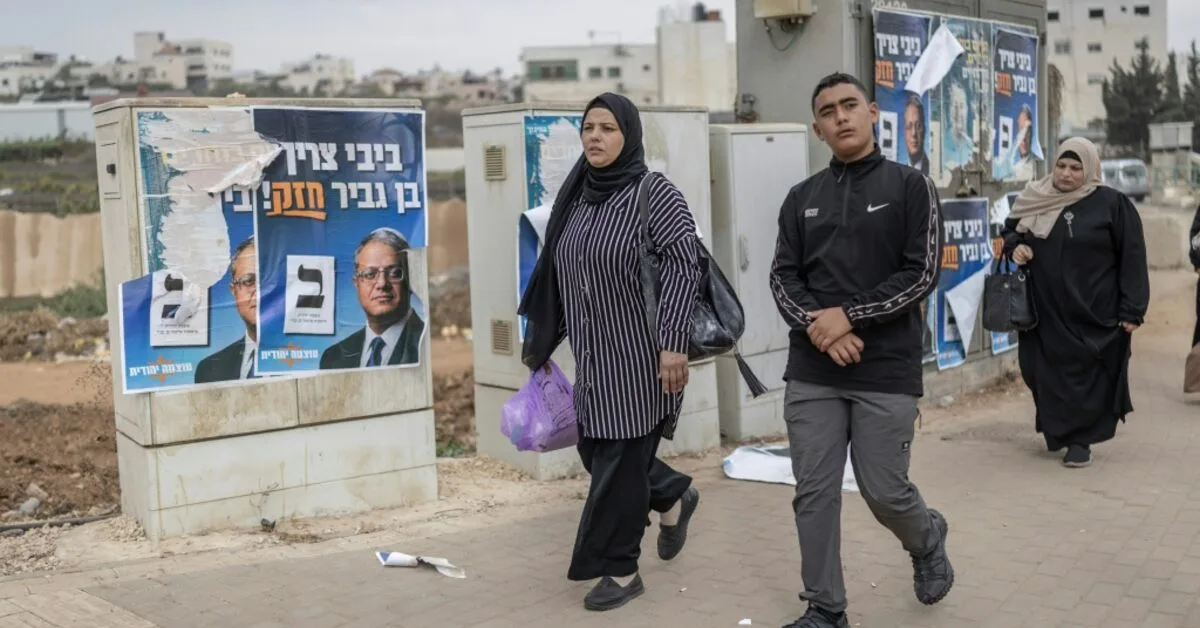
In Ramallah, Ahmad Awad, 67, also has doubts about the election results. He said: "Whatever the outcome, even if politicians change, in my opinion, there will be no fundamental or dramatic change in policies regarding the Palestine-Israel conflict." With 85 percent of the votes counted, Benjamin Netanyahu's camp remains in the lead, but without a clear majority, the future of the Israeli government is shrouded in uncertainty.
Potential Consequences of Political Changes
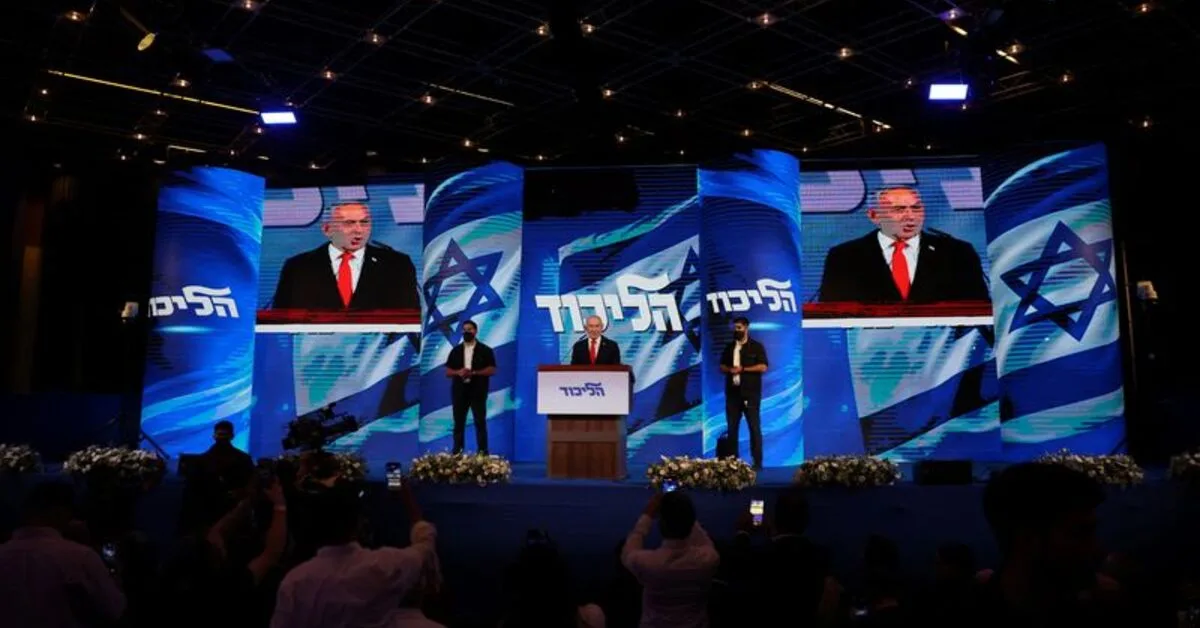
The recent elections were the first held after Hamas's attack on October 7, 2023, and follow years of right-wing and extremist rule that has been accompanied by war in Gaza and increasing violence from settlers in the West Bank. Netanyahu has several options for his political survival: renewing alliances with right-wingers, forming a broader coalition, or facing another political deadlock.
Itamar Ben-Gvir, the right-wing minister, has also clearly stated that if the current coalition remains, he will seek to take over the Ministry of Defense and expel the population of Gaza. Abdullah Abu Rahma, 54, from Ramallah, said about the future: "Whatever happens, it will definitely be better than what we have experienced in recent years." However, he warned that if Netanyahu remains in his position, any coalition he forms will continue down a similar path.
Future Outlook
Research indicates that a government led by Gadi Eisenkot, the former army chief, could have more control over the influence of pro-settlement right-wingers and reduce pressure on the Palestinian Authority. This change could lead to a more flexible approach regarding aid and ceasefires in Gaza, but fundamental changes or a transformation in issues related to Palestinian independence and the peace process seem unlikely.
Yusuf Munayer, director of the Palestine-Israel program at the Arab Center in Washington, stated that even Netanyahu's defeat could worsen the situation for Palestinians in the short term. He said: "There is every reason for Palestinians to be concerned." According to him, Eisenkot himself served in the Israeli war cabinet during the assault on Gaza.
In Gaza, Adnan Al-Asar also looks to the future with pessimism, saying: "Netanyahu may win, but whatever happens, they all act under a general policy against the Palestinian people." This situation reflects the deep uncertainty and concern of Palestinians about the political future in the region.
Read more: Israel's Interim Prime Minister, Benjamin Netanyahu Faces New Challenges · The United States Issues Visa to Flavio Bolsonaro