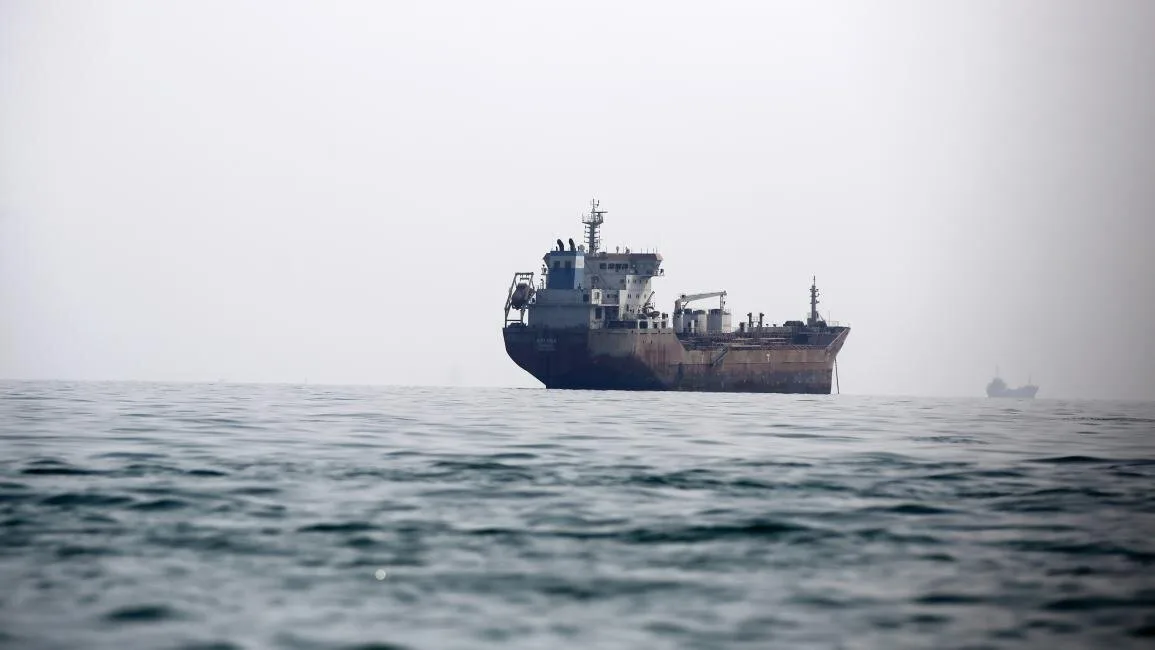
The crisis in the Strait of Hormuz has seriously affected the oil revenues of Gulf countries. The surge in maritime transport costs and the increase in insurance premiums due to the risk of war in this waterway have created costly conditions for shipping, turning into a threat to the competitive advantage of these countries' oil in global markets.
Rising Costs and Pressure on Oil Producers
The salaries of captains of oil tankers passing through the Strait of Hormuz have increased to $100,000 per month, with a $50,000 hazard bonus for each trip. The cost of insuring ships has also reached 7.5 to 10 percent of their value. This increase in costs, along with the surge in ship rental prices and fuel costs, has put additional pressure on oil producers.
Read more: Asian Countries' Dependence on Middle Eastern Gas
Competition Among Gulf Countries to Reduce Dependency
Gulf countries are striving to enhance their logistical flexibility and reduce their dependency on the Strait of Hormuz. For example, Abdulaziz bin Salman, the Saudi Minister of Energy, announced that Riyadh intends to increase the capacity of oil pipelines out of the Gulf to 10 million barrels per day. This goal is pursued through the development of the East-West pipeline and collaboration with Aramco.
Disruptions in maritime routes have a direct impact on the oil export economy of Gulf countries. The costs of transporting oil are continuously rising, leading to a decrease in exports in various countries. For instance, at the peak of the closure of the Strait of Hormuz, Iraq's oil exports fell by 82 percent and Kuwait's oil exports by 81 percent.
Iraq, in particular, suffers from the lack of logistical infrastructure and offers discounts on oil sales to attract buyers. This situation may also lead to rising prices in the global market and intensify inflationary pressures, especially in oil-importing countries.
Given the military threats in the Strait of Hormuz, it is expected that tanker rental and insurance costs will increase. Economic experts believe that this crisis may continue until the end of this year, although it may improve through international agreements.
Read more: Amin Nasser: Attacks on Energy Infrastructure Threaten the Global Economy · Iran Increases Attacks on Ships in the Strait of Hormuz by Changing Tactics