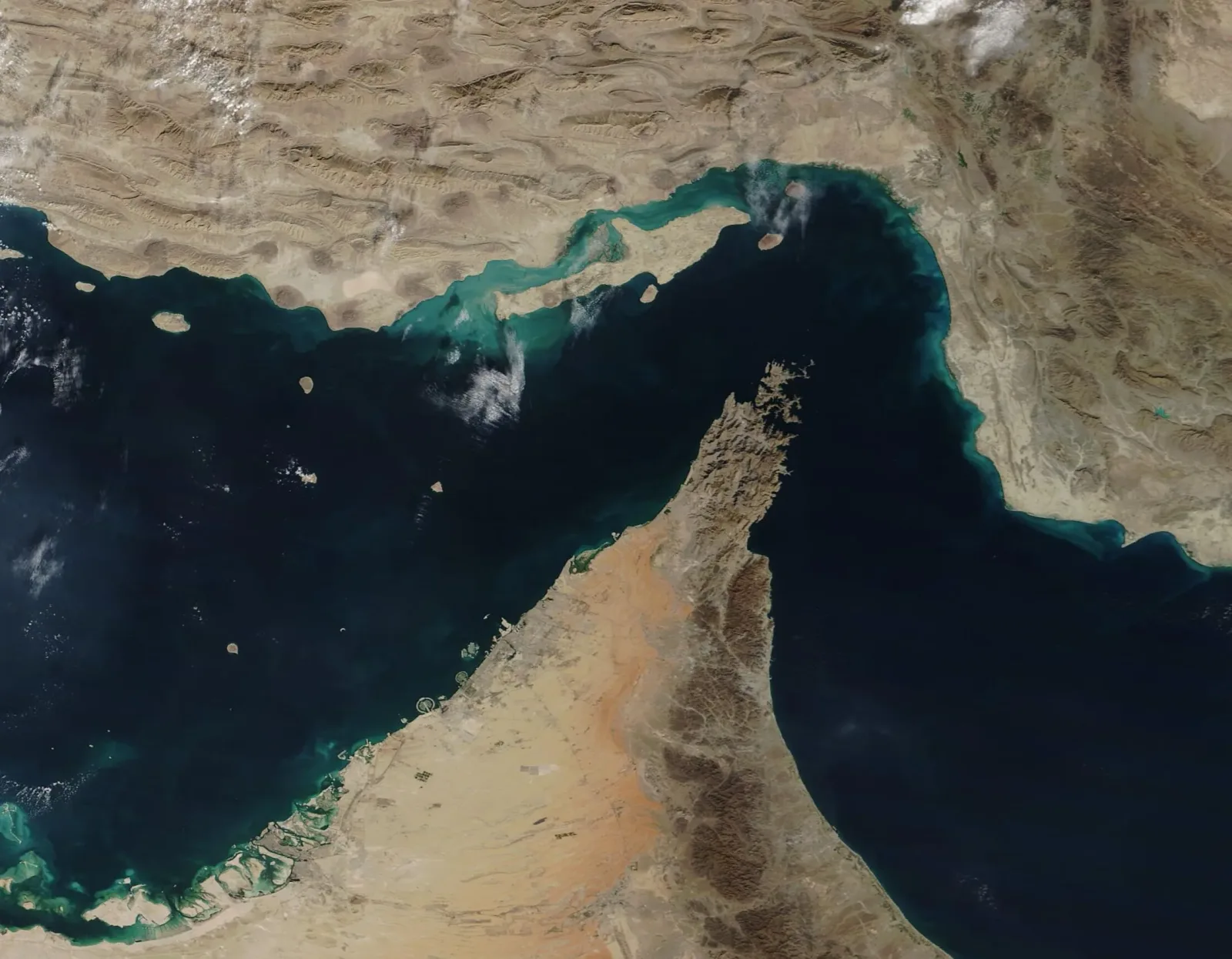
The regional meeting in Oman, attended by the Gulf coastal countries, became a unique opportunity for discussion and exchange of views on the Strait of Hormuz. This region, recognized as one of the most critical maritime routes in the world, has always been at the center of regional and international diplomacy. In this meeting, officials from various countries examined the challenges posed by U.S. interventions in the internal affairs of the region.
Challenges of U.S. Interventions
U.S. interventions in the Persian Gulf, especially in the Strait of Hormuz, have always been a point of contention among the countries in the region. In this meeting, officials discussed strategies to counter these interventions and strengthen bilateral and multilateral cooperation. The presence of representatives from various countries at this meeting reflects their strong determination to protect their national and regional interests.
Oman, as the host of this meeting, played an important role in facilitating discussions and creating an interactive atmosphere among the countries in the region. This country, with its neutral policies and active diplomacy, seeks to establish stability and security in the region. In this context, the emphasis on the necessity of increased cooperation among the Gulf coastal countries and reducing tensions in the Strait of Hormuz was presented as one of the main objectives of this meeting.
The Future of the Strait of Hormuz
This meeting seems to not only strengthen relations among the Gulf countries but also could pave the way for a transformation in regional diplomacy. Given the importance of the Strait of Hormuz in global trade and energy supply, this meeting can be regarded as a turning point in the history of Gulf diplomacy. The participating countries emphasized that through dialogue and cooperation, they should contribute to creating sustainable security in this sensitive region.