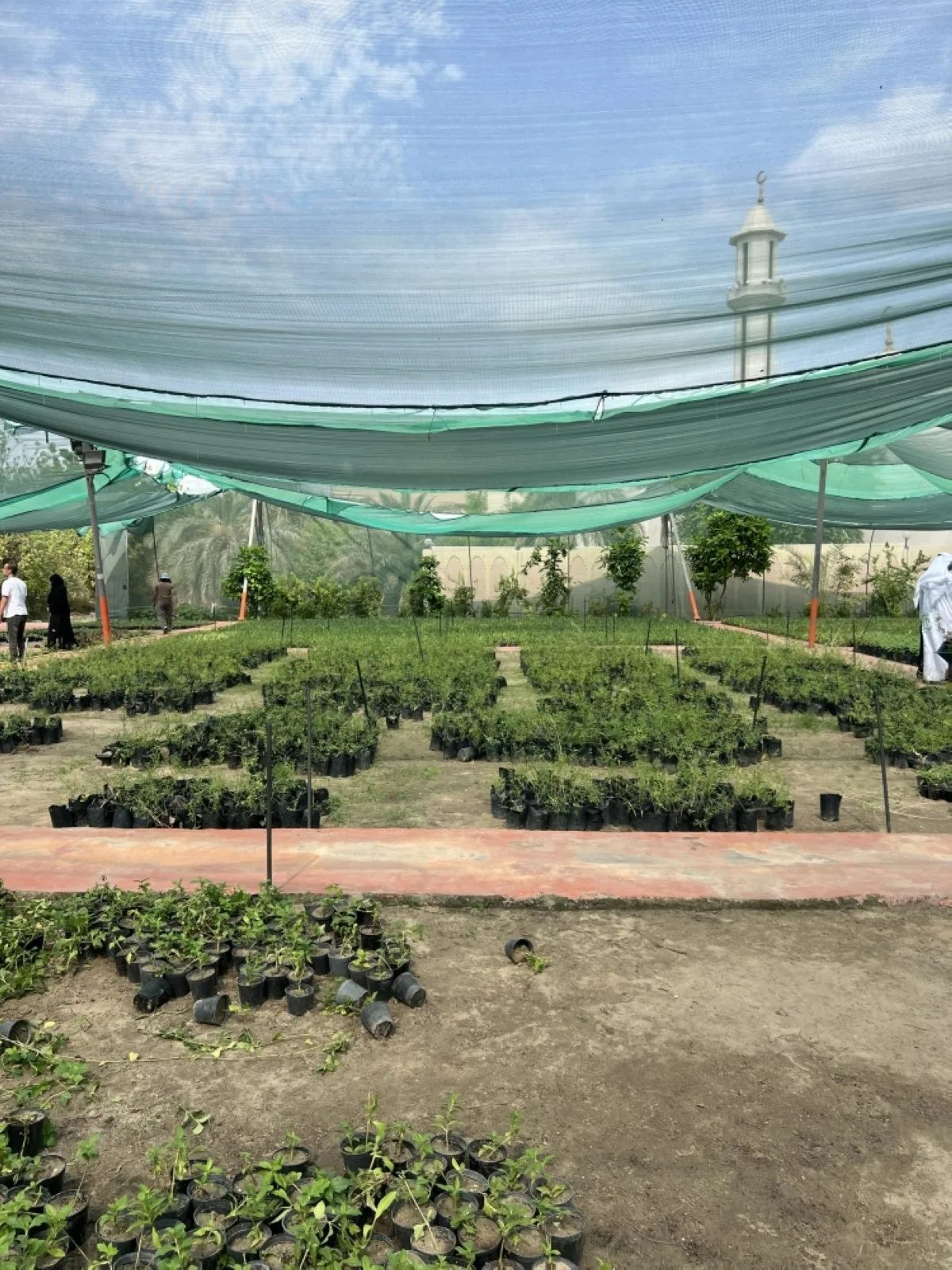
The Sultanate of Oman, by participating in Arab Agricultural Day, emphasized the importance of sustainable pastures as a key pillar of sustainable agricultural development and the preservation of natural resources for future generations. This day particularly addressed the vital role of pastures in supporting livestock farming and the sustainability of rural and nomadic communities.
Challenges and Necessities of Sustainable Pasture Management
The Sultanate of Oman, considering the increasing challenges arising from climate change, such as rainfall fluctuations, rising temperatures, and water scarcity, emphasizes the importance of strengthening sustainable pasture management. Engineer Mansour bin Hamoud Al-Wadhaifi, Director General of the Agricultural Development Department at the Ministry of Agricultural Wealth, Fisheries, and Water Resources, stated that this year's Arab Agricultural Day slogan reflects the truth that sustainable agricultural development is based on land, water, and natural resources.
Read more: British Rainforests: An Unforgettable Experience
He also pointed out that natural pastures are one of the most important resources that provide the connection between humans and land and livestock farming. These resources not only provide food for livestock but also help preserve vegetation, soil, and biodiversity, and provide income and livelihoods to rural communities.
Oman's Laws and Initiatives for Sustainable Pastures
The Sultanate of Oman, with its environmental and geographical diversity, has created various patterns of pastures and livestock systems. Attention to natural pastures in this country has been ongoing for years due to their importance for livestock farming and the environment. For example, the issuance of the Pasture and Livestock Management Law under Royal Decree No. (8 /2003) reflects Oman's commitment to preserving these resources.
This law introduces natural and cultivated pastures as public assets of the country and assigns the responsibility for their restoration and protection to the relevant authorities. Additionally, with Ministerial Decision No. (1 /2025), legal updates in pasture management have been implemented.
The Sultanate of Oman has also implemented actions for sustainable pastures, such as the pasture rest plan in Dhofar Governorate. This plan was introduced on the sidelines of the sixteenth conference of the parties to the Convention to Combat Desertification held in December 2024 in Riyadh. The goal of this plan is to manage pasture resources and reduce their degradation.
The Director General of the Agricultural Development Department emphasized that pasture management must shift towards a preventive and monitoring-based approach, and the use of modern technologies such as remote sensors, geographic information, and climate data is essential to accurately assess and manage pasture conditions.
The number of livestock in Oman reached about 4 million heads in 2024, and local productions, including 51 thousand tons of red meat and 241 thousand tons of fresh milk, demonstrate the importance of pastures and livestock farming as part of sustainable agricultural development in this country.
The challenges facing Arab pastures extend beyond national borders, and issues such as drought, desertification, and climate change require cooperation and exchange of experiences among Arab countries. Strengthening cooperation for the exchange of data and successful experiences in pasture management is essential to support the sustainability of pasture resources.
Read more: A Storm is Coming: Named Storm Paths in the Gulf and the Pacific Ocean · The Sultanate of Oman to Host the 23rd Global Wind Energy Conference in 2027