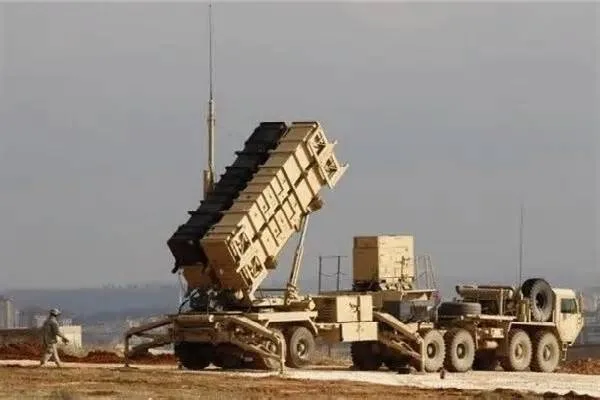
The United States, by deploying Patriot air defense systems in Saudi Arabia and Qatar, aims to enhance the security of the energy infrastructure in these countries. This action is taken to reassure Riyadh and Doha amid the possibility of retaliatory attacks on the energy facilities in these regions if extensive military operations against Iran resume.
Importance of Energy Infrastructure Security
Recent developments in the Persian Gulf indicate that the energy infrastructure in this region is severely at risk. In March, missile attacks on the Ras Laffan complex in Qatar caused significant damage to two LNG production units, drastically reducing the country's export capacity. This situation highlights the critical importance of protecting energy facilities, especially in unsafe conditions.
Additionally, Saudi oil facilities have also been targeted. The September 10 attack on the East-West pipeline clearly demonstrated the importance of this strategic route, which facilitates the transfer of oil to the Red Sea. These issues further underscore the necessity of deploying air defense systems.
Consequences of Deploying Patriot Systems
The deployment of Patriot systems is not limited to increasing the number of air defense equipment; it also relates to the protection of critical energy nodes. Damage to a processing unit, a pressure boosting station, or export terminals can have devastating effects on the energy supply chain. Especially for Qatar's LNG, where the Ras Laffan complex plays a key role with its high production and export capacity, protecting these vital facilities is essential.
In Saudi Arabia, the existence of alternative routes like the East-West pipeline is an advantage, but recent attacks have shown that this alternative capacity is only effective if the infrastructure is well protected. From a technical perspective, the Patriot system is part of a layered defense and cannot guarantee complete protection of an energy complex on its own. Effective protection requires a combination of early threat detection, air and missile defense, and comprehensive security measures.
These actions indicate that the United States considers the protection of its allies' energy infrastructure a priority in its military calculations. This issue is particularly significant for Saudi Arabia and Qatar, which have serious concerns about the vulnerability of their energy facilities.
Moreover, despite the increase in oil and LNG exports, these flows remain dependent on security conditions. This indicates that the main issue is no longer just the "closure or opening of the Strait of Hormuz," but also the reliability of infrastructure in unsafe conditions is of great importance.
Ultimately, the deployment of Patriot systems also carries a political message. With this action, the United States seeks to alleviate its Arab allies' concerns about the vulnerability of energy facilities, which could help maintain their operational cooperation in critical situations. The increased U.S. military presence around energy infrastructure indicates that security risks for the oil and gas market are still taken seriously by Washington.