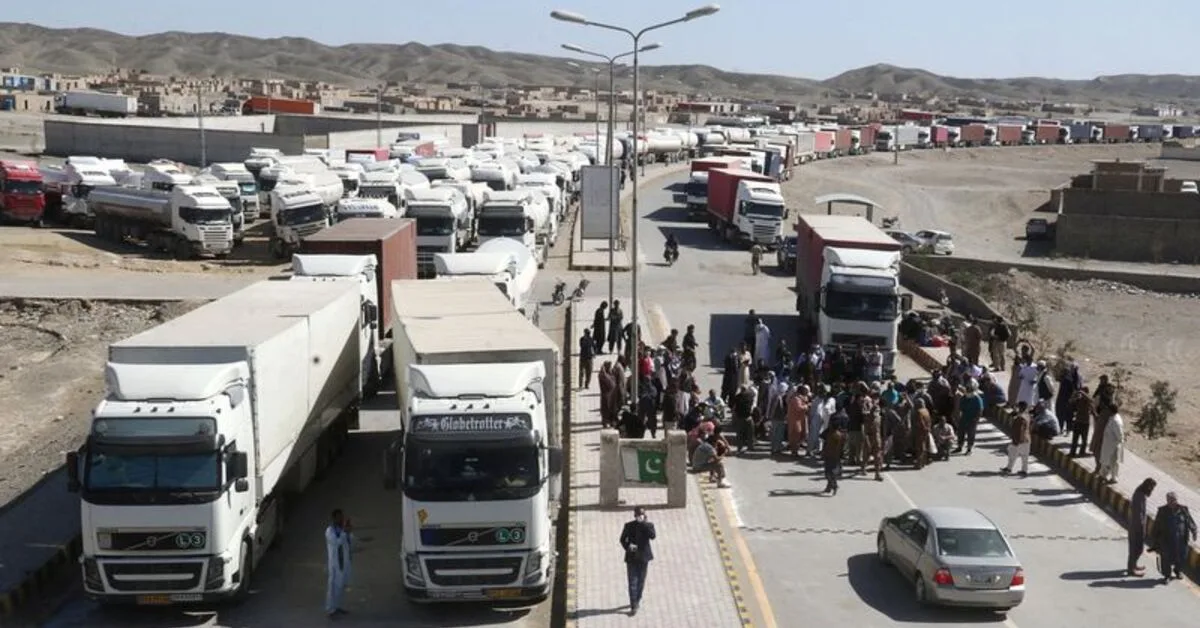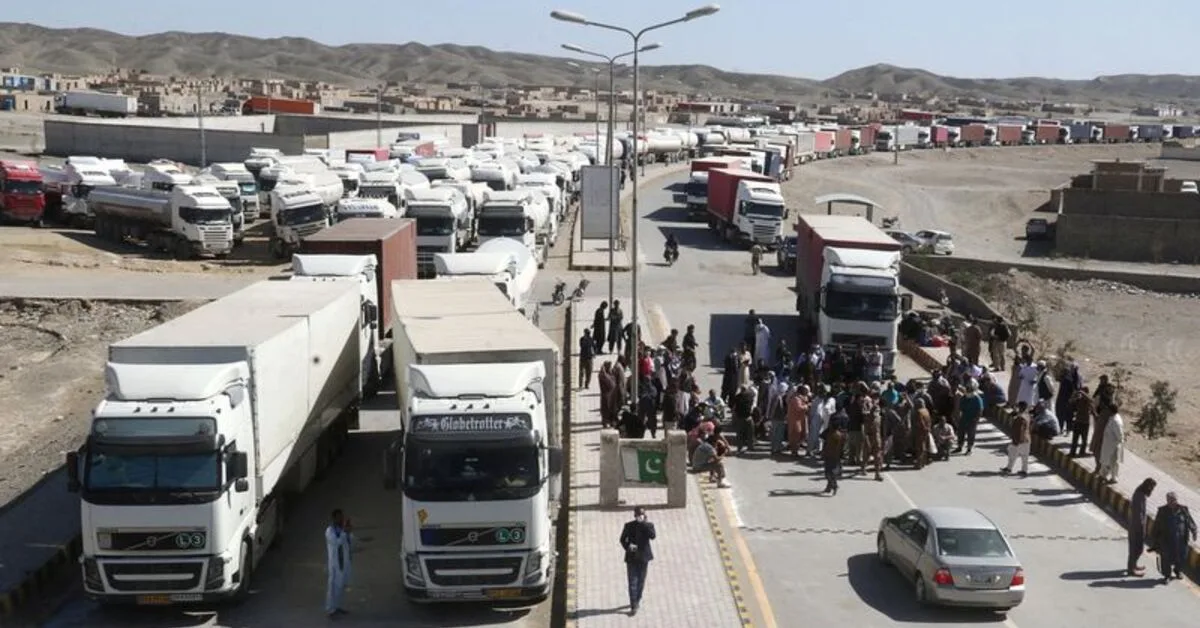
The United States has initiated a new operation to restrict Iran's ground trade by forming a special task force named the 'Iron Gate Task Force.' This special force, which will be based in Tampa, Florida, has been established to monitor the transfer of advanced weapons and sanctioned materials through land borders and the Caspian Sea.
Details of the Iron Gate Task Force
This special force will specifically focus on preventing the transfer of dual-use weapons and technologies that could be utilized in Iran's military activities. The Iron Gate Task Force is also seeking to limit illegal revenues that, according to Washington, contribute to financing terrorism and the reconstruction of Iran's arms factories.
Read more: Two missiles hit Iran's Qeshm Island
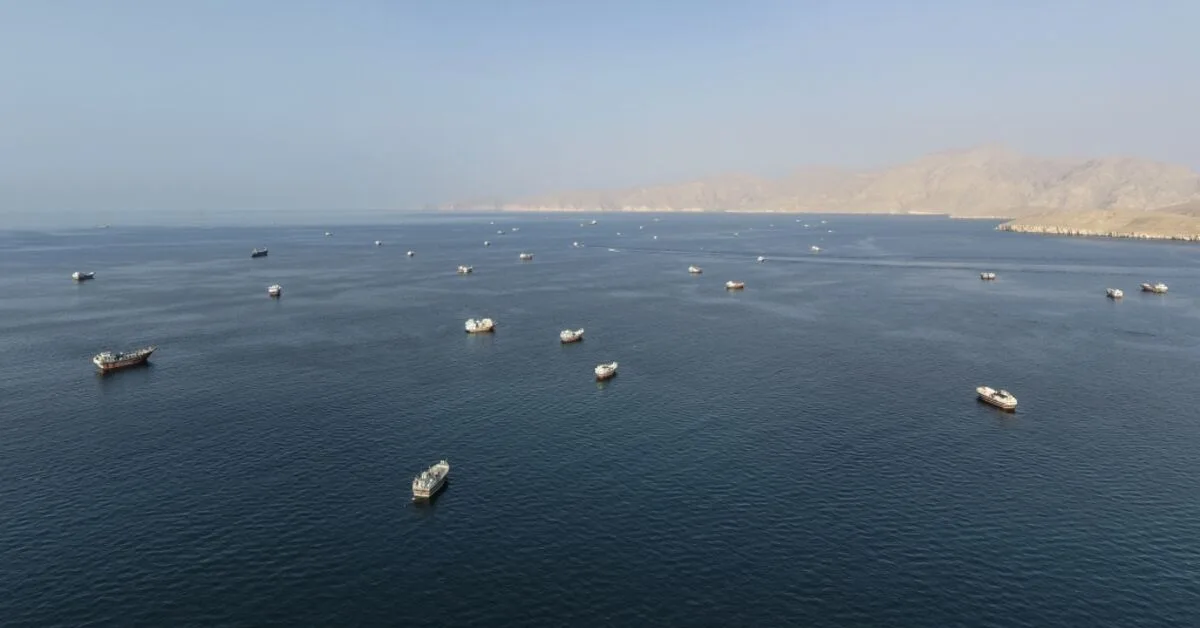
The establishment of this special force reflects the ongoing efforts of the United States to increase pressure on Iran, especially following the onset of war with the Islamic Republic over the past eight months. Despite serious damage to Iran's conventional military and severe restrictions on the country's oil exports through the Strait of Hormuz and the Arabian Sea, Iran remains a significant threat to the region.
Covert Networks and Arms Trade
Investigations indicate that Iran has utilized a covert network of military entities to import at least $2 billion worth of equipment, explosives, and heavy trucks since the beginning of 2025. These activities have been conducted by circumventing U.S. sanctions and Western restrictions.
According to these investigations, the necessary materials have been imported to Iran via cargo ships from the Caspian Sea from Russia, trucks from Central Asia, and cargo planes from China. These conditions demonstrate Iran's high capability to evade sanctions and continue its military activities.
The U.S. Central Command has stated that the special force will continue to coordinate with other government entities. According to a U.S. military official, this cooperation will involve the Department of the Treasury, the Department of State, and the Department of Justice, designed to enhance intelligence and military collaboration.
Admiral Brad Cooper, the commander of U.S. Central Command, has noted that these collaborations will help reduce Iran's ability to finance terrorism and rebuild its weaponry. Additionally, U.S. Central Command has estimated that the country’s maritime restrictions have prevented the export of over $25 billion worth of Iranian crude oil.
However, Iran has shown resilience in the current situation and seems to be somewhat pleased following the results of the U.S. midterm elections, which were unfavorable for Trump's Republican Party. U.S. officials, such as Joe DeVance, the Vice President, have attributed the war with Iran as a cause of electoral defeats and appear to be considering its implications.
Efforts to end the war between Iran and the United States have intensified in recent days, with concerns rising that this war may reignite after the U.S. midterm elections. Trump has threatened that a new attack against Iran may occur, which has put Gulf states on alert.
U.S. intelligence reports in recent months have indicated that renewed attacks on Iran will not fundamentally impact Iran's negotiating position and will not lead to the collapse of the Iranian government.
Read more: General Hossein Mohibi's response to CENTCOM commander's statements and Iran's economic developments · Qatar's two-day plan to reduce tensions between Iran and the U.S.