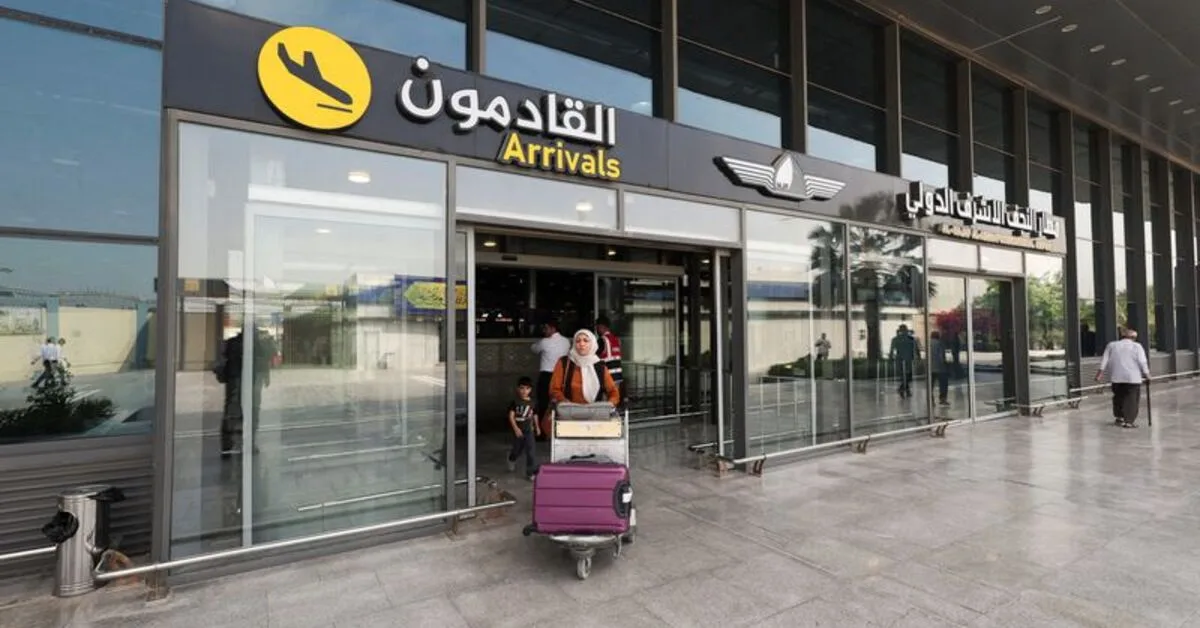
The United States government, led by Donald Trump, will grant a limited exemption from its Iran sanctions program for flights of Shia pilgrims between Iran and Iraq on Monday. This news has been reported by a source familiar with the relevant negotiations.
Details of the Sanctions Exemption
According to received information, the exemption from the U.S. Treasury Department allows Iraqi Airways to operate round-trip flights between Iran and the holy city of Najaf in Iraq for one month. This action is considered a temporary measure, and a more permanent exemption is likely to be offered in the near future.
Read more: Iran and New U.S. Sanctions on Airlines
Iraq was seeking to halt flights to and from Iran, which aligned with U.S. sanctions. This action aims to relieve pressure on the Iraqi government led by Ali Al-Ziyadi, which is trying to strengthen its relations with Washington while maintaining strong ties with its influential neighbor, Iran.
Social and Economic Implications
Trump's efforts to impose a severe economic blockade on Iran have forced regional governments to reduce their relations with Tehran, which could have negative consequences for those countries, especially for those that continue to balance their relations with Washington and Tehran.
Al-Ziyadi's office announced over the weekend that Iraq is seeking an exemption for travel between Iran and Iraq for medical treatment, education, and pilgrimage. An Iraqi official also stated that the Iraqi government is in discussions with the United States regarding the Najaf exemption and expects flights between Iran and Najaf to resume within the next 48 hours.
The U.S. State Department has referred questions to the Treasury Department, which did not respond to requests for immediate comment.
In recent days, countries including Turkey, the United Arab Emirates, and Iraq have canceled their direct flights with Iran due to U.S. pressures. In response, Iranian officials have threatened to halt regional air travel if Iran's air connections continue.
Given the annual travel of Shia pilgrims between Iran and Iraq to visit holy cities, Iraq finds itself in a sensitive position. Najaf, as a center of religious education, attracts millions of pilgrims each year to visit the shrine of Imam Ali, the first Shia leader and the largest and oldest Islamic cemetery in the world.
A knowledgeable source has also emphasized that the ban on flights between the two countries could provoke a strong backlash against the Iraqi government and unite Shia followers of Iran's Supreme Leader and Ayatollah Ali Sistani, undermining U.S. efforts to reduce Iran's influence in Iraq.
Al-Ziyadi has suggested measures to ensure flight safety, including thorough inspections and information sharing, as well as ensuring that flights are not used for transporting weapons, sanctioned individuals, or illegal funds.
Read more: Iran and the United States Dialogue Evaluated Positively · Brazil and the Electoral Challenges Facing Luiz Inácio Lula da Silva and Flávio Bolsonaro