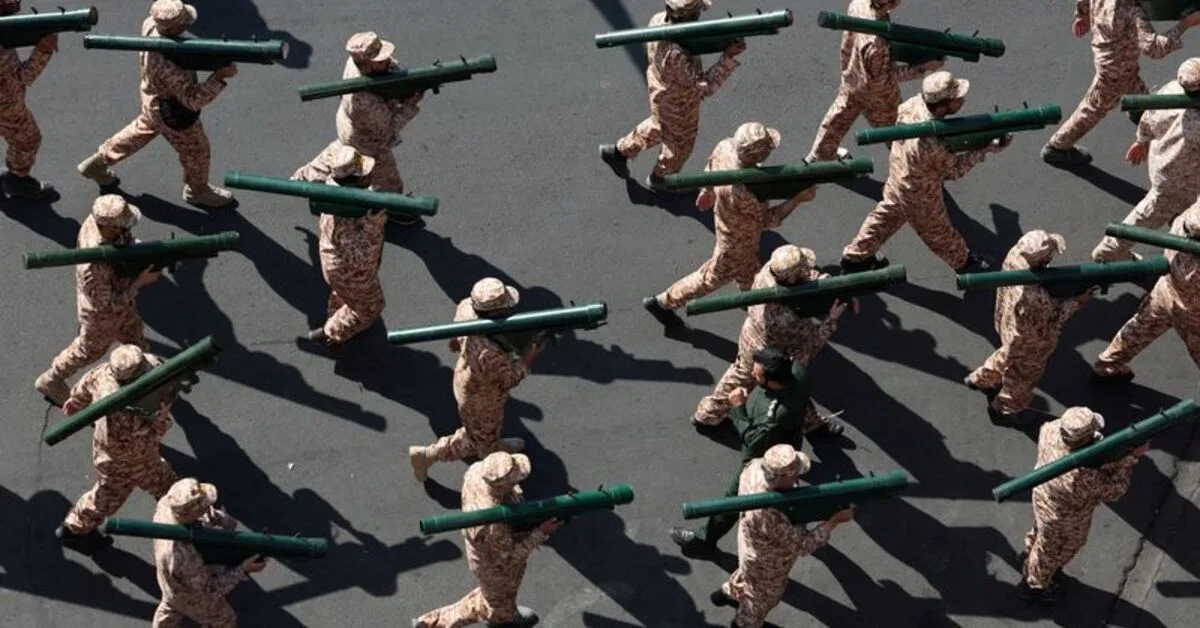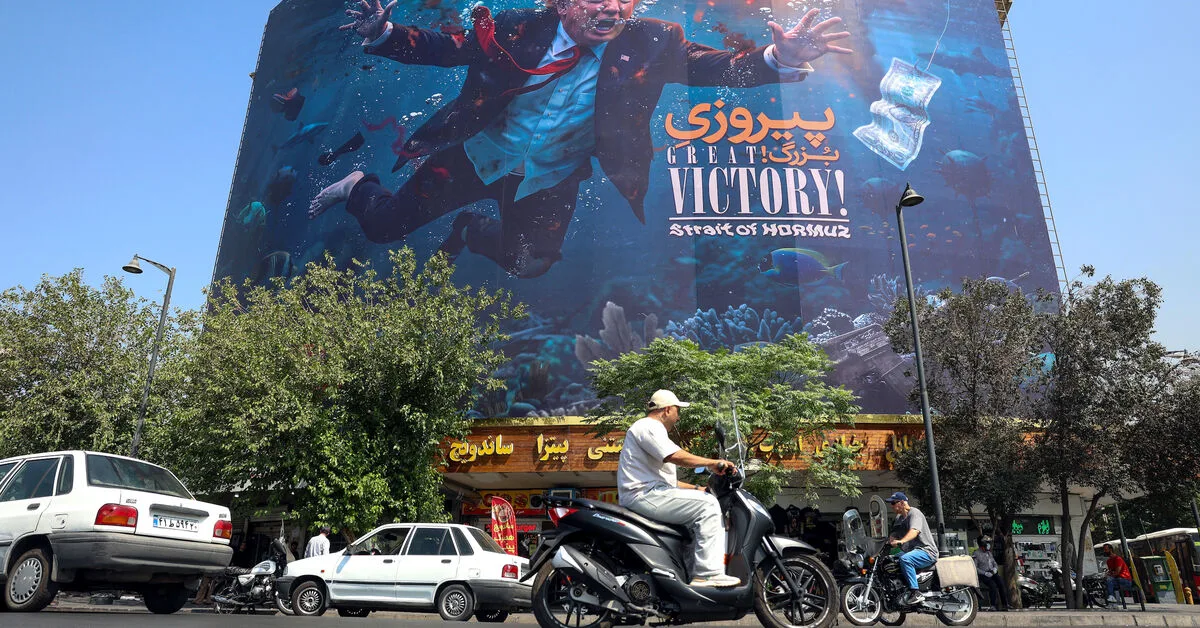
The U.S. government is planning an attack on Iranian targets in light of recent developments in the Middle East and as the midterm elections approach. This decision comes as the U.S. has refrained from attacking Iran for several weeks after months of intermittent conflicts.
Political and Economic Impacts
The relative calm in the region coincides with the campaign season in the U.S. reaching its final stage. As election day approaches, speculation about the possibility of a military attack on Iran has increased. Analysts believe that Donald Trump, the President of the United States, may prefer to avoid any military action until November 3 to prevent voters' attention from being drawn to an undesirable war. This war could have negative impacts on Republican candidates nationwide.
White House Directive to the Pentagon
However, the scenario of not attacking Iran is not certain. According to two government officials, the White House has instructed the Pentagon to prepare options for attacking Iranian targets. This planning reflects the President's efforts to reduce gasoline prices and provide tangible progress in this conflict before voters head to the polls. In fact, this action may be seen as an electoral strategy to influence voter opinion.
In this context, experts believe that any military action could be viewed as a trump card for Trump in the electoral competition. On the other hand, this could lead to increased tensions in the region and unintended consequences that would impact U.S. national security and the stability of the Middle East.
Overall, the decisions and actions of the U.S. government regarding Iran not only affect the internal situation of the country but could also have wide-ranging implications for international relations and global security. This issue becomes even more significant as tensions in the Middle East have reached their peak.
Read more: The U.S. government warned Iran about an attack on Fly Dubai flight · The status of Iran's uranium enrichment program under the supervision of the United States and Israel