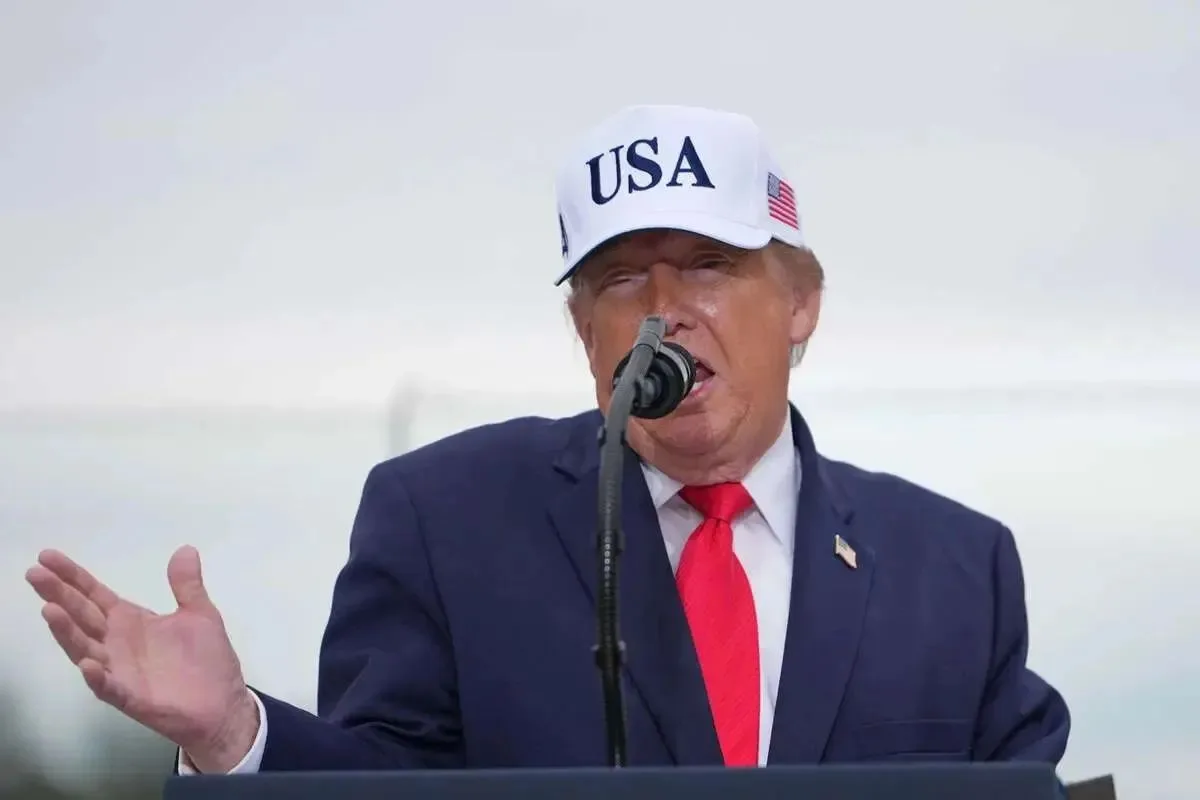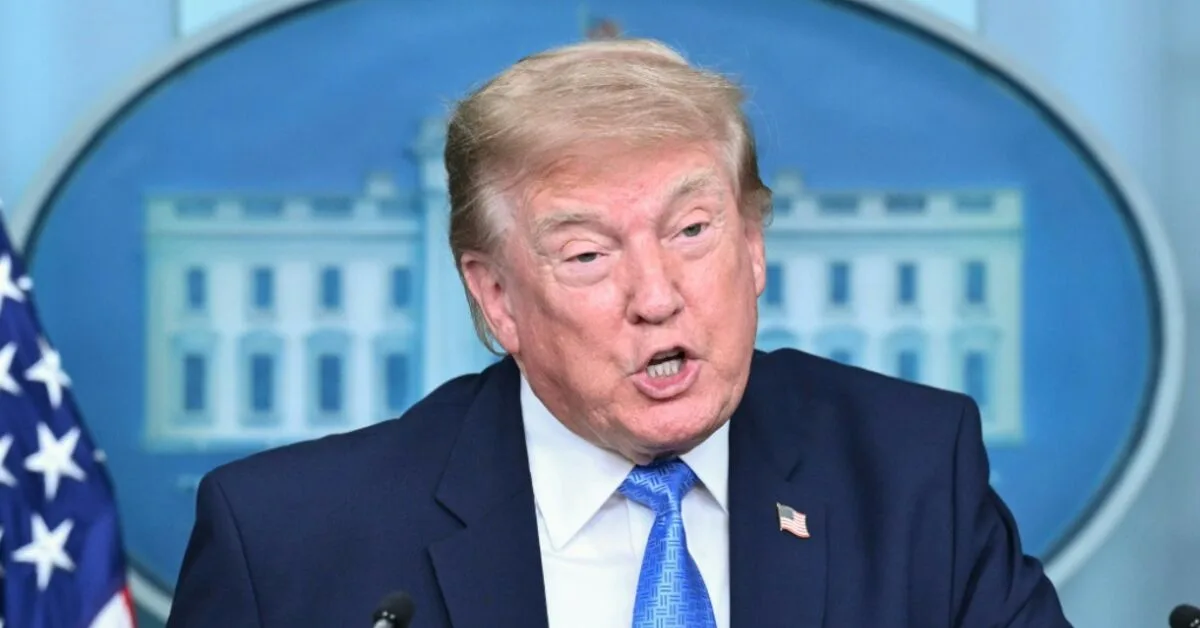
The United States government, in a significant shift in its policies, announced a 'positive movement' towards ending the war with Iran after Donald Trump, the President of the United States, met with Sheikh Mohammed bin Abdulrahman bin Jassim Al Thani, the Prime Minister of Qatar. Trump expressed hope during this meeting, held at the White House, that a constructive agreement could be reached.
Constructive Dialogue at the White House
Trump announced on his social media that he had a great conversation with the Prime Minister of Qatar and discussed issues related to the Islamic Republic of Iran. This meeting was Trump's first with a foreign leader following the Republican Party's major defeat in the midterm elections. In light of recent developments, Trump had previously criticized the possibility of resuming military attacks against Iran and is instead seeking diplomatic solutions.
Read more: Beginning of a new round of limited U.S. military attacks on Iran
Regional Concerns and Consequences
Meanwhile, Trump emphasized that the United States is 'ready and armed', but deemed the likelihood of resuming conflicts low, stating that America's key allies in the Gulf prefer the status quo. He noted that 'positive movements' are being observed towards ending this conflict, and the United States will always protect its interests. These statements somewhat indicate a change in the U.S. approach towards Iran, which is seeking to reduce tensions in the region.
In response to these developments, Iranian officials reacted to ongoing pressures from Washington. Mohsen Rezaei, the head of Iran's Supreme National Security Council, warned the U.S. on the social media platform X that it is 'flailing like a desperate gambler' and urged it to stop producing false news about imaginary negotiations.
Additionally, Mohammad Baqer Qalibaf, Iran's chief negotiator, stated that Israel is exacerbating conflicts and escalating tensions in U.S.-Iran relations. He noted that 'if Washington does not abandon its 'Israel first' approach, the U.S. and its allies will head towards a dark period.
Inside Iran, officials report ongoing attacks that have not been publicly confirmed by the U.S. military. According to local officials, Qeshm Island in the Strait of Hormuz was targeted last night.
Trump has also acknowledged that an unwanted war with Iran played a significant role in the Republican Party's defeat and has contributed to rising prices in the U.S. economy. However, he believes that given the current situation and the willingness of America's allies to maintain the status quo, the likelihood of continued conflicts in the near future is low.
In light of all these developments, it seems that diplomacy is currently a priority, and efforts to reduce tensions in the region are being pursued more vigorously. The future of negotiations and possible agreements with Iran will be heavily influenced by internal political developments in the United States and regional concerns.
Read more: The United States is forming a special force to counter Iran's land trade · Washington: Trump's reaction to Vance's comments on defeat in the midterm elections