Prince Turki Al-Faisal, Chairman of the Board of the King Faisal Center for Research and Islamic Studies, warned in his recent speech about the hidden challenges facing the Gulf Cooperation Council countries. He emphasized that these challenges could significantly impact social security and sustainable development, especially compared to the consequences of ongoing wars and conflicts in the region.
Security Challenges and Demographic Changes
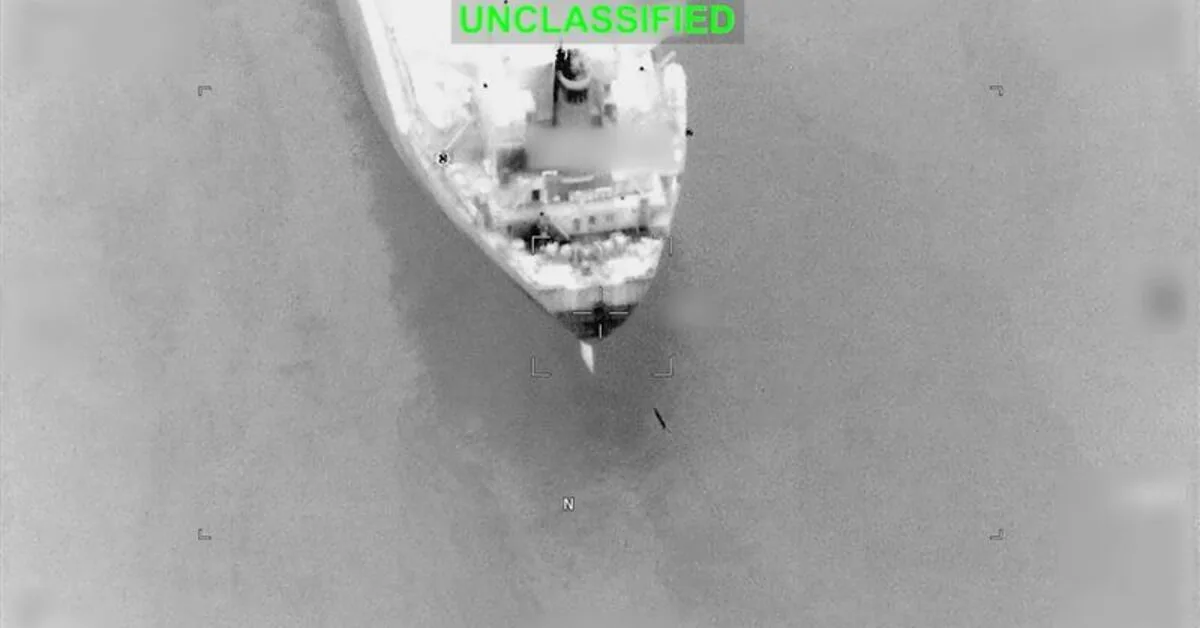
In this speech titled "Today's Challenges for Future Foundations," Prince Turki Al-Faisal referred to security issues that include missile and drone attacks and threats to international navigation. He particularly emphasized the hidden challenges that could threaten the security of communities and their future development.
Read more: The Kuwaiti government announced a ban on photography and filming at Kuwait International Airport
Prince Turki Al-Faisal pointed to demographic changes as one of the major crises. He addressed the declining fertility rates in Gulf Cooperation Council countries in recent decades, citing World Bank data for 2024. He stated that Oman has the highest fertility rate in the Gulf at nearly 2.5 children per woman, while other countries have fallen below the replacement level. This situation may lead to profound demographic changes in the near future.
Risks of Artificial Intelligence and Economic Impacts
Prince Turki Al-Faisal also referred to the risks posed by artificial intelligence as one of the greatest technological transformations in human history. He emphasized that this technology increases economic opportunities but simultaneously creates threats to labor markets. Estimates suggest that around 300 million jobs globally may be replaced by artificial intelligence.
He also referenced estimates from the International Monetary Fund indicating that nearly 40 percent of global jobs are vulnerable to the impact of artificial intelligence. This reality poses a serious challenge for Gulf economies as they must balance maximizing technological productivity with creating job opportunities for future generations.
Prince Turki Al-Faisal also mentioned the military applications of artificial intelligence and the threats arising from it. He warned that non-state armed groups may exploit this technology to develop drones and combat capabilities. This could create new security vulnerabilities and increase strategic dependencies on foreign entities in critical sectors.
Finally, Prince Turki Al-Faisal emphasized that Gulf countries must take serious measures to develop their national capabilities in designing, operating, and securing intelligent systems to prevent security threats and give greater importance to their national security.
Read more: Kuwait praised by Poland for balanced diplomacy and peace-oriented views · Egypt's Foreign Minister talks with Abbas Araghchi about Gulf security