In response to recent attacks on ships in the Strait of Hormuz, the U.S. Air Force took military action and targeted several sites in Iran. This action is considered a swift and decisive response from Washington to security threats in one of the most sensitive shipping areas in the world.
History of Tensions in the Strait of Hormuz
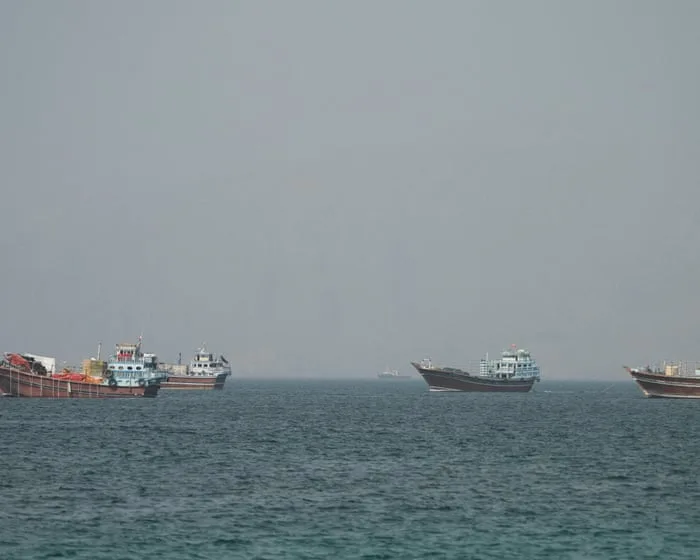
The Strait of Hormuz, known as one of the main routes for global oil transportation, has always been a focal point of international tensions. In recent years, with increased military activities and threats from Iran, this area has become a hot spot. Attacks on ships and threats against international fleets have raised serious global concerns.
The recent attacks, which U.S. officials say were in response to Iran's attempts to harm Western interests, will not only lead to increased tensions but may also provoke retaliatory responses from Iran. Tehran officials have consistently emphasized that any violation of the national sovereignty of this country will be met with a decisive response.
Possible Consequences
These attacks could lead to heightened tensions in the region and an increase in global oil prices. The oil market reacts strongly to political and military developments in this area, which can have profound effects on the global economy. Additionally, other countries may also become indirectly involved in these tensions, complicating the situation further.
In conclusion, it seems that tensions in the Strait of Hormuz have reached a critical point, and any military action could have irreparable consequences. The international community is monitoring the situation, and diplomacy is expected to be introduced as the main solution to this crisis.