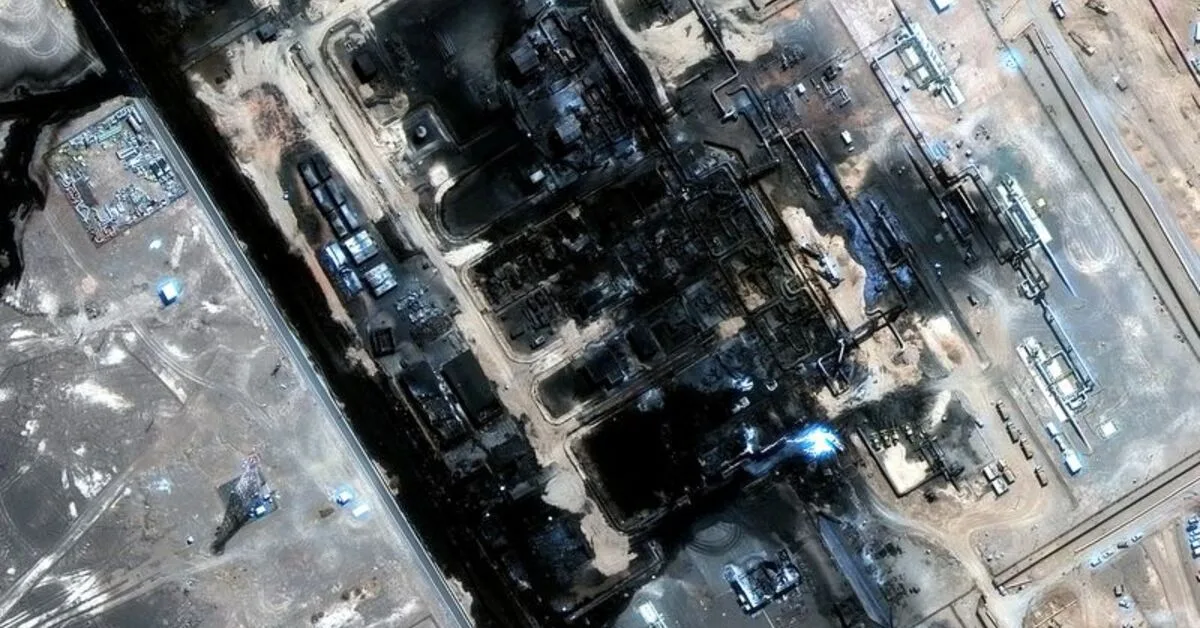
The U.S. Energy Secretary, Chris Wright, announced that the East-West oil pipeline in Saudi Arabia is expected to be operational again within a few days. This pipeline had been temporarily shut down due to recent attacks from Iran-linked groups. Wright made these remarks on the sidelines of the G20 energy meeting in Houston and added that Saudi Arabia is taking measures to increase oil transport from the Strait of Hormuz with U.S. military cooperation.
Details on the Pipeline Status and Its Impact on the Global Oil Market
The 1,200-kilometer East-West pipeline, which runs across the Arabian Peninsula, has served as the main route for oil supply from the Middle East to global markets over the past six months. This pipeline was operational while the Strait of Hormuz was largely closed due to the conflict with Iran. Before the shutdown, this pipeline transported between 4 to 5 million barrels of oil daily, accounting for 4 to 5 percent of global oil supply.
Read more: Delay of Muscat Meeting Due to Disputes Over Shipping in the Strait of Hormuz
According to sources, the timeline for the pipeline's return to normalcy may vary. One source indicated that the damages may require five to six weeks for repairs, while another source stated that the pipeline could return to normal sooner and partially resume operations.
Political and Military Implications in the Region
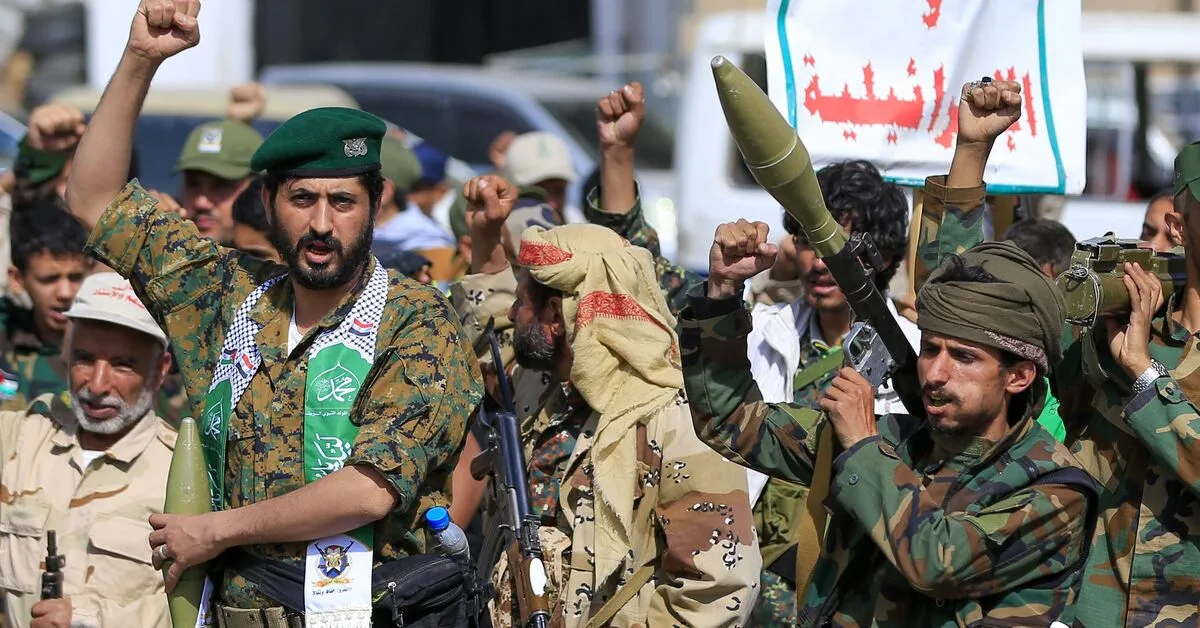
The United States has responded negatively to Saudi Arabia's requests for direct military intervention beyond intelligence support. U.S. President Donald Trump announced last weekend that he had spoken with Saudi Crown Prince Mohammed bin Salman and also stated that the Iran-linked Houthi group, which has launched missile and drone attacks from Yemen towards Saudi Arabia, has asked Washington to stay out of the conflict.
These developments reflect increasing tensions in the region and the need for international cooperation to manage energy crises. While Saudi Arabia plays a key role in stabilizing the energy market as one of the largest oil producers in the world, any disruption in oil supply could have serious implications for global oil prices and the energy security of consuming countries.
Given the complexities of the situation, it seems that Saudi Arabia and the United States are working to ensure security and stability in the region and are considering further military and intelligence cooperation to prevent further crises.
Read more: Holding the Second Forum of Child Protection Committees in Oman · Appointment of Wasti Hunt as the New U.S. Ambassador to Saudi Arabia