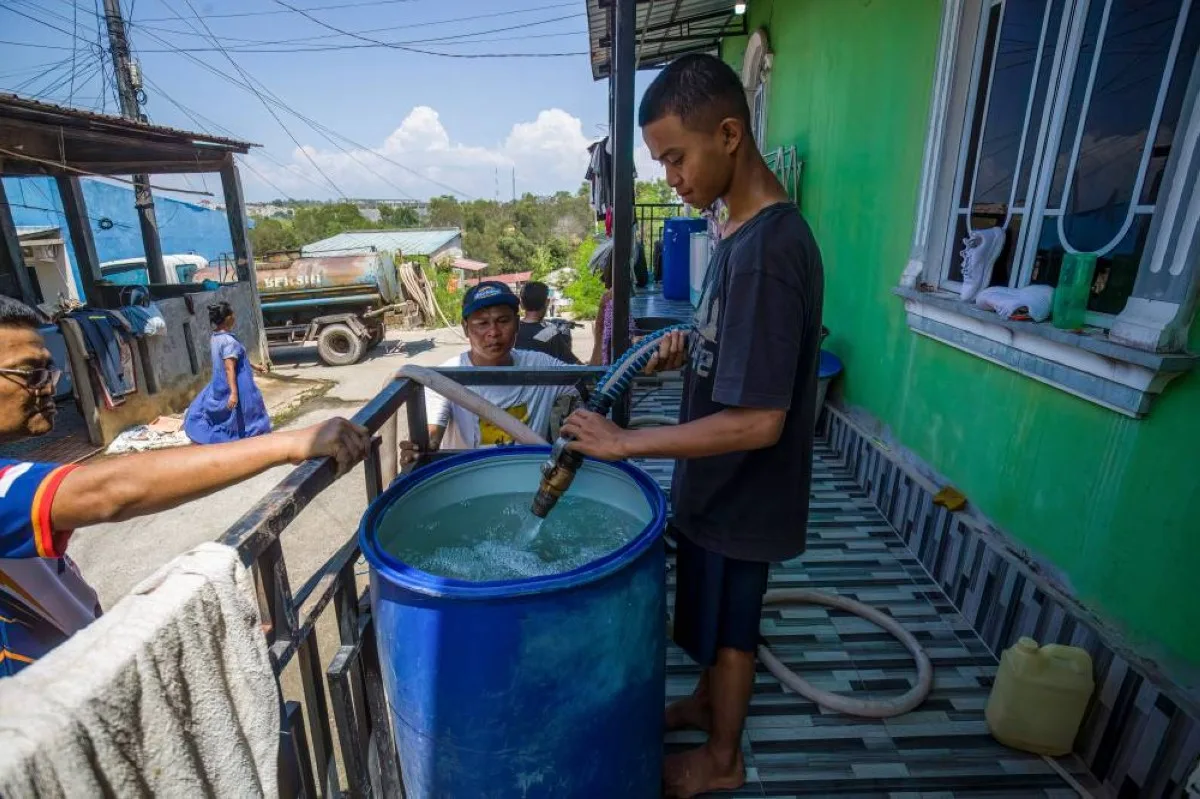
Batam, an island in Indonesia, is facing serious challenges in providing water for the daily needs of its residents. The local population has strongly protested against the establishment of data centers, which are being developed to meet the energy demands for the growing artificial intelligence sector. The water shortage on this island has led to problems such as the inability to cook and bathe for the residents.
Reasons for Water Shortages and Local Protests
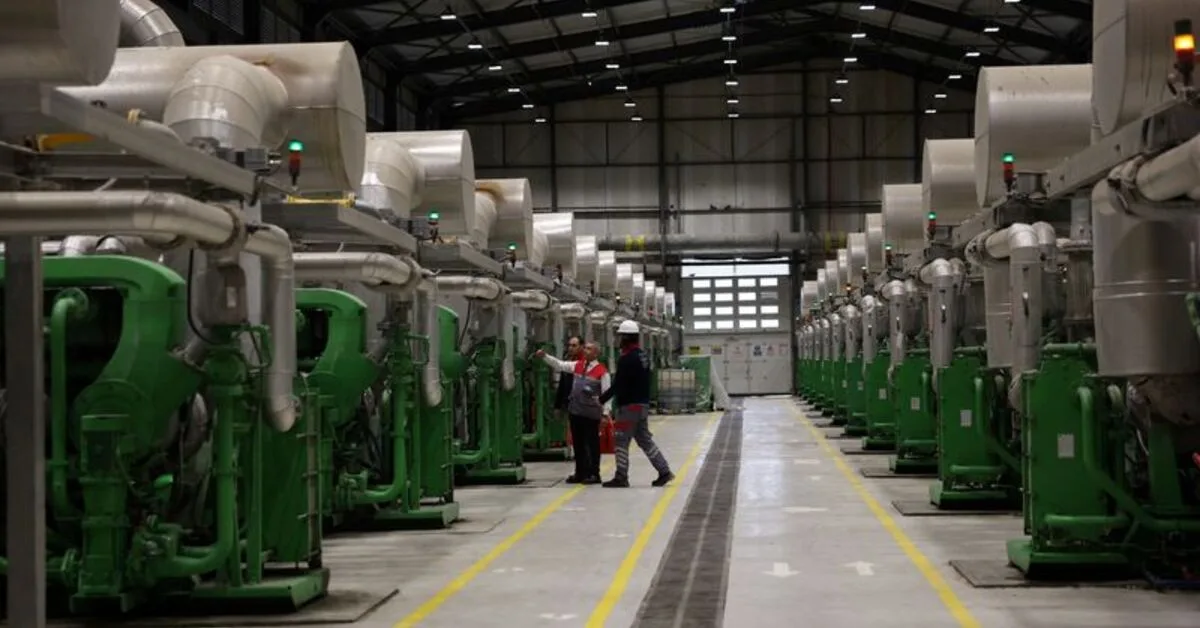
The local water company has stated that the region is experiencing a prolonged drought due to low rainfall and a strong El Niño cycle. However, this situation has specifically driven the residents of Batam to protest against the data centers. These data centers, which act as warehouses for storing and processing data, typically require water for cooling their servers.
Read more: Fiji and Energy Challenges: Moving Towards Renewable Energies
Dissatisfaction in Indonesia and Malaysia is particularly rising in border areas with Singapore, which are recognized as ideal locations for establishing new technology centers. A local businessman named Juniardi Adanda Sembiring Gurukinyan said, "At first, we were happy that industry was coming to Batam, but after severe water outages, sometimes I skipped bathing." He continued, "We can't eat rice without water. We can't cook vegetables without water."
Officials' Response and Future Plans
In the worst conditions, dozens of angry residents gathered in front of the Nongsa Digital Park, which is recognized as a special economic zone for new data centers. Ganda Alamsia, a spokesperson for Batam Hiller Water Company, stated that the drought has severely reduced the water level in the Nongsa reservoir and electrical faults have also disrupted water supply. An industry source said that the tech park draws water from another source called the Duriangang reservoir.
At the end of September, officials informed developers that they must establish seawater desalination plants for cooling purposes. Gaf Capital, one of the owners of this park, announced that they are aware of the concerns and dissatisfaction of local residents and that their facilities use "closed" water systems that require less fresh water.
Solstri, a 38-year-old resident, said, "The water crisis has been occurring for the past year, but it has worsened in the last six months." He added that the water supplied by government tankers had an unpleasant smell and yellow color. Amsakar Achmed, the mayor of Batam, stated in October that this disruption is not caused by data centers or artificial intelligence but due to weather and climatic conditions.
According to a report from KPMG, the capacity of data centers in Southeast Asia is expected to triple by 2030 compared to 2025 levels. This increase is primarily due to a tenfold growth in artificial intelligence usage. The growth of these centers in Indonesia and Malaysia began when resource constraints halted new developments in Singapore between 2019 and 2022.
In the Johor region of Malaysia, the capacity of data centers has increased from 10 megawatts five years ago to 2.1 gigawatts currently. The Deputy Prime Minister of Malaysia stated in Parliament in July that data centers are expected to account for one-third of the country's energy consumption by 2035.
Protest slogans in some areas have yielded results. In Kota Damansara, located in the suburbs of Kuala Lumpur, a developer withdrew a planning application for a data center after gathering over 9,000 signatures from residents in August. A retired resident named Jahaydi Harun said, "Data centers consume a lot of water. If it doesn't rain for a month, we all feel it."
Read more: Increasing Threats to Wild Pepper in Madagascar · Housing Protests in Madrid Have Reached One Month