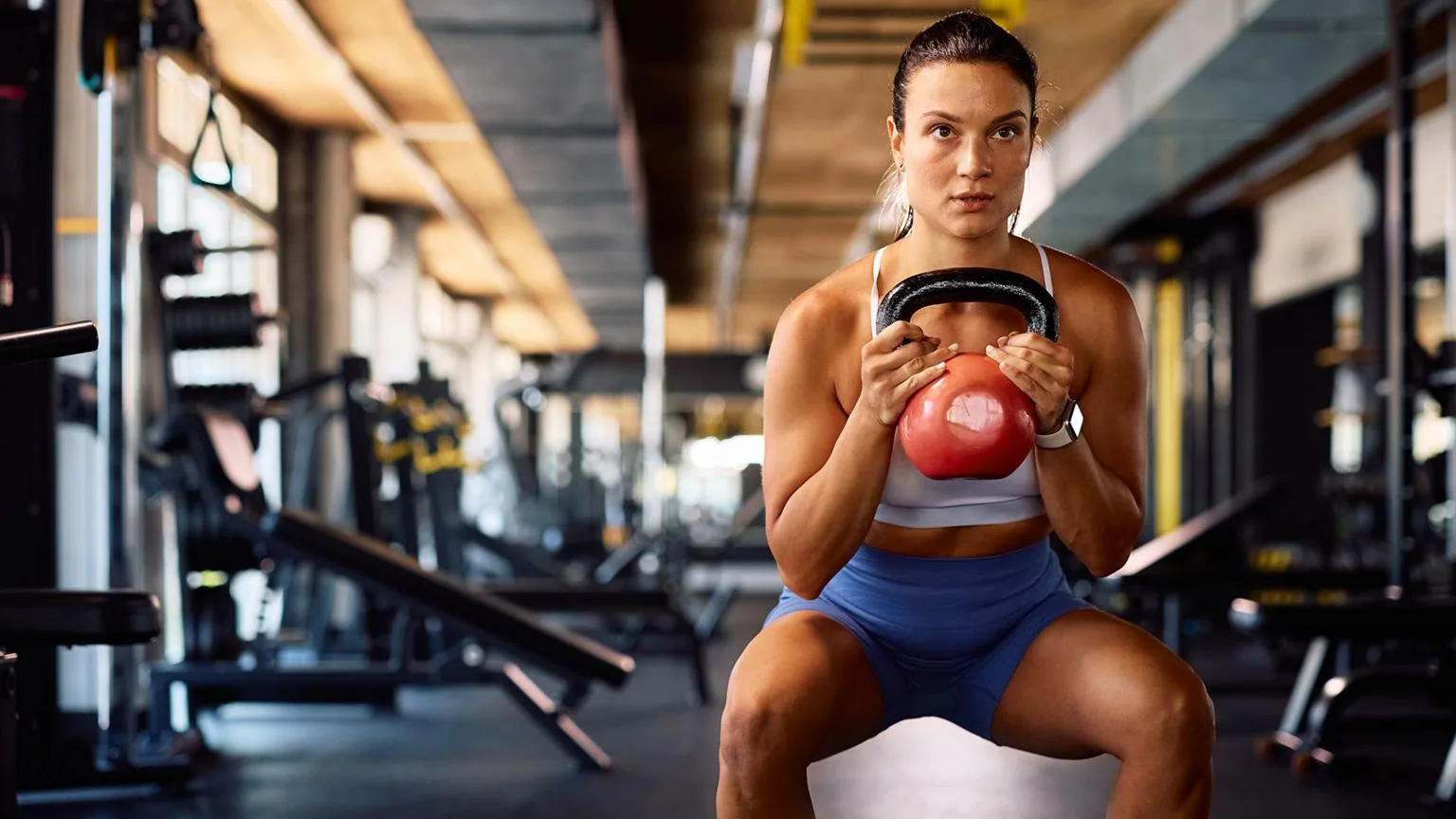
In recent years, the term "cyclical alignment" has become one of the hottest topics in the fitness world. More women are looking to align their workouts with their menstrual cycle to take full advantage of the physiological benefits of each phase. But does this method actually help improve performance, or is it just a trendy fad?
Why Cyclical Alignment?
The average menstrual cycle lasts 28 days, and hormones continuously change during this period. Some women believe that by paying attention to these changes, they can identify the right time for heavy or light workouts. For example, during ovulation, energy levels and physical strength typically increase, while during menstruation, feelings of fatigue may become more pronounced.
This idea that one can better plan workouts according to the menstrual cycle has led many women to seek ways to align their workouts with this cycle. However, research shows that this is highly individual, and a one-size-fits-all pattern cannot be established for all women.
Challenges of General Advice
Despite the popularity of "cyclical alignment," experts believe that general recommendations may not apply to all women. Each woman's menstrual cycle is unique, and factors such as age, lifestyle, and overall health can significantly influence it. As a result, it is suggested that women find the best workout pattern for themselves through trial and error.
Overall, when women become familiar with their menstrual cycle and know in which phase they feel more energetic, they can adjust their workouts to be both more effective and enjoyable. Ultimately, this is a personal and individual choice that should be made considering each person's specific circumstances.