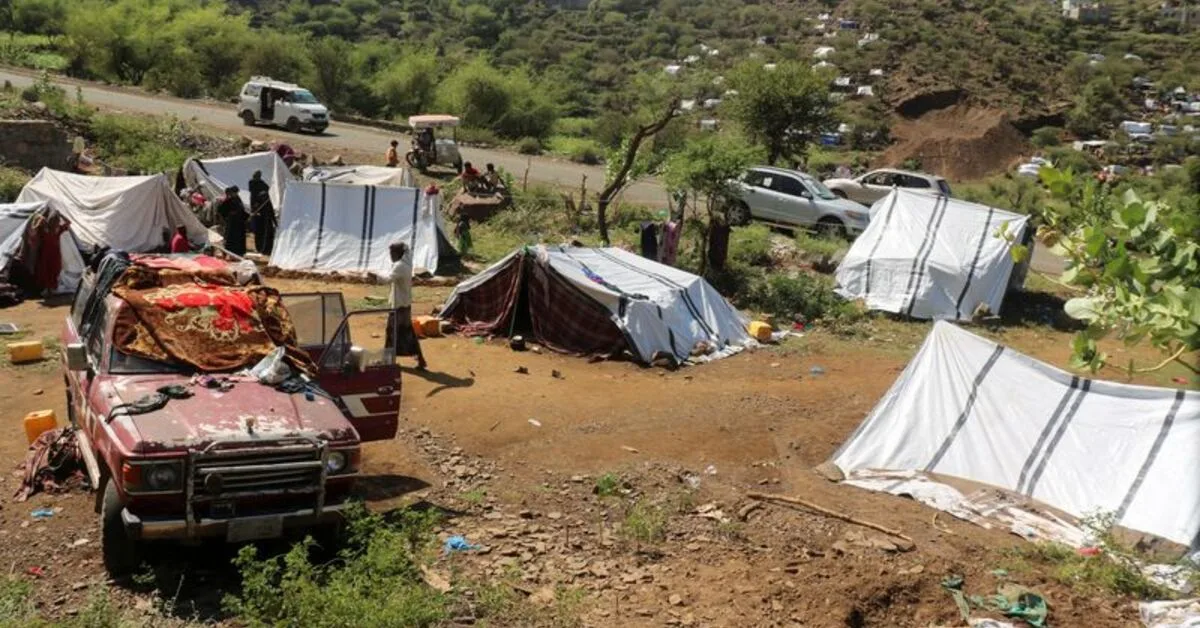
The World Food Program (WFP), led by Carl Skau, the head of the agency, has announced that it is significantly increasing its efforts to respond to the escalating food crisis in Yemen. This increase in activities comes in light of recent advances by Houthi forces along the Red Sea coast of Yemen and the displacement of tens of thousands of residents from the area.
Critical Situation in Yemen
According to reports received, nearly 700 people have been killed in recent clashes, and thousands have been injured. More than 120,000 Yemenis have fled their homes, with many others making their way to Africa by boat across the Red Sea. Carl Skau stated on the sidelines of the United Nations General Assembly in New York, "We are ramping up our activities. We have provided food and hot meals to about 60,000 people and are preparing our infrastructure to respond to hundreds of thousands more."
Challenges in Food and Health Supply
Currently, more than 18 million people in Yemen are facing severe food insecurity, and about 2.2 million children under five are suffering from acute malnutrition. Skau pointed out the dire conditions in refugee camps, stating, "The camps are under severe pressure, and our operations there are facing budget shortfalls. People are not eating enough, and there is no access to health services. In these places, we are now seeing tens of thousands of newcomers who have nothing and whose lives have been disrupted."
The increased activities of the Houthis this month have created broader tensions in the Middle East and pose a threat to global energy supplies, leading to rising oil prices and disruptions in maritime trade in the region. Skau added, "Ninety percent of food in Yemen is imported. Therefore, when ports or airports are not operational, it has a direct impact on food security in Yemen."
He also warned that the agency is unable to operate in Houthi-controlled areas, as the group continues to occupy United Nations offices, confiscate its assets, and detain dozens of UN staff members. Skau emphasized, "Our offices in the north are occupied by the Houthis, and our assets have still been confiscated, so under such conditions, it is very difficult for us to operate."
The Swedish diplomat concluded by stating that this organization, the largest UN agency in terms of budget, is facing a serious financial shortfall and has been forced to reduce vital assistance. He stressed that at diplomatic meetings with nearly 130 presidents in New York, he will seek to attract more financial resources.
Read more: Explosion in Syrian Army Ammunition Depot in Aleppo · Airstrike Warning in Saudi Arabia Due to Clashes in Yemen