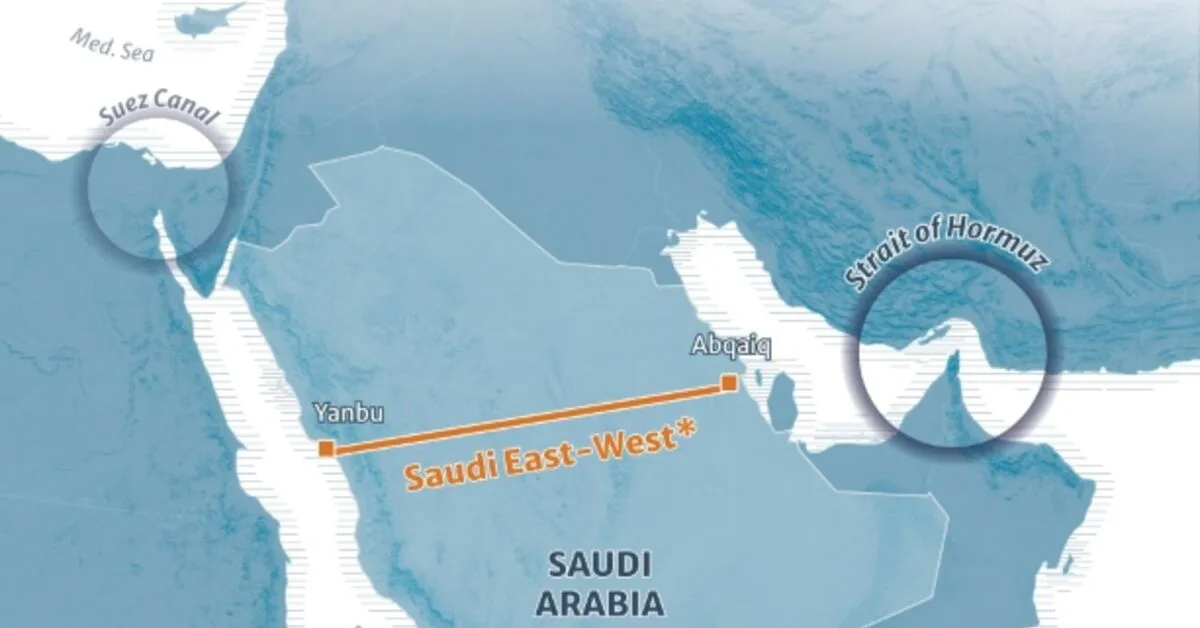
The Houthis of Yemen announced that Saudi Arabia recently carried out a deadly attack on a key port in Yemen. This attack comes as the Houthis have made significant advances over the past week, gaining control of a vital strait for global energy flows.
Escalating Tensions and International Reactions
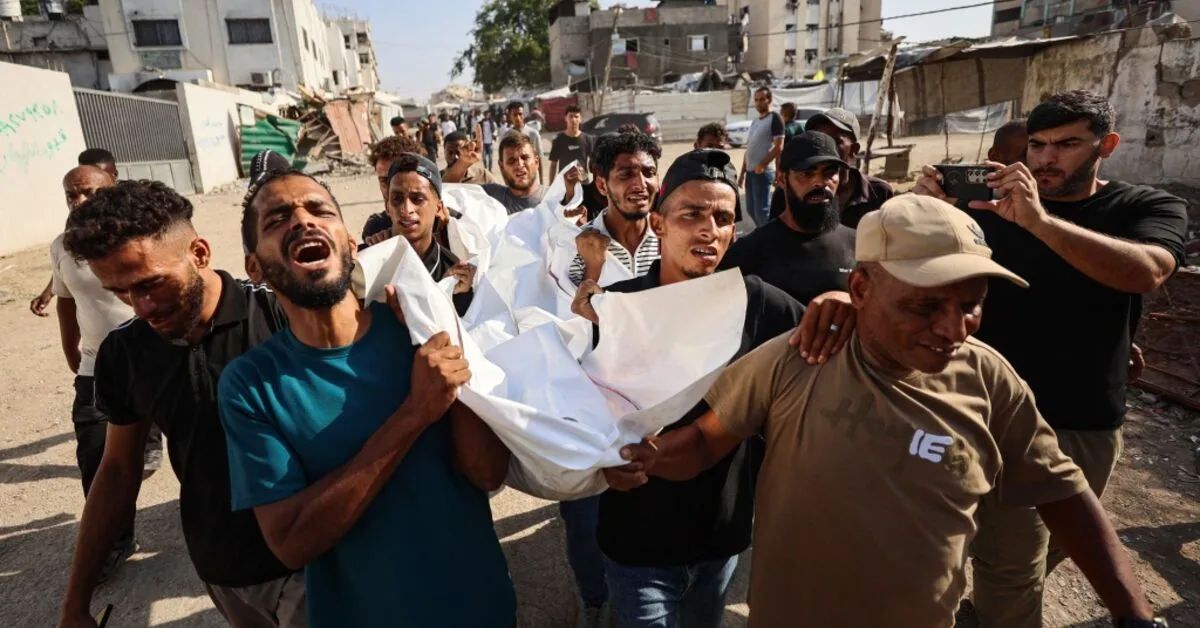
The Group of Seven (G7) countries have urged the Houthis to cease border attacks on Saudi Arabia. Saudi Arabia, which supports Yemen's legitimate government, has conducted multiple airstrikes on areas under Houthi control in retaliation for their advances. According to Houthi reports, six civilians, including two children, have lost their lives in recent attacks in the port of Al-Mokha.
Read more: Escalation of Houthi and Saudi Conflicts in Yemen
Humanitarian and Economic Consequences of the Conflicts
The conflicts along the Red Sea coast of Yemen, which have resulted in the deaths of hundreds on both sides, have become a threat to global trade and increased energy prices. The Houthis, who are supported by Iran, control two key waterways, Bab el-Mandeb and the Strait of Hormuz, which major oil and gas exporters, including Saudi Arabia, depend on.
According to the International Organization for Migration, nearly 130,000 people have been displaced in seven provinces of Yemen due to this violence. Thousands of families have fled their homes due to the escalating violence and are living in difficult conditions.
In response to these conflicts, the Al Saud family has carried out multiple airstrikes to curb Houthi advances. However, these attacks have so far failed to prevent the Houthis from advancing. Recently, the group launched an attack on the capital of Saudi Arabia, Riyadh, marking the first time this has occurred in recent years.
Meanwhile, the British Defense Minister announced that the country will provide military assistance to Saudi Arabia, while France has also committed to securing Saudi Arabia's energy infrastructure. In a phone call, Rashad Al-Alimi, the President of Yemen's government, requested support from the U.S. President, although this call was largely seen as a symbol of solidarity.
Read more: Constructive Dialogue Between Macron and Trump on the Gulf and Ukraine · United States Warns of Rapid Escalation of Conflicts in the Middle East