Yemenis have turned to boats and are trying to flee from war zones along the Red Sea coast due to ongoing clashes between Iranian-backed Houthi forces and Saudi forces. The rising tensions in the Middle East have posed new challenges for global energy supply.
Bitter Experience of Fleeing War
Ahmed Hassan, 70, who recently arrived in Africa, stated in an interview: "The sea was rough, and the children were seasick; none of us were used to the sea." He was forced to leave his home due to airstrikes on his village and the arrival of Houthi forces. He said, "The longer we stayed there, the worse the situation became. The shops were closed, and there was no food left to buy."
Read more: Yemen: Yemenis Flee to Djibouti Amid Escalating Clashes
The International Organization for Migration (IOM) has reported that over 100,000 Yemenis have been forced to leave their homes due to recent conflicts, with most of them displaced within Yemen.
Increased Military Tensions and Energy Threats
Houthi-controlled television has reported new Saudi airstrikes in Hajjah province, which is near the Saudi border and the Red Sea coast. Additionally, these forces claim that the Saudi air force has deployed hundreds of bombers to various regions of Yemen in recent days. In response, the Houthis have also fired missiles and drones at targets within Saudi territory.
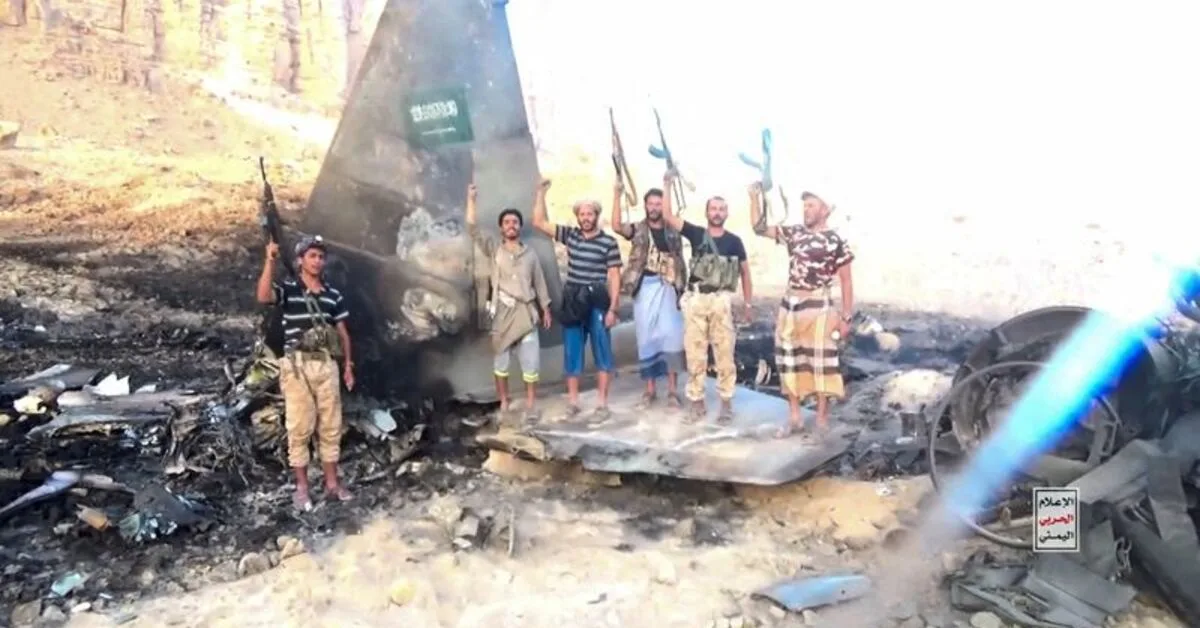
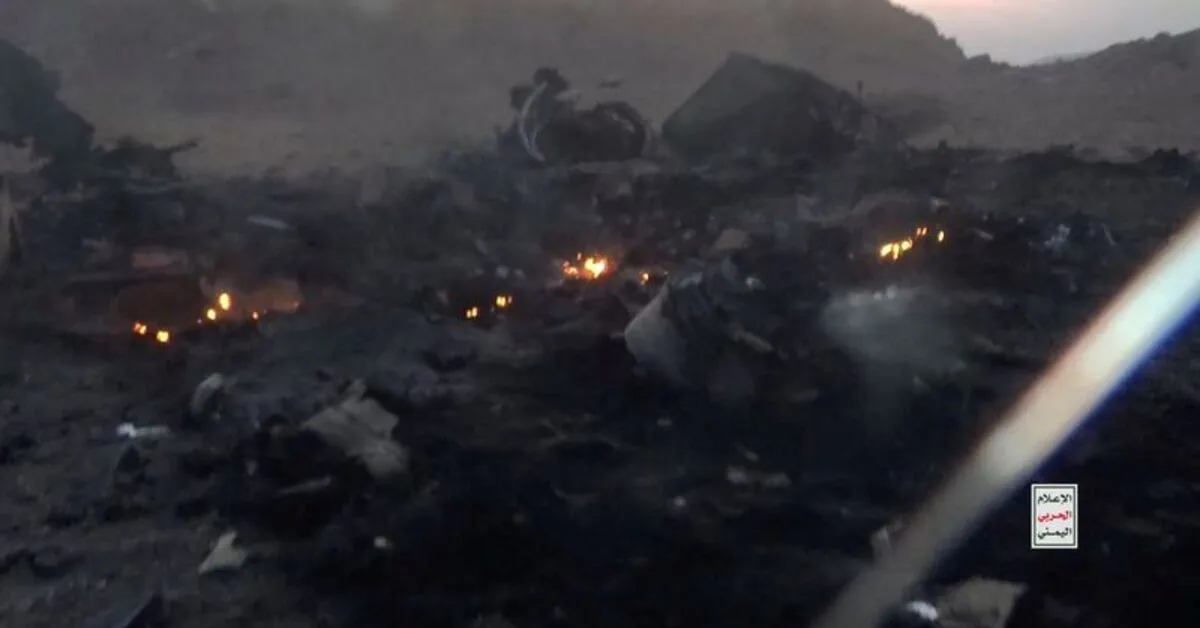
Meanwhile, the Houthis announced that they shot down a Saudi F-15 fighter jet and released images of the crash site showing Houthi soldiers celebrating as they looked at the wreckage of the aircraft.
The escalation of the war in Yemen and attacks on Saudi Arabia have created new risks for global energy supply. Global oil prices have fluctuated between $100 and $110 per barrel this week, the highest level since May. This price increase has raised fuel costs for consumers and industries.
The United States government has responded negatively to Saudi requests for military support in the war against the Houthis. U.S. President Donald Trump stated, "We hope to come to an end to the war" and added that the Iranians "want to make a deal."
Since the collapse of the temporary agreement in June, no negotiations have taken place between the United States and Iran to end the war. The U.S. Navy is trying to guide ships through the Strait of Hormuz, where one-fifth of the world's oil and liquefied natural gas passes through.
Iran has also announced that the Strait of Hormuz is closed and will remain so until the United States lifts the blockade. Iran is seeking an agreement with neighboring Gulf countries that would allow for the collection of tolls from ships.
The war in Yemen and attacks on Saudi Arabia have jeopardized the main alternative route for Gulf oil, and the Houthis have managed to seize the Red Sea coasts and islands located in the Bab al-Mandab Strait, known as the "Gate of Tears."
The Saudi East-West pipeline, which allows oil to be pumped across the Arabian Peninsula and exported from the Red Sea coast, has been shut down since last week due to an attack that Riyadh attributes to Iraq.
Read more: Pope Leo: Middle East Conflicts Strain Jewish-Christian Relations · UN Security Council Meeting on Yemen and Bab al-Mandab Held