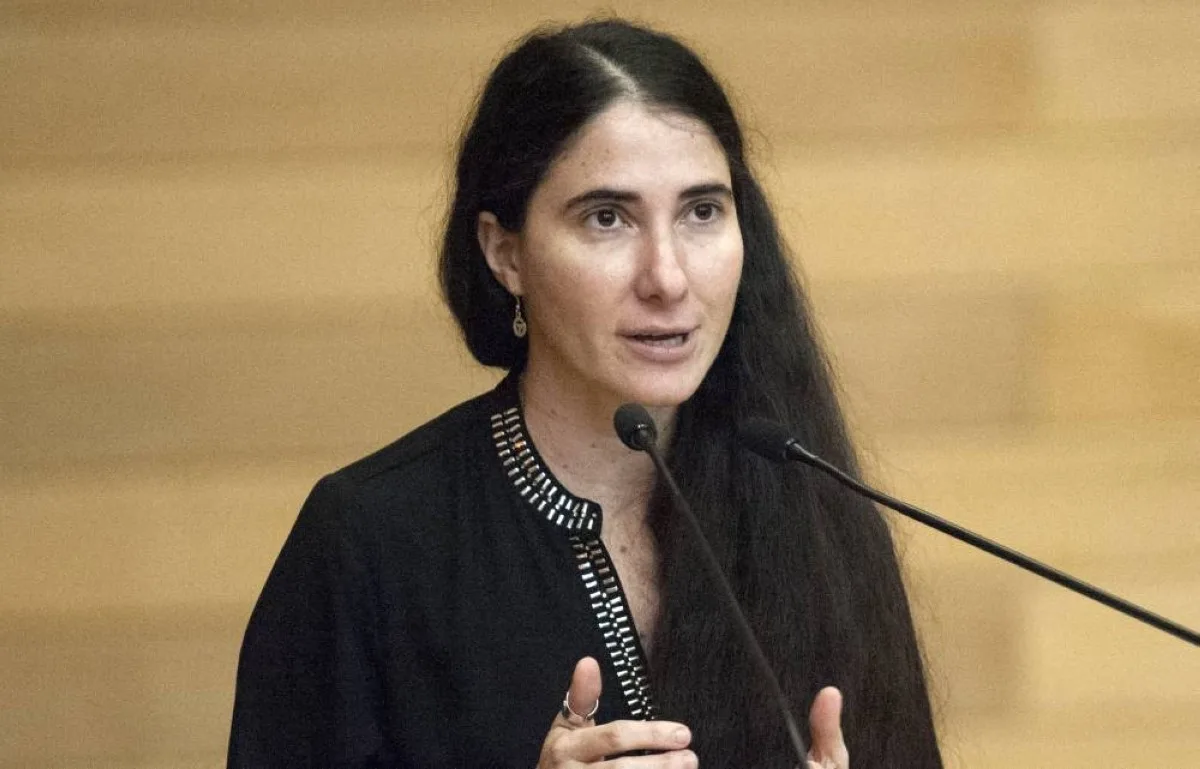
Yoani Sánchez, a prominent Cuban journalist, criticized police threats against her on Friday. This criticism came a day after her detention for several hours in Havana. Sánchez, who has received multiple awards for her reporting on Cuba, was detained while leaving her home in Havana on Thursday and was later released.
Criticism of efforts to silence voices
Sánchez wrote on social media: "They want me to be silent, they want me to go away, they want my voice to be silenced." She also emphasized that these detentions and threats cannot deter her from continuing her activities. Additionally, two other prominent Cuban activists, Berta Soler, leader of the "Ladies in White" movement, and María Cristina Labra, were also detained for several hours.
Read more: India calls for improvement and strengthening of UN peacekeeping operations
Pressure on activists and independent journalists
Sánchez, along with independent journalist Kamil Aksta and protester Ana Sofía Benítez, reported on Friday the police presence around their homes. Benítez tweeted that she and her mother had been under siege since that morning. A source at the U.S. Embassy in Havana told news agencies that it appears several invited guests to a cultural program held by the embassy on Friday are under house arrest and cannot attend the event.
In a YouTube video released on Friday, Sánchez described her detention, stating that "three individuals in civilian clothes" detained her and took her to a police station in Havana. She added that officials accused her of "several crimes, including promoting against the legal order." Sánchez also reported on the horrific conditions of prisoners in Havana, saying: "Every day, hundreds of Cubans are arrested for not having an address on their ID and are labeled as 'illegal.'"
Sánchez won the Ortega y Gasset Award in 2008, one of the most prestigious awards in Spanish-language journalism. That same year, Time magazine named her one of the 100 most influential people in the world.
Under a law passed in 2023 in Cuba, only state media are allowed to operate. However, independent online media have emerged over the past decade, although island residents can only access them via VPN. In the 2026 Press Freedom Index published by the NGO Reporters Without Borders, Cuba ranks 160 out of 180 countries.
Read more: Qatar and Greece announce the start of annual strategic dialogues