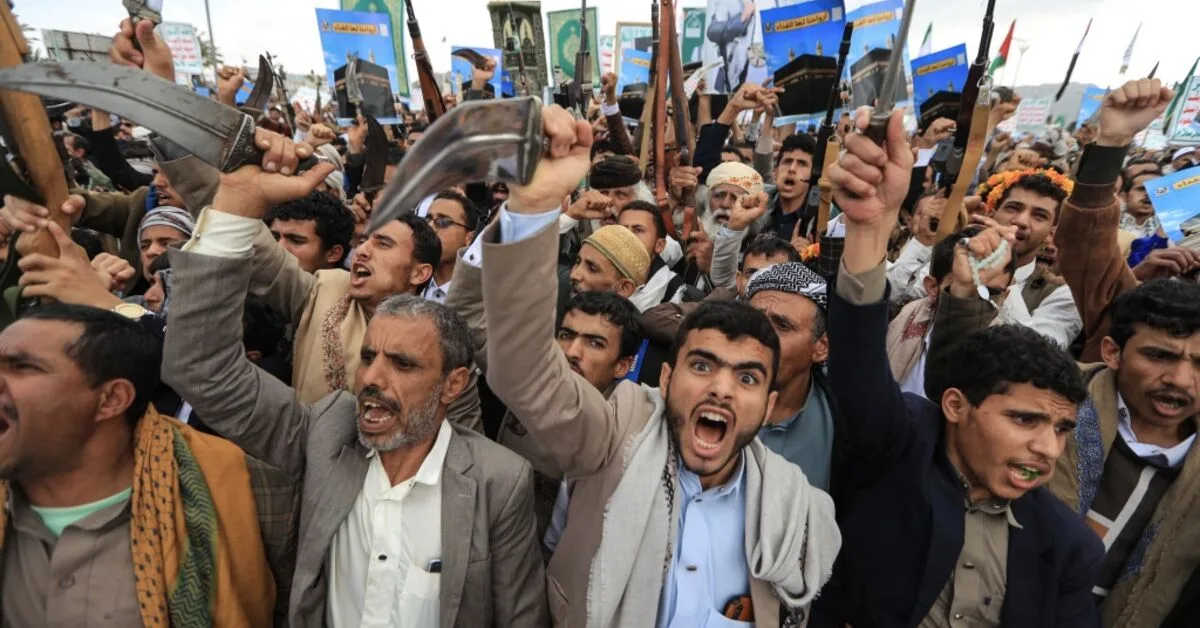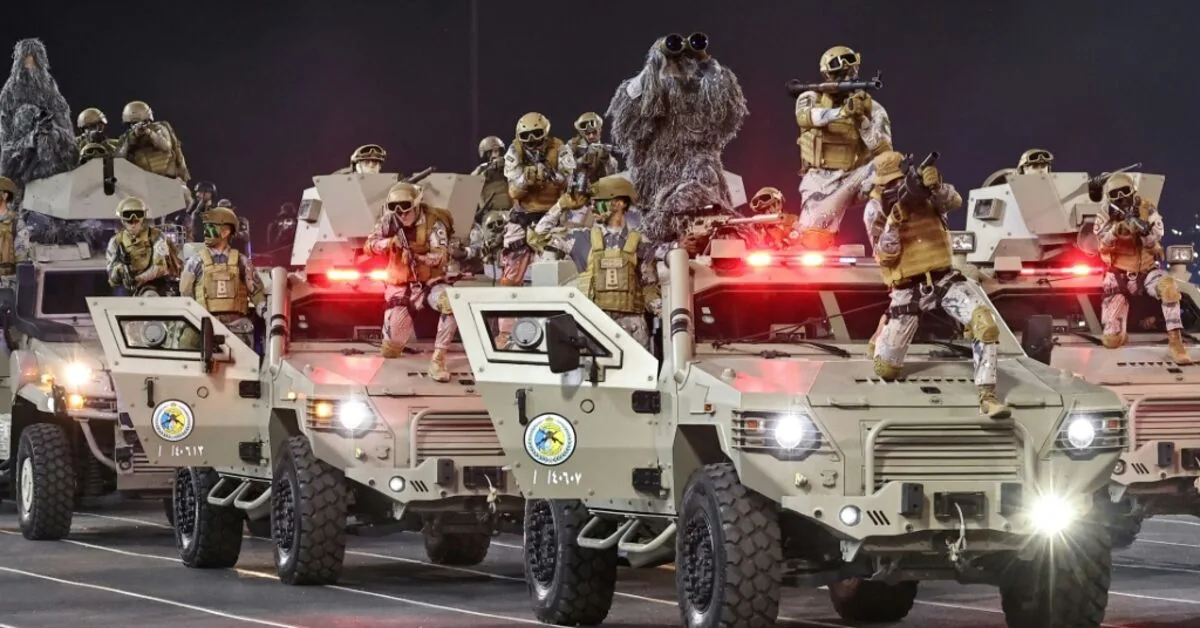
Saudi Arabia, despite its abundant financial resources and advanced weaponry, has been unable to defeat the Houthi group in Yemen, which is equipped with Iranian support, for over a decade. Recently, this group has become a serious threat to Saudi security by attacking Riyadh and seizing the Red Sea coasts of Yemen.
Military Challenges of Saudi Arabia
Experts believe that Saudi Arabia has faced difficulties in confronting the Houthis due to its reliance on ineffective proxy forces, as well as the presence of rugged terrain and Iranian support. The country has spent billions of dollars on advanced weaponry but has historically depended on foreign forces and trainers to strengthen its own military.
Read more: China and Recent Developments in Yemen: New Threats to Maritime Security
Major arms purchases from Western manufacturers, including American, British, and French companies, have become a prominent feature of Saudi Arabia's defense policy and diplomatic strategy. Recently, the United States approved the sale of 48 F-35 fighter jets to Saudi Arabia for $24.3 billion.
Status of Military Forces and Its Impacts
Despite these formidable weapons, Saudi military forces have limited experience in conducting complex battle operations independently. Bernard Haykel, a Saudi expert at Princeton University, stated that Saudi Arabia needs to build a military force that is ready for war and a population willing to sacrifice to preserve what they have. However, the current situation is such that such capabilities are not available.
According to experts, Saudi military forces have been deliberately kept small and dispersed to prevent a coup in a region prone to such developments. For example, Ray Takeyh, a Middle East researcher, stated in a congressional hearing in 2015 that Saudi Arabia is the only place where the monarchy has not been replaced militarily because they have kept their military forces weak.
The Houthis, initially armed with light weapons, have been able to utilize the rugged terrain and their tribal connections to create strong defenses that are difficult to dismantle. Over the years, this group has gained an advanced arsenal of missiles and drones with Iranian support and has managed to build a united front.
Since 2023, the Houthis have demonstrated their ability to disrupt traffic in the Red Sea, attacking vessels linked to Israel. This strategy is similar to one later employed by Iran to effectively close the Strait of Hormuz.
In 2015, Saudi Arabia, along with the United Arab Emirates, entered the war in Yemen to support a government that had been ousted by the Houthis from Sana'a a year earlier. However, weeks before the start of this war, problems arose for the Yemeni government in Aden. In December, UAE-backed forces temporarily took control of all government areas, which angered Riyadh and led to the ongoing rift between the two allies.
In response to the Houthi threats, Saudi Arabia has not launched any major counteroffensive, although the Houthis continue to fight against government forces. According to American media reports, Mohammed bin Salman, the Crown Prince of Saudi Arabia, has repeatedly sought help from then-President Donald Trump to stop the Houthis, but so far, no results have been achieved.
On the ground, Yemeni government forces suffer from low morale, and one fighter in Lahij province said, "We are suffering from a lack of weapons and ammunition as well as delays in salary payments. Two days ago, we received reinforcements and equipment, but it is still not enough."
Read more: Iran and U.S. Threats Following Houthi Attacks Escalate Tensions in the Region · Global Leaders Meet at the United Nations Amid Middle East and Ukraine Conflicts