On September 19, 2023, Iran and the United States issued new threats against each other, while U.S. President Donald Trump warned Iran that if no agreement is reached, it will either face economic failure or its leadership will be destroyed. Meanwhile, the Iranian military announced that it would respond severely to any new attacks.
Complex Situation in the Region
These tensions continue as it seems that the conflicts have reached a stalemate and neither side is willing to compromise. This situation has fueled the global energy crisis and significantly affected large sectors of Iran's economy. Additionally, the conflicts have led to increased tensions in the region.
Read more: Houthi Attacks and Trump's New Challenge in the Middle Eastern Waterways
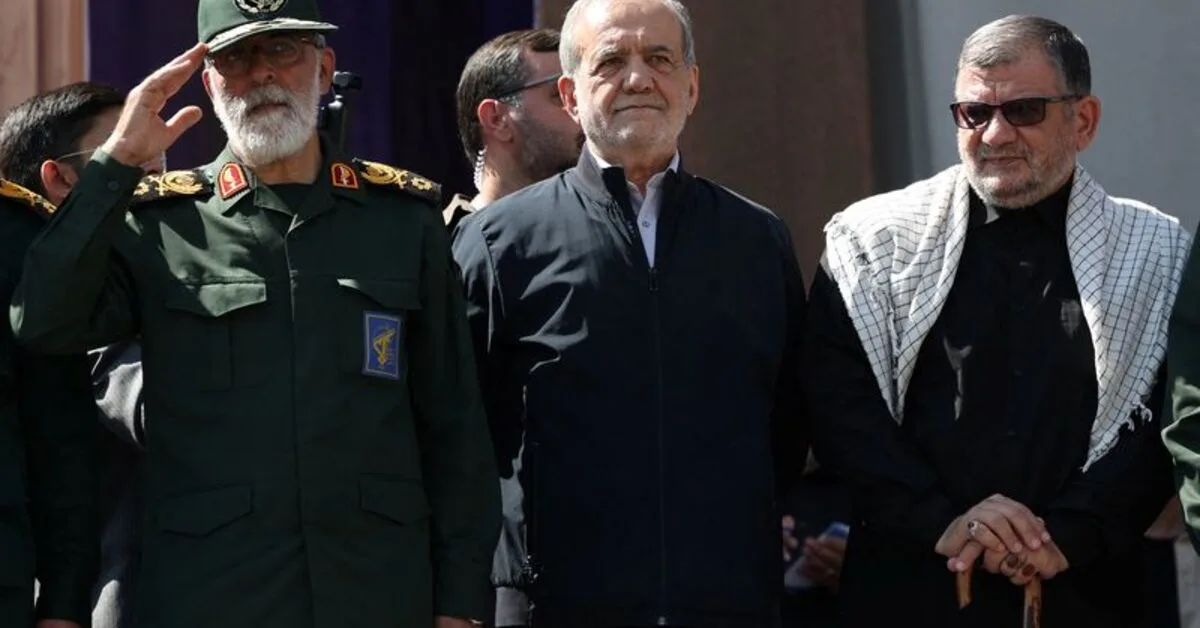
Trump stated in a phone call with a reporter that Iranian leaders must sign an agreement, otherwise they will face serious economic problems. However, it is expected that Iranian President Masoud Pezeshkian will travel to New York this week to attend the United Nations General Assembly, and Trump has expressed his willingness to meet with him.
Houthi Attacks and Military Responses
Meanwhile, the Central Command of the Iranian military announced that any new attack on U.S. interests in the region could lead to continuous responses, and Washington's allies in the region are also considered parties involved in this conflict. Information from the Iranian military has indicated preparations for a new attack, although no further details have been provided.
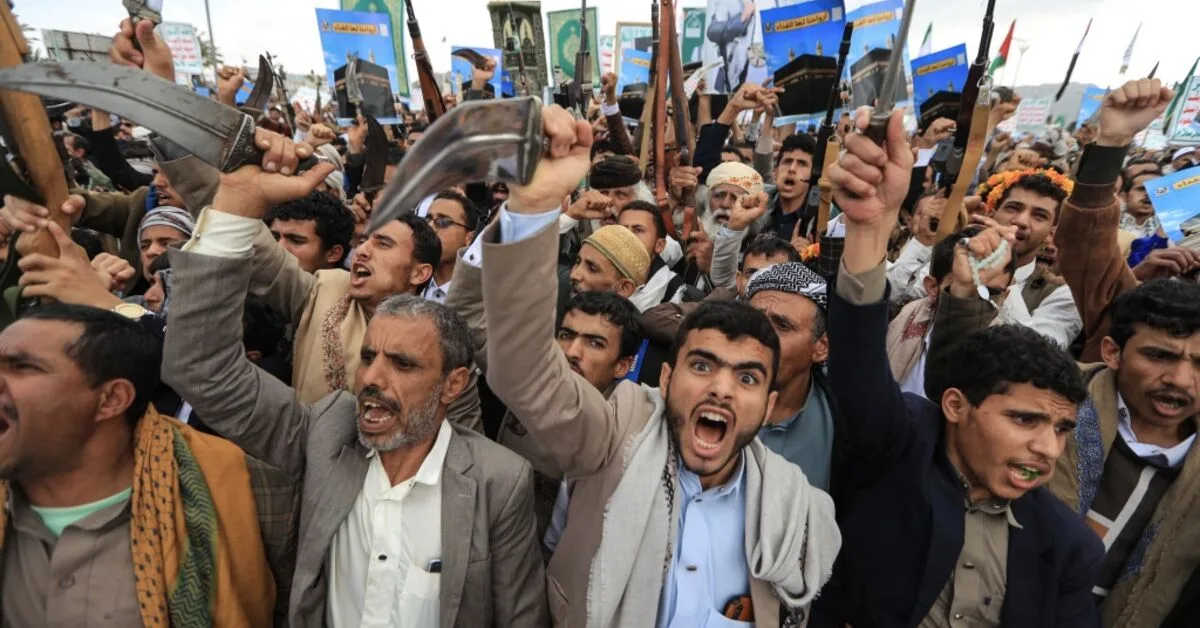
The recent attacks by the Houthi group from Yemen, which is supported by Iran, have put significant pressure on U.S. allies in the Gulf. This group launched missile and aerial attacks on the Saudi capital, Riyadh, on Saturday, while they have recently made significant military advances in the Yemeni civil war.
The U.S. State Department has also issued security warnings in light of these developments and expressed concern over the potential escalation of the crisis in the Middle East. However, Saudi Arabia has not yet shown any reaction to these attacks, although the Saudi-led coalition fighting the Houthis has stated that it has thwarted further attacks towards the kingdom.
This escalation of tensions has put Riyadh in a difficult position; should it continue its airstrikes against the Houthis or refrain from such actions in hopes of preventing airstrikes on critical infrastructure? This situation is particularly complicated given the Houthis' control over the Yemeni coasts and their dominance over the Bab el-Mandeb Strait, which is a crucial transport route between the Red Sea and Asia.
Considering that Iran has also effectively limited maritime attacks in the Strait of Hormuz, energy exports from Gulf countries to global markets have significantly decreased, putting pressure on oil prices. Meanwhile, the blockade of Iranian ports by the United States has halted Iran's oil sales and created serious economic problems for the Islamic Republic.
Despite serious economic damages, there are no signs of a return to the temporary ceasefire agreement that was signed in June. Iran reiterated on Sunday that it will not reopen the Strait of Hormuz until the conditions of the June agreement, as it sees them, are met. Mohammad Baqer Qalibaf, the Speaker of the Iranian Parliament, stated that the country must always continue to fight while simultaneously negotiating to push back its enemies and stabilize any achievements through diplomacy.
Read more: Trump and Military Options in Confrontation with Iran · U.S. Security Warning for Citizens in 6 Middle Eastern Countries