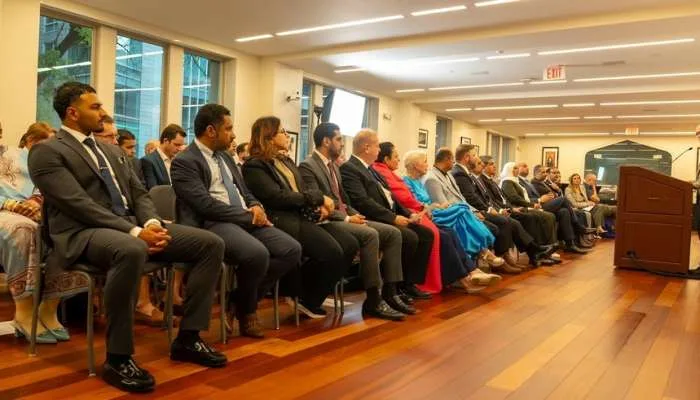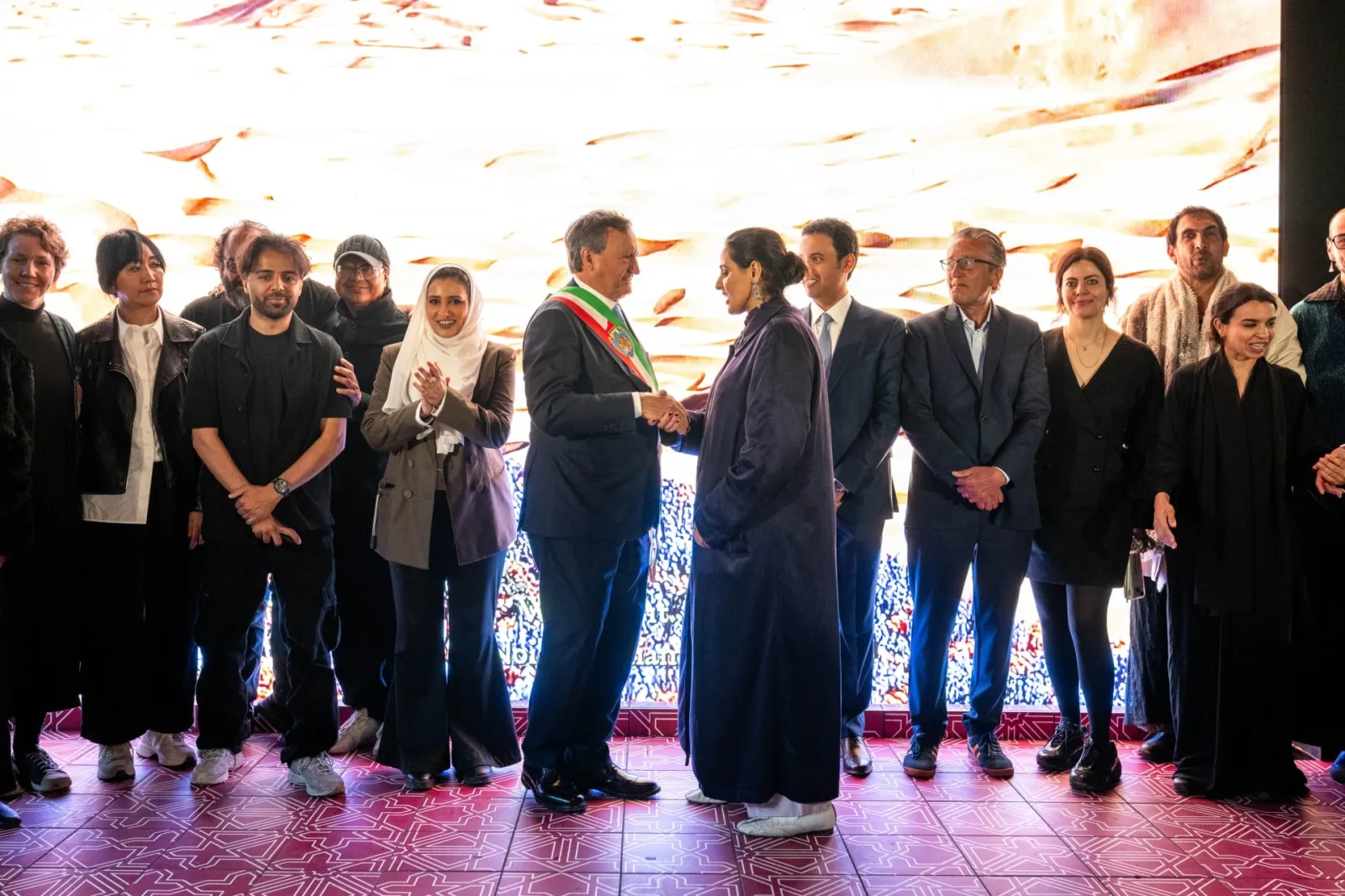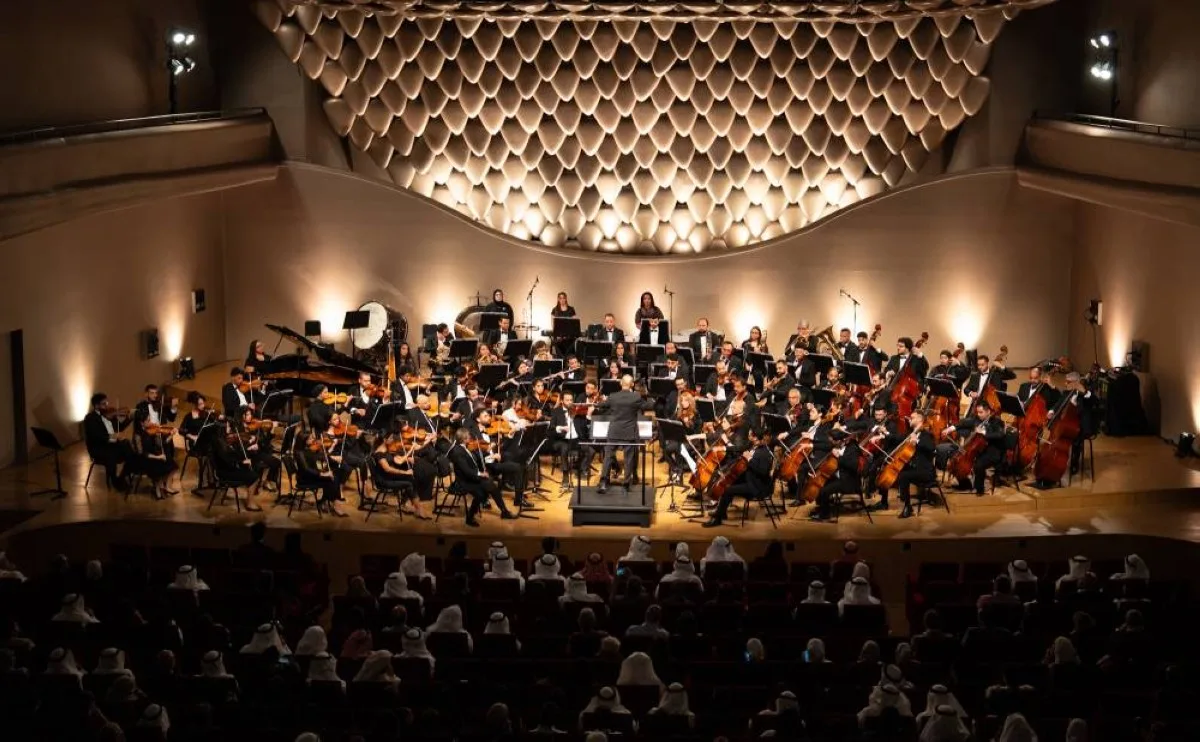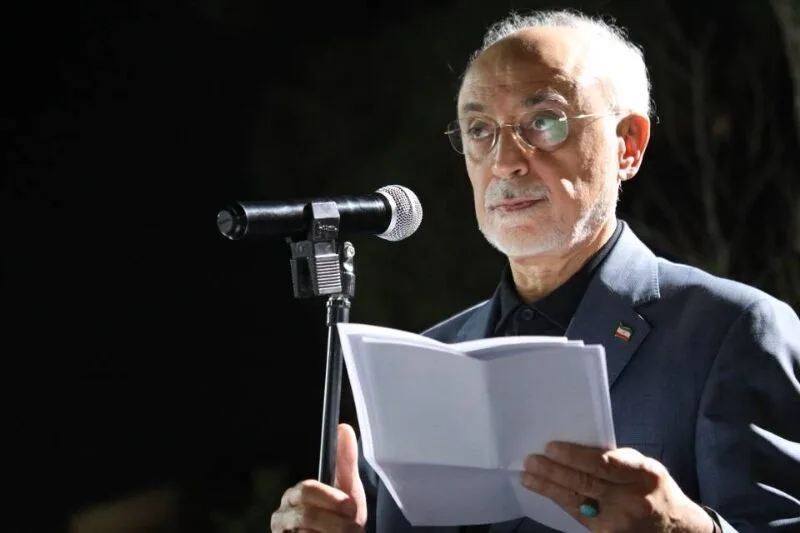
A banquet for diplomatic delegations was held on the occasion of the global registration of the Alamut Castle and its related fortifications on Tuesday evening, October 21, 1405, at the Sardar Mofakham Mansion in Qazvin. This ceremony, attended by political representatives from over ten countries in Iran, provided an opportunity to deepen mutual understanding and celebrate our shared human heritage.
The History and Culture of Alamut and the Expansion of International Relations
Ali Akbar Salehi, former Foreign Minister of the Islamic Republic of Iran and President of the Iranology Foundation, referred to the historical and cultural significance of Alamut and its potential to strengthen connections between nations. He stated that the presence of diplomatic representatives at this event is an opportunity for better understanding and comprehension of each other, as well as a reminder of the responsibility of countries to bring nations closer together.
Read more: Reflections on the Importance of Reading as a Full-Time Job
Salehi stated: "Alamut is a place where history, nature, and thought converge, and the strong fortresses of this region testify to an important chapter in the history of Iran and the Islamic world." He also noted that Alamut became one of the important political, cultural, and intellectual centers of the Nizari Ismailis at one point in history, leaving a distinct mark on the history of this region.
The Responsibility of Diplomats and the Importance of Dialogue
The President of the Iranology Foundation regarded the registration of the "Alamut Castle and its Related Fortifications" in the UNESCO World Heritage List in 2026 as an acknowledgment of the value of this heritage and noted that this event creates a shared responsibility for humanity to safeguard the treasures of the past and pass them on to future generations.
Emphasizing the importance of dialogue in diplomatic relations, Salehi said: "Sometimes a timely explanation, a candid dialogue, or the precise transmission of a message can prevent a misunderstanding from turning into a serious conflict in diplomatic relations." He also referred to the dual role of ambassadors, who, on one hand, convey the positions and concerns of their respective governments to others, and on the other hand, assist their governments in understanding the realities and legitimate concerns of the countries where they are stationed.
According to him, diplomacy in its best form not only resolves disputes but also is the art of preventing avoidable conflicts. Salehi also clarified that mutual understanding does not mean agreement among all nations on all issues, but rather requires a readiness to listen to and understand different viewpoints.
Given the unprecedented speed of information dissemination in today's world, the responsibility of diplomats has doubled. Misinformation can spread rapidly, while trust requires time and meaningful interaction to form. Salehi expressed hope that the visit of diplomatic representatives to Alamut would pave the way for new opportunities for cultural, academic, scientific, and tourism collaborations between Iran and their respective countries.
In conclusion, he stated: "Diplomacy is a bridge between nations and their shared future," and while appreciating the presence of political representatives at this event, he emphasized that knowledge, foresight, and fairness are important capacities for diplomats to play a lasting role in this path.
Read more: Development of 'Al-Shawi' Services in the Bus Stations between Oman, Saudi Arabia, and the UAE · Disagreement Among Arab Countries on the Legal Regime of the Strait of Hormuz