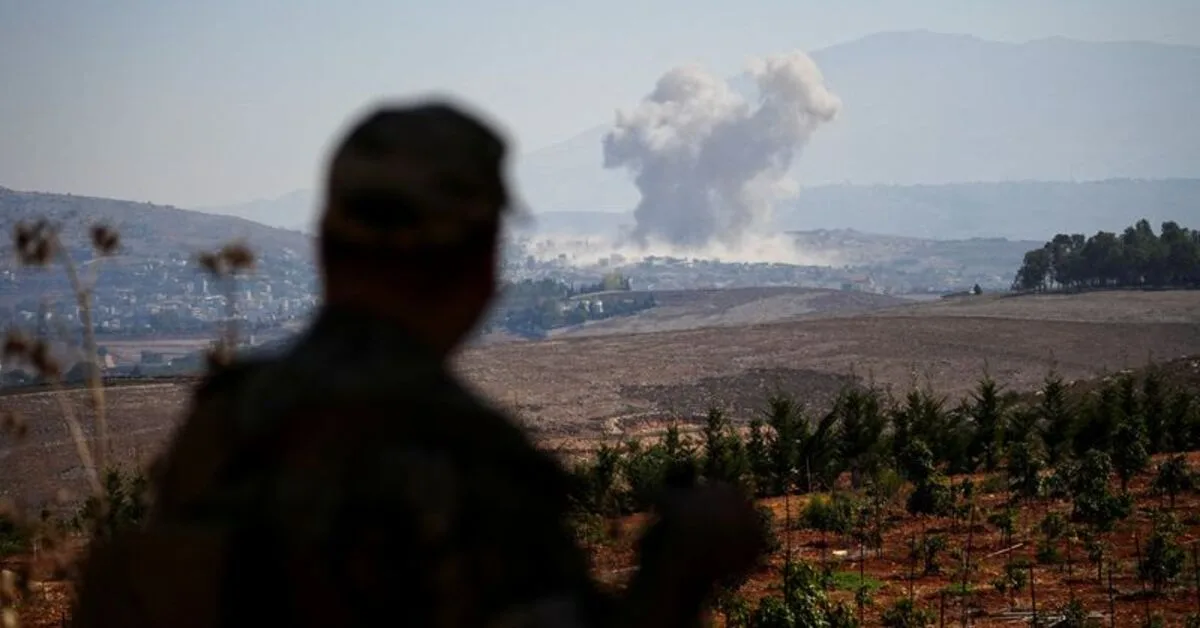
The United States government led by Donald Trump has expressed hope that the war against Iran will soon come to an end, while this conflict, which has reached its seventh month, has intensified with Saudi airstrikes on Yemen and Houthi responses that include launching drones and missiles towards Saudi cities.
Escalation of Conflicts and Global Threats
The rapid advancement of Houthi forces in Yemen and their attacks on Saudi Arabia, along with damage to Saudi east-west oil pipelines, have expanded Tehran's access to the battlefield and increased global risks for oil supply. As this war expands to a new front, the United States has heightened travel warnings to Saudi Arabia and banned government personnel from traveling within 20 miles (30 kilometers) of the Yemen border.
Read more: The Saudi-led coalition warns about an attack on Mecca
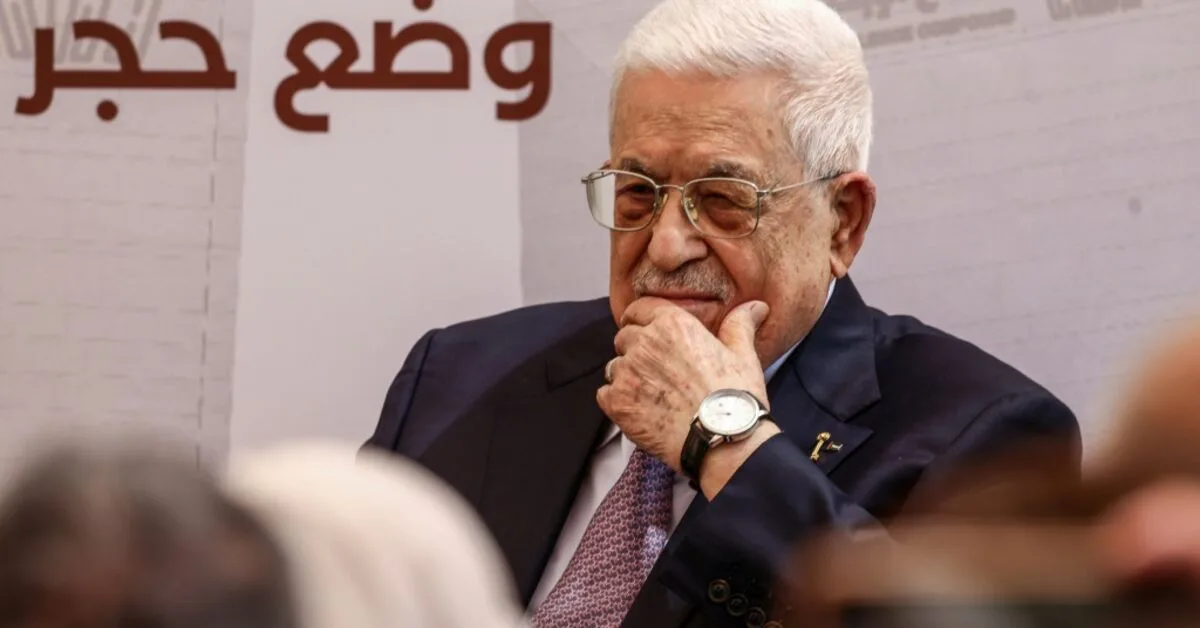
While reports of clashes between the Houthis and Saudi Arabia have emerged, Trump stated at a press conference: "We hope to move towards the end of the war." These remarks come as the President of the United States has referred to direct contacts with Tehran in pursuit of an agreement with Iran.
Economic Consequences of the War
The war, which began on February 28 and includes U.S. and Israeli attacks on Iran and Tehran's reciprocal responses to American and Israeli facilities in Gulf countries, has significantly impacted the global oil market. Rising oil and gas prices have become a major issue for Trump's Republican Party, especially on the eve of the November midterm elections.
Brent crude oil prices reached about $108 per barrel on Wednesday, nearing their highest level since May. Retail diesel fuel prices in the United States also hit a new historical record above $6.30 per gallon. However, oil prices fell in Thursday morning trading as Saudi Arabia proposed additional oil exports through Oman, alleviating concerns about disruptions in oil supply in the Middle East.
Analysts believe that the continuation of the war in Yemen could exacerbate the global energy shortage caused by these conflicts. This war has serious implications for transportation in the Strait of Hormuz, through which about 20 percent of the world's oil and LNG passes before the war began.
Trump also hinted at a possible meeting with leaders of Gulf Cooperation Council countries on the sidelines of the United Nations General Assembly on Tuesday. This meeting will be held to discuss the next steps in this war. Trump is expected to meet with leaders or foreign ministers from Saudi Arabia, the United Arab Emirates, Qatar, Bahrain, Kuwait, and Oman.
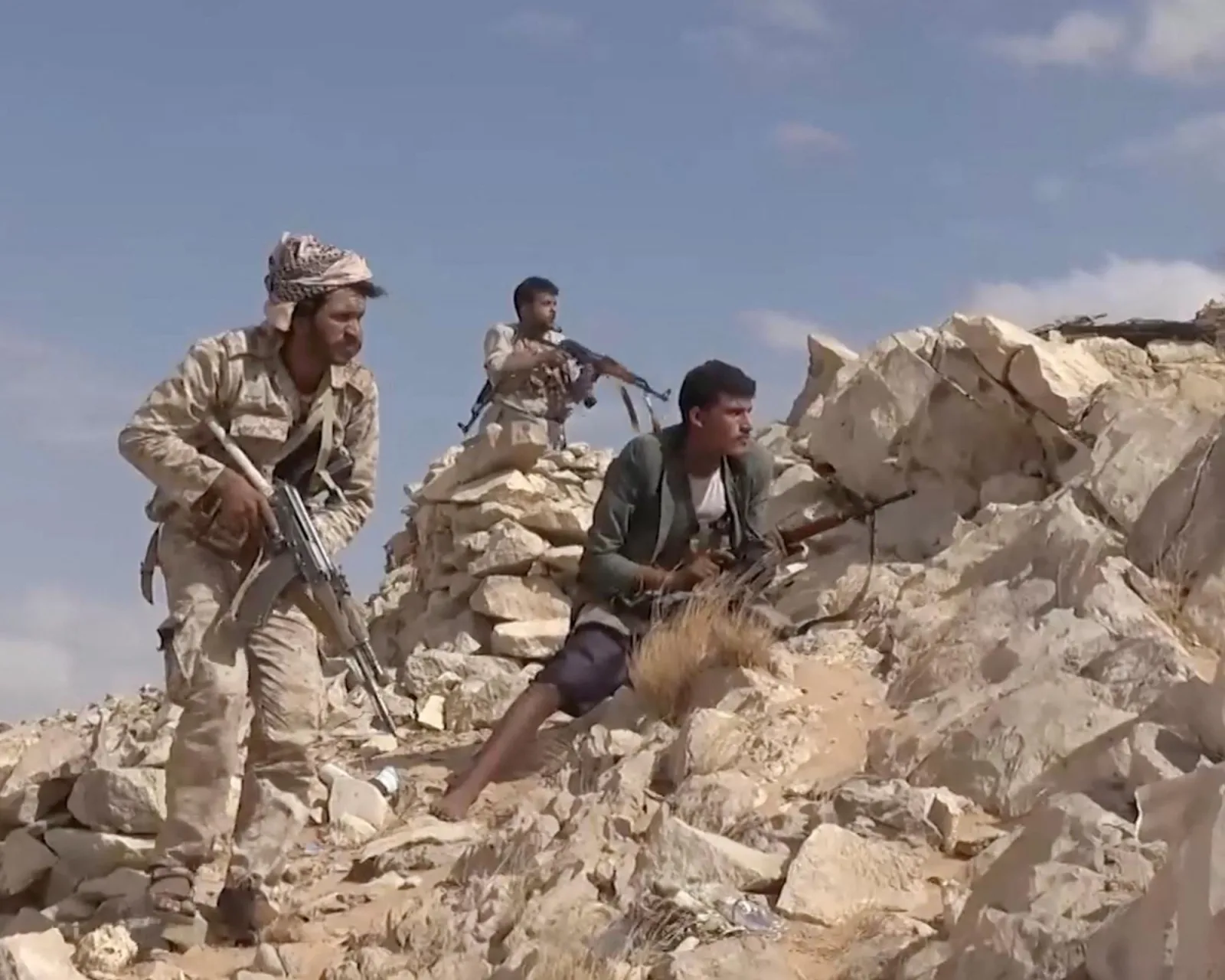
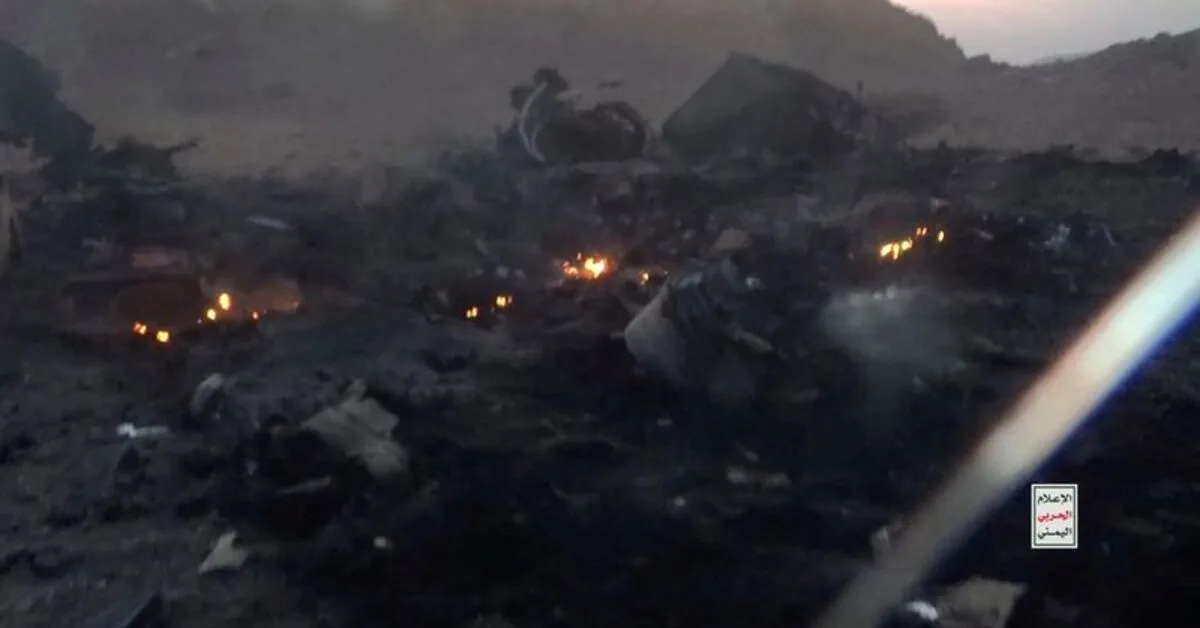
Additionally, the Houthis have released field videos of seizing armored vehicles from Saudi forces and reported new attacks on the Yanbu oil port and Khamis Mushait airbase in Saudi Arabia. This comes as Saudi Arabia has been leading a coalition against the Houthis since 2015, and these conflicts have recently flared up again with the announcement of a naval blockade by the Houthis in July and attacks on southern Saudi regions.
Read more: Abdul-Malik al-Houthi and Military Victories on the Coasts of Yemen · Saudi Arabia attacks Yemen and the Houthis advance in a new front of the war in the Middle East