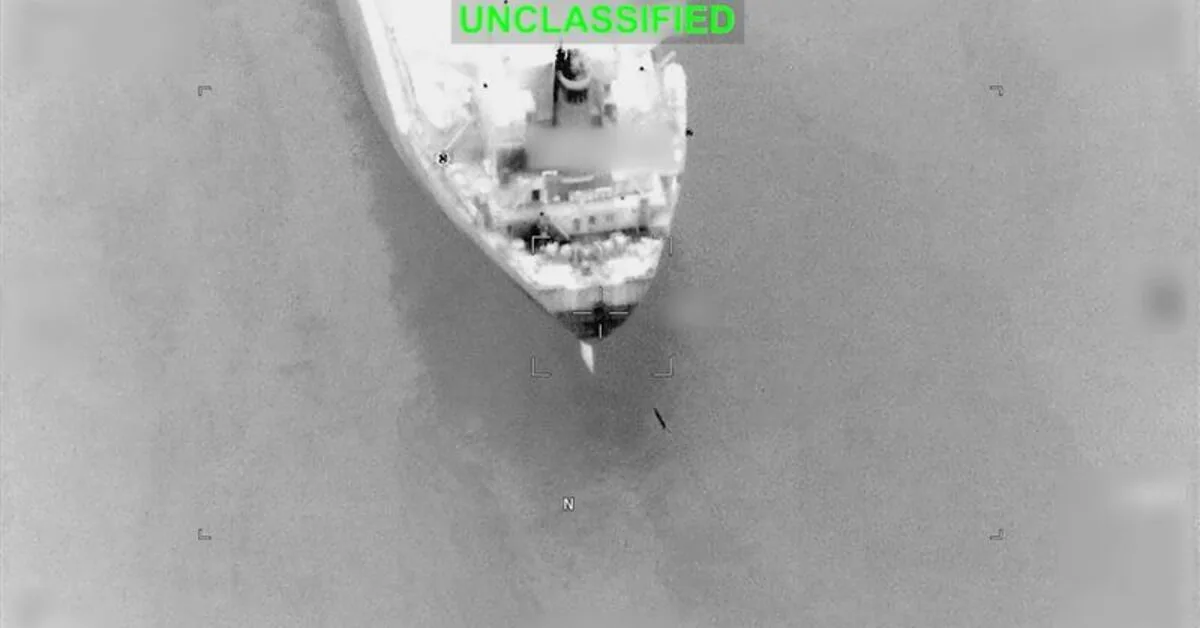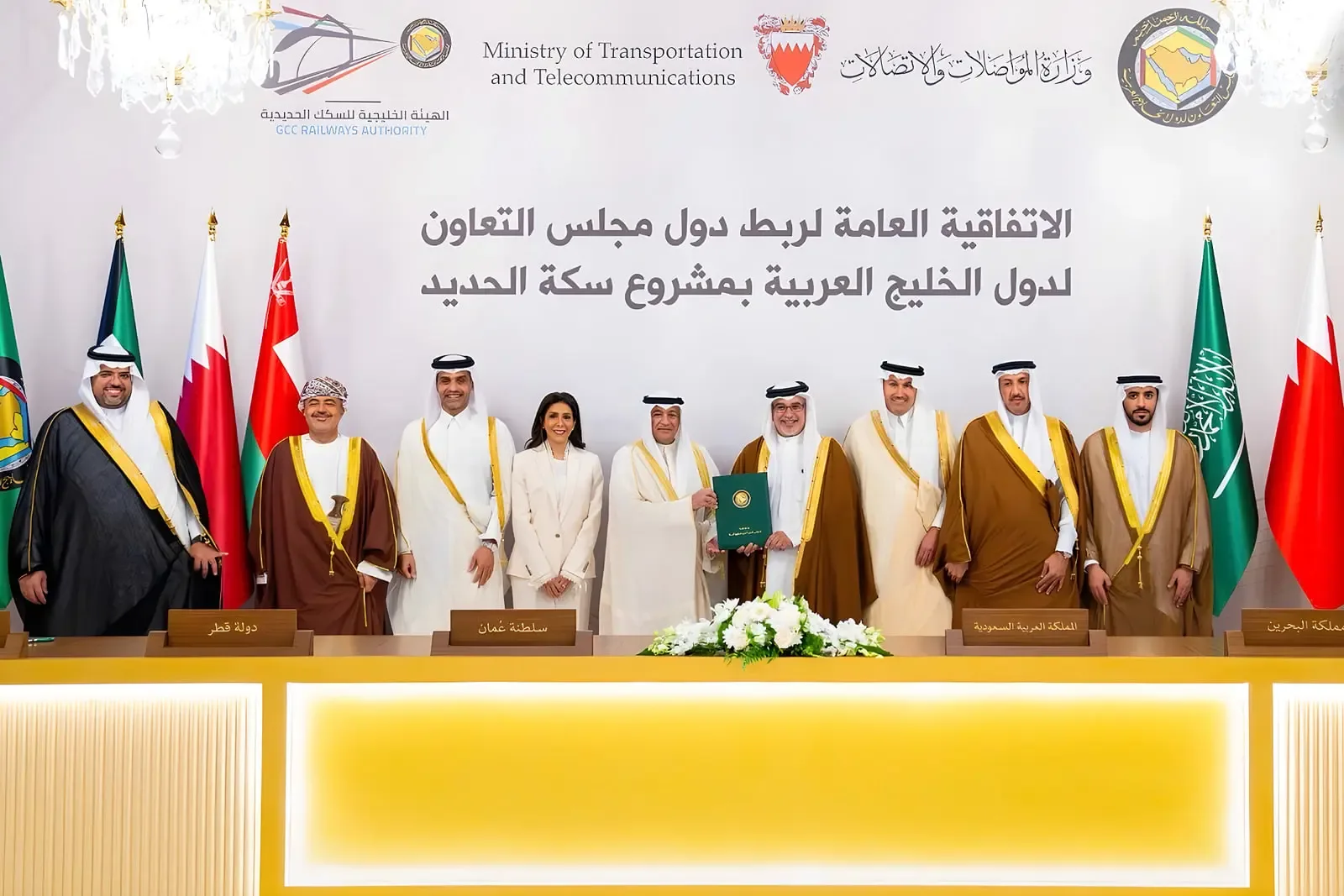
Turki Al-Faisal, the Saudi prince and former diplomat, warned Gulf countries about the hidden challenges emerging from ongoing wars and regional conflicts. This warning is made as political tensions and unrest in the Middle East have significantly increased, and their impacts on the security and stability of the countries in the region are undeniable.
Context of the Warning
Turki Al-Faisal emphasized in his remarks that Gulf countries must pay attention to new threats stemming from the ongoing wars in neighboring countries. According to him, these wars not only affect the internal situation of the involved countries but can also directly impact the security and stability of the Gulf countries. He stressed the need for cooperation among regional countries to address these challenges.
Read more: Iran: Attacks on Tankers in the Gulf Continue
Dimensions of Regional Threats
This warning comes at a time when various regions of the Middle East have become severely unstable due to armed conflicts and political tensions. Internal wars in Yemen and Syria, tensions between Iran and Saudi Arabia, as well as developments in Iraq and Lebanon, are all factors that can influence the security of Gulf countries. Turki Al-Faisal also pointed out that Gulf countries should learn from past experiences and move towards cooperation and diplomacy instead of confrontation.
The Saudi prince emphasized the importance of unity and solidarity among Gulf countries, stating that a lack of cohesion could lead to the emergence of new and more complex crises in the region. He believes that diplomacy and constructive dialogue can help resolve disputes and reduce tensions.
In conclusion, Turki Al-Faisal stressed that Gulf countries must cooperate with each other and work towards creating a common strategy to address the challenges ahead. He added that this strategy should include economic, security, and cultural programs to strengthen stability and security in the region.
Read more: Annual Ceremony of the Royal Guard of Oman Chaired by HH Sayyid Badr · Bomb Threats on European Flights Cause Anxiety