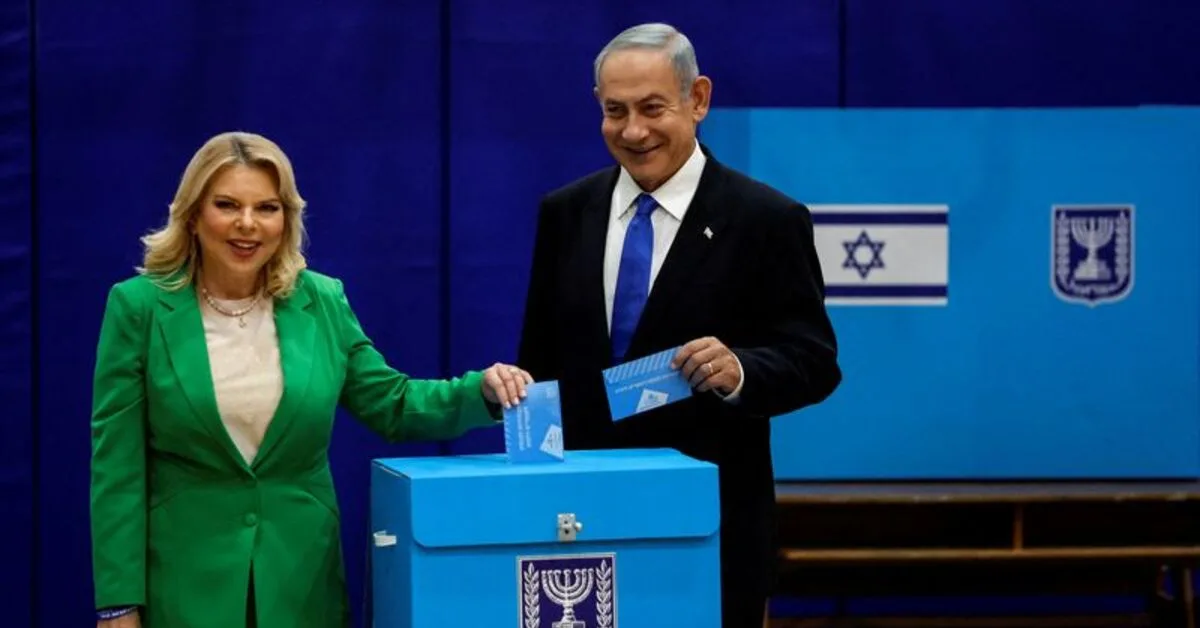
Benjamin Netanyahu, the Prime Minister of Israel, is leveraging the same electoral strategies that have proven successful for him over the years, in an effort to position himself as the only person who can maintain Israel's security in a tense region ahead of the upcoming elections on October 27.
Security Challenges and Upcoming Elections
With four weeks to go until the elections, Netanyahu is working to restore his security credibility, which has been severely damaged by Hamas's sudden attack on southern Israel on October 7, 2023. This attack is considered one of the worst security breaches in Israel's history.
Read more: Human casualties in Nepal have reached 14
The upcoming elections are the first in Israel since this deadly attack, which is recognized as the worst assault on Jews since the Holocaust. Netanyahu's Likud party's official slogan is "Netanyahu does not surrender," but according to polling statistics, the party may lose about a third of its parliamentary seats.
Electoral Tactics and Political Rivals
In speeches and short campaign videos, Netanyahu portrays his political rivals as weak leftists lacking the will to fight against Israel's enemies. But can he present himself as the best option for managing Israel's security and diplomatic issues this time? This is a question raised by Yohanan Plaksren, head of the nonpartisan Israel Democracy Institute.
In recent weeks, Netanyahu has been forced to deny media reports claiming that his partners in the Middle East warned him about the possibility of a Hamas attack, an accusation that his political rivals have exploited.
Netanyahu also delivered a strong defense of Israel's actions in the region in a speech at the United Nations, blaming critics. This speech was heavily shared on his Telegram channel and included several videos and teasers.
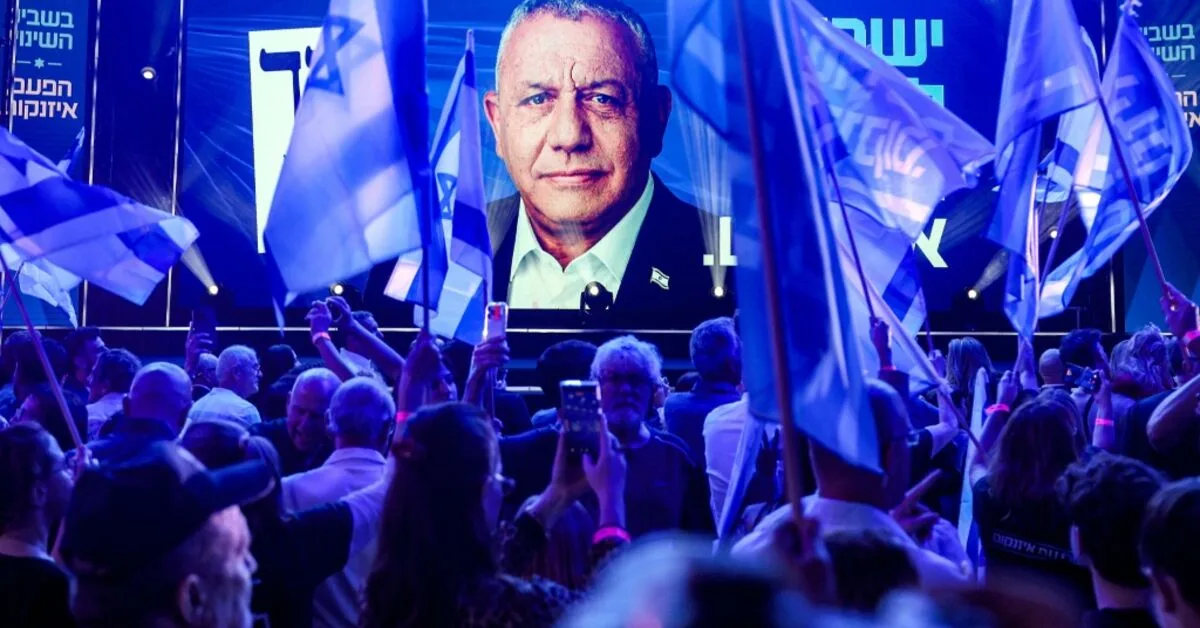
Netanyahu's main rival, Gadi Eisenkot, former military chief and leader of the new Yashar party, is currently facing challenges against Netanyahu's electoral tactics. Eisenkot, whose son was killed while serving in Gaza, is seen as a strong security option.
Read more: UN General Assembly session; defending the rights of the Palestinian people by Asian countries · The United States government rejected Iran's proposal to reopen the Strait of Hormuz