The United States government under President Donald Trump has rejected Iran's proposal to reopen the Strait of Hormuz and end conflicts in the Middle East. This proposal was made during the United Nations General Assembly in New York, and according to Iranian officials, this plan was conveyed to the Americans through mediation by Qatar.
Trump's Response to Iran's Proposal
The Trump administration, in announcing the rejection of this proposal, stated that Iran is seeking an agreement due to economic problems and international pressures. Trump said at a press conference at the White House: "I reject their proposal. They want an agreement to reopen the Strait of Hormuz because they are losing badly. We are achieving tremendous victories."
Read more: New Developments in Iran-Bahrain Relations
He added: "They are looking for an agreement, and I have no problem with that, but what they want is to reopen the Strait of Hormuz quickly because they have no income from this strait."
Economic and Diplomatic Consequences
The United States has imposed an economic blockade on Iran to exert pressure, and this blockade has severely affected the flow of transportation in the Strait of Hormuz. Trump also emphasized that the United States has control over this vital waterway.
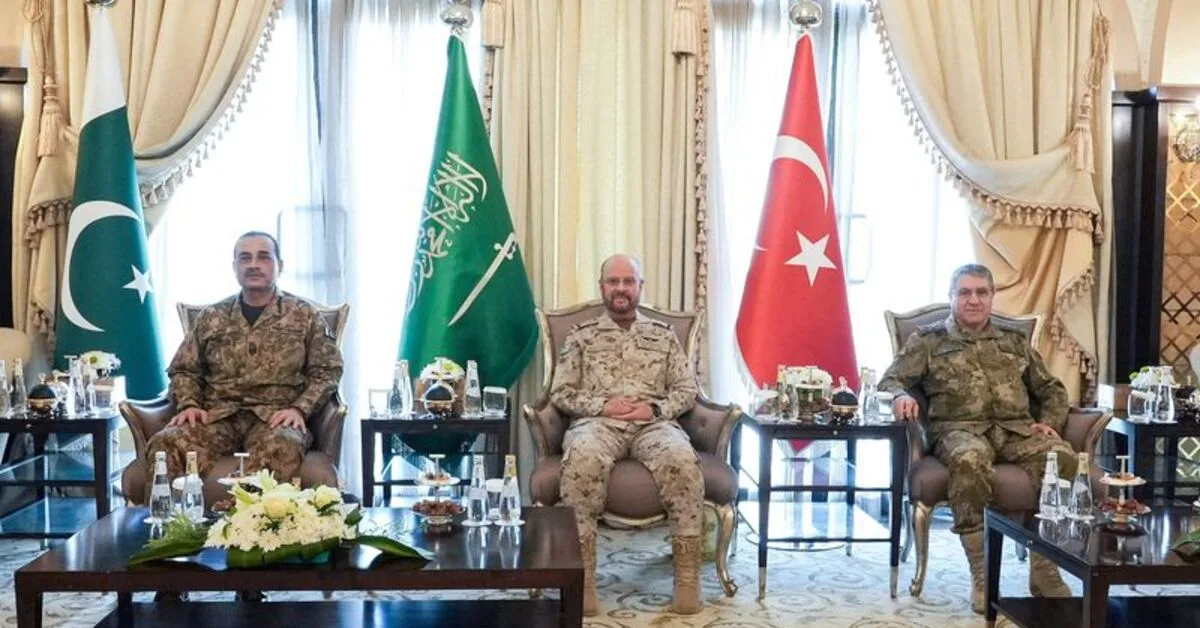
Iranian officials have recently engaged in discussions with their Saudi rivals regarding the Strait of Hormuz, reflecting the significance and sensitivity of this issue in the seven-month conflict that has severely impacted oil exports and harmed the global economy.
Abbas Araghchi, Iran's Foreign Minister, announced at a press conference at the United Nations that this agreement could entail a seven-day countdown for reopening the Strait of Hormuz and halting regional conflicts. He said: "If the United States is serious and reaches an agreement, everything is ready."
Previous diplomatic efforts to end this war, which began on February 28 with attacks from the United States and Israel, have failed. This war has resulted in thousands of deaths and has severely damaged Iranian military forces.
Iran and its allies have responded to the escalation of conflicts in the region. Iran has attacked U.S. interests in the Gulf using drones and missiles, and its Houthi allies in Yemen have also targeted Saudi interests.
Read more: Trump Administration Released a Map of the Gulf Without Qatar and Bahrain · Saudi Arabia and the Challenges of Oil Transfer Networks in the Strait of Hormuz